

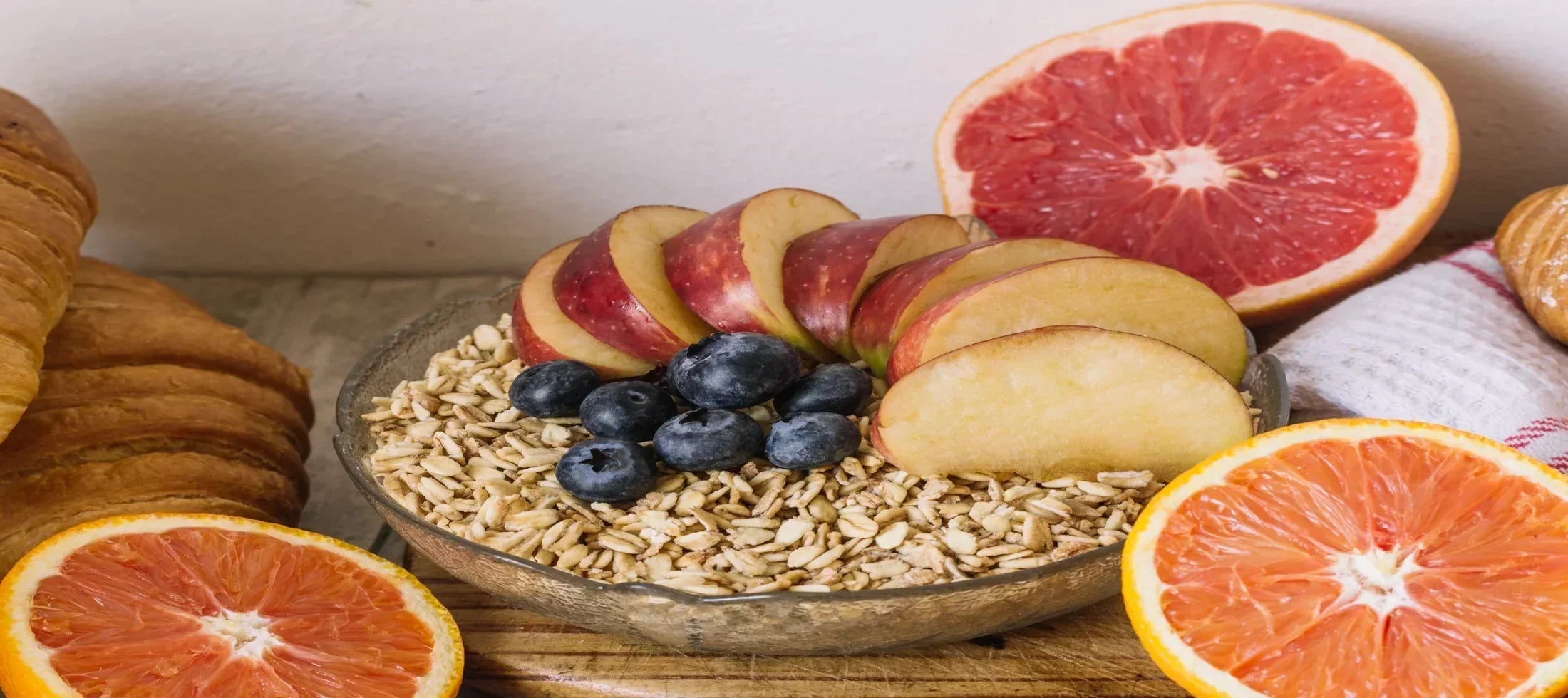
Many people think of meat, dairy, or legumes for protein, but fruit can also contribute to daily protein intake. While most fruits are not high-protein like meat, several fruits contain more protein than you might expect. These high-protein fruits not only provide a natural protein boost but also deliver fiber, vitamins, and antioxidants, making them a smart addition to a balanced diet.
From guava and avocado to berries and dried fruits, some options stand out as high-protein fruits for weight loss. Let’s explore which fruits can help naturally boost your protein.
Does Fruit Have Protein?
Yes, fruit does have protein; just usually not as much as meat or beans. Most fruits contain small but meaningful amounts of protein along with fiber, vitamins, and antioxidants. Fruits are a healthful choice because their protein comes with other nutrients.
According to nutrition experts, fruits like guava and avocado are healthy protein sources despite being plants. They emphasize that while “you can’t get all of your daily protein from fruit,” you can add high-protein fruits to your diet to help meet requirements.
For example, one cup of guava has about 4 grams of protein, more than a similar portion of many other fruits. In comparison, a medium banana has about 1 gram of protein. So, fruit isn’t protein-dense overall, but certain fruits do contain a noticeable amount, making them a valuable addition to a balanced diet.
Fruits are also inherently low in fat and calories, and rich in fiber, so even a small protein boost from fruit comes with health benefits. For instance, berries (raspberries, blackberries) and guava contribute protein while giving antioxidants and fiber.
The key point: all fruits have at least a little protein, but some have much more. Next, we’ll list the fruits that stand out as fruits high in protein.
SEE ALSO: Protein FAQs
What fruits have protein? (High-Protein Fruit List)
Here are some of the best high-protein fruits you can include in your diet, with their approximate protein content per 100g:
-
Guava: One of the top protein-containing fruits. Guavas have about 2.55g of protein per 100g (around 4g per cup). This makes guava one of the fruits with the most protein. It’s also high in fiber and vitamin C. Guava protein content is higher than many might expect, making it a standout high-protein fruit.
-
Avocado: Often thought of as a healthy fat, avocado is also relatively high in protein. It contains about 2.0g of protein per 100g (roughly 4–5g per medium avocado). Avocados are one of the highest-protein fruits you can eat, plus they provide fiber and potassium. Adding avocado to a salad or smoothie is a great way to boost both protein and healthy fats.
-
Jackfruit: This tropical fruit contains about 1.72g of protein per 100g. Many health enthusiasts use jackfruit as a meat substitute. It’s not the highest protein fruit, but for a fruit, it’s very protein-rich.
-
Passionfruit: With roughly 2.2g per 100g, passionfruit is another fruit with above-average protein. It’s also loaded with fiber and antioxidants, making it nutrient-dense for weight loss and digestion.
-
Blackberries and Raspberries: Berries may not seem protein-packed, but they have more than you’d think. Blackberries contain about 1.39g and raspberries 1.2g per 100g. In addition to protein, berries are rich in fiber and micronutrients. If you need a healthy snack, a cup of berries is a “protein-rich fruits choice.
-
Apricots (Dried): Fresh apricots have moderate protein (~1.4g per 100g), but dried apricots are even more concentrated. Similarly, raisins and other dried fruits (dates, prunes) have around 3g per cup. These dried fruits are fruits with protein that you can add to yogurt or oatmeal.
-
Kiwi: Kiwifruit has about 1.14g of protein per 100g. They are also vitamin C powerhouses. Kiwi might not be at the top of the list, but it’s a fruit with protein worth noting if you enjoy this tangy treat.
-
Bananas: People often ask, “How much protein in a banana?” Banana protein is low, about 1.09g per 100g, but since bananas are often eaten in larger quantities, they contribute a bit. A medium banana (~118g) has roughly 1.3g of protein. Bananas are not the top protein source, but they make a convenient fruit with protein plus carbs for energy.
-
Prunes, Dates, and Figs: These are fruits that have protein when dried. For example, prunes have about 2.2g per 100g, and dates have 1.8g. They are carb-heavy but do offer fiber and some protein.
-
Grapefruit and Oranges: Citrus fruits like oranges (1.3g/100g) and grapefruit (0.7g/100g) have modest protein. Oranges are 15.5g of carbs per 100g and 1.3g of protein. They’re not the highest, but still count toward “fruit protein” intake.
-
Apples: Apples have only ~0.27g per 100g, so they are lower in protein. They are not high-protein, but we mention them since people commonly ask, “Which fruits have protein?” Apples are better known for fiber.
Fruits rich in protein are usually those with dense flesh or dried. Guava and avocado top the list for commonly eaten fruits, while others like jackfruit, passionfruit, and berries also contribute. Even though fruit doesn’t match beans or meat in protein, these “protein in fruits” sources can help you reach your protein goals in a plant-forward way.
SEE ALSO: Nature's Jewels: The Essence of Dry Fruits
Which Fruit Is High In Protein?
If you’re wondering “Which fruit has the most protein?”, it really comes down to how you choose to define it. Botanically, tamarind has about 2.8g per 100g (the highest of all fruits), but it’s rarely eaten raw as a fruit snack. Among familiar fruits, guava is often considered the king of protein. It has more protein per serving than almost any other common fruit. Avocado comes close behind.
In a practical diet sense, guava, avocado, and jackfruit could be called the “highest protein fruit” choices. For example, a single cup of guava (about the size of a grapefruit) packs around 4 grams of protein, which is impressive for a fruit. Avocado’s creamy texture also delivers about 4g per fruit. So, if you are looking for fruit with the most protein, start with those.
Keep in mind, though, that fruit protein always comes with lots of fiber and other nutrients, which is great for health. It just means you’d have to eat a lot of fruit to get a full protein meal’s worth. But in combination with other protein sources, these fruits make your diet more varied.
Why Jacked Nutrition?
At Jacked Nutrition, our mission is simple: to help you fuel smarter, train harder, and live healthier. We’re not just another supplement store; we’re Pakistan’s trusted source for authentic, science-backed nutrition.
-
100% Authentic Products – Every supplement is DRAP-approved, GMP-certified, and sourced directly from trusted global brands. No fakes, no compromises.
-
Expert Nutrition Guidance – From blogs to personalized meal plans, we combine science with practicality to make healthy eating achievable.
-
Balanced Approach – We emphasize whole foods first (like high-protein fruits, lean proteins, and nutrient-dense veggies), complemented by supplements where needed.
At Jacked Nutrition, we believe results come from consistency, knowledge, and the right fuel. Whether it’s learning about protein-rich fruits, choosing the right supplement, or following a meal plan, we’re here to guide you every step of the way.
FAQs
How much protein does a banana have?
A medium banana (~118g) contains about 1.29 grams of protein. Bananas are mostly carbohydrates (27g per banana), but they do contribute a bit of protein with virtually no fat (0.39g). So, if a banana is your snack, you’ll get about a gram of protein along with lots of potassium and fiber.
How to get 100 grams of protein a day?
Fruits alone won’t get you there, but they can help. To reach 100g, include high-protein fruits like guava and avocado (4g each), plus other plant proteins (beans, tofu) and lean meats or dairy. For example, 2 medium avocados (~8g), 1 cup guava (4g), plus eggs, chicken, or protein shakes. Balance is key: combine fruits, vegetables, grains, and especially legumes or animal sources to hit that target without overeating.
Which fruit is the king of protein?
Guava often wears the crown for the highest protein content among common fruits. It outperforms bananas, apples, and many others by offering about 4g of protein per cup. Avocado is a close runner-up with around 4g per fruit. These are the fruits richest in protein for fueling muscles and recovery.
Is apple high in protein?
No. Apples contain very little protein; about 0.3 grams per 100 grams (or about half a gram for a medium apple). They are mostly carbohydrates (sugars and fiber) and very low in fat. If you need protein, eat other fruits or include protein-rich toppings (like nut butter) with your apple.
Share:
Can You Build Muscle in a Calorie Deficit?
Is Whey Isolate Better Than Whey Concentrate for Muscle Growth?