

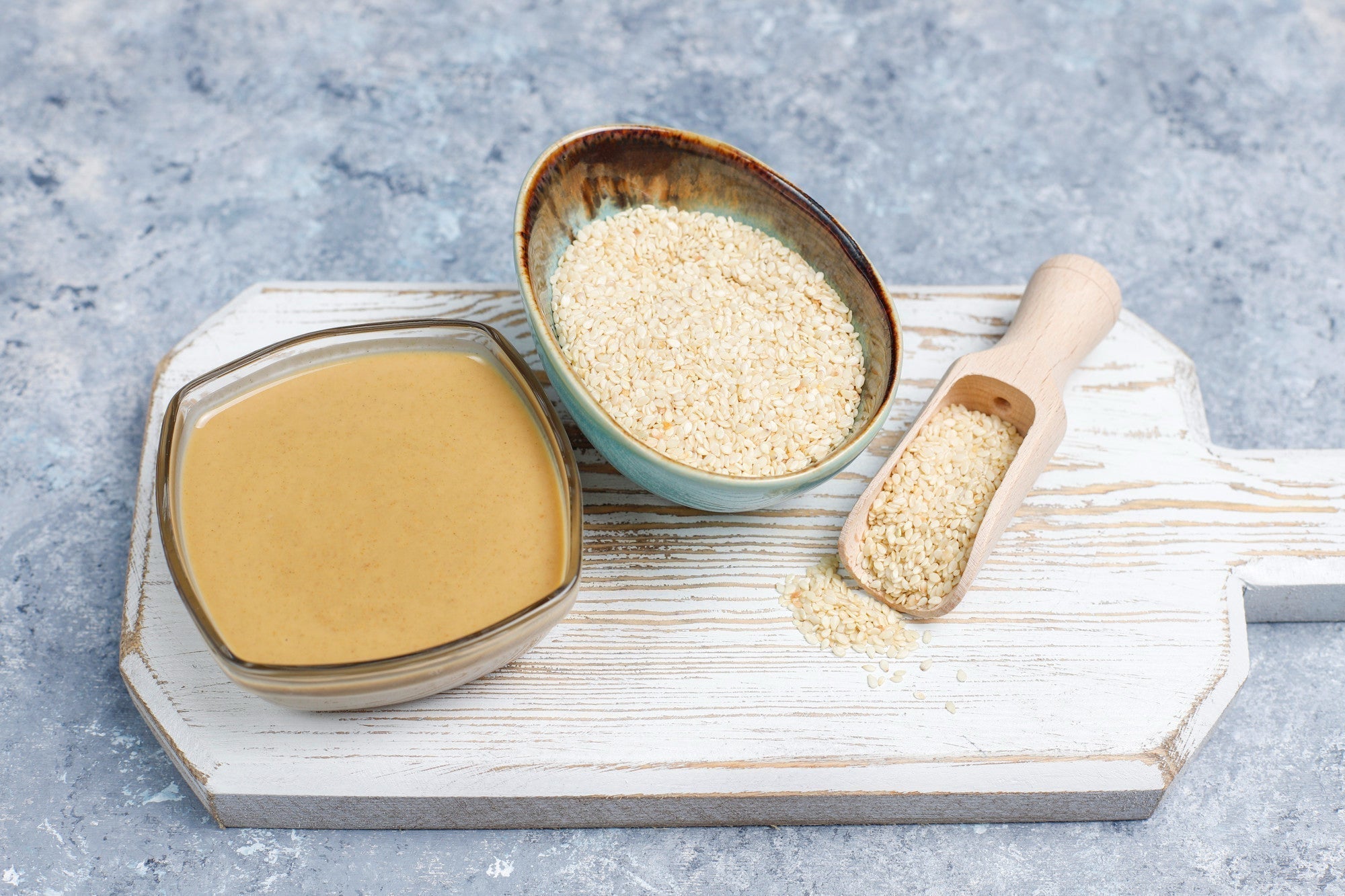
In recent years, plant-based protein has surged in popularity among athletes and fitness enthusiasts. People are increasingly choosing plant-based protein foods, like legumes, nuts, seeds, and whole grains, over animal sources for their shakes and meals. One big reason is evidence: studies show that plant-based protein powders can support muscle growth and recovery just as effectively as whey, as long as they provide enough total protein and amino acids.
Even in Pakistan, the sports nutrition scene is embracing this shift. For example, Jacked Nutrition recently introduced a locally made Brown Rice Protein made from non-GMO brown rice and certified 100% vegan, lactose-free, gluten-free, and soy-free. This shows that protein supplements in Pakistan are no longer limited to whey: plant-based options are now widely available.
Why Plant-Based Protein is Gaining Popularity
The move toward plant-based proteins is driven by multiple factors:
-
Health and heart benefits: Substituting plant proteins for animal proteins can significantly improve cardiovascular markers. Plant foods tend to be higher in fiber, antioxidants, vitamins, and minerals (like iron and magnesium), which further support heart health and overall wellness. Many people find plant-based protein sources less inflammatory and easier to digest, too.
-
Sustainability and ethics: Growing and processing plant proteins generally use far less natural resources than raising meat. Plant proteins use only a fraction of the land and water of meat and generate far fewer greenhouse gases. A plant-based protein diet also avoids ethical concerns about animal welfare. These environmental and ethical factors motivate many athletes and younger consumers.
-
Dietary preferences and food sensitivities: Plant proteins are a safe option for people with lactose intolerance, dairy allergies, or those who follow vegetarian/vegan diets. Organic plant-based protein powder contains no dairy or lactose, making it ideal for anyone avoiding animal milk.
Comparing Plant-Based Protein vs. Animal Protein
When it comes to whey protein vs plant-based protein, there are pros and cons to each, but the differences are often smaller than people think. Here are key comparisons:
|
Category |
Animal Protein (Whey) |
Plant-Based Protein |
|
Protein Quality & Amino Acids |
Complete protein with all 9 essential amino acids. High in BCAAs (leucine, isoleucine, valine) for muscle growth. Often considered the “gold standard” for muscle building. |
Most single sources are incomplete (missing one or more amino acids). Soy is a complete plant protein. Blended sources (e.g., pea + rice) usually provide all essential amino acids. |
|
Digestion & Allergens |
Contains lactose, which can cause digestive issues for some (bloating, gas, discomfort). |
Naturally dairy-free and lactose-free, making it easier for many to digest. Some plant proteins (soy, wheat) may cause allergies or mild digestive issues. |
|
Nutritional Extras |
Very high bioavailability and leucine content. Typically low in fiber, fats, and micronutrients. |
Often includes fiber, healthy fats, vitamins, minerals, and antioxidants. Supports gut health and satiety in addition to protein. |
|
Diet Compatibility |
Not suitable for vegans. Fits most omnivore and vegetarian diets (if dairy is allowed). May be avoided by lactose-intolerant individuals. |
100% vegan-friendly. Works well for vegetarian, vegan, paleo, and keto diets (depending on carb content). |
Common Sources of Plant-Based Protein
Pea Protein:
It is derived from yellow split peas and is highly digestible and naturally hypoallergenic. It contains all nine essential amino acids, though it’s a bit low in methionine. Pea protein is especially rich in branched-chain amino acids (leucine, isoleucine, valine), which promote muscle repair and growth. It’s often used in powders because it mixes well and has a neutral taste.
Soy Protein:
Soy is one of the few plant proteins considered a complete protein. Soy protein isolates (made from soybeans) provide about 90% protein by weight, with a good balance of amino acids. Soy also contains compounds called phytoestrogens and is rich in glutamine. Many athletes have used soy protein for strength and recovery. Some people prefer to rotate away from soy occasionally, but it remains a high-quality plant option.
Hemp Protein:
Hemp seeds are a protein source with a unique profile. Hemp protein powder contains all essential amino acids, though it’s relatively low in lysine. It also packs healthy omega-3 fats and fiber. The protein content (about 50% by weight) is lower than pea or soy, but hemp’s fats and fiber can help digestion and add calories. Hemp protein has a distinctive earthy flavor.
Brown Rice Protein:
This protein is hypoallergenic and easy on digestion. Brown rice protein has a moderate amino acid profile (it’s low in lysine) but blends well with other sources. It’s typically mixed with pea protein to cover all amino acids. In Pakistan, Jacked Nutrition’s new Brown Rice Protein is an example: it’s made from non-GMO brown rice and is marketed as 100% vegan and gluten-free.
SEE ALSO: Jacked Brown Rice Protein: Pakistan’s Affordable Plant-Powered Protein with Added Lysine
Addressing Common Myths and Misconceptions
Despite the clear plant-based protein benefits, some myths still surround plant protein. Let’s set the record straight:
|
Myth |
Reality |
|
“Plant protein can’t build muscle like whey.” |
Plant proteins build muscle as effectively as whey when protein and leucine needs are met. |
|
“Plant proteins are incomplete; you’d have to eat meat for all amino acids.” |
Variety solves this — blends like pea + rice or soy alone provide all essential amino acids. |
|
“Vegetarians/vegans can’t get enough protein.” |
With proper planning, vegans easily meet protein needs; many elite athletes thrive on plant diets. |
|
“Plant protein powders are always lower quality.” |
Modern plant powders offer 20–30g of protein per scoop, often fortified and comparable to whey. |
Key Benefits of Plant-Based Protein for Athletes
Supports Muscle Growth and Recovery:
Like whey, plant protein supplements provide the essential amino acids needed for muscle repair. They supply leucine and other branched-chain amino acids, which stimulate muscle protein synthesis. Whether post-workout or throughout the day, plant-based protein shakes can effectively aid strength development.
Weight Management and Satiety:
High-protein plant foods and powders keep you feeling full. Additionally, plants bring fiber and phytonutrients. Many athletes find they manage their weight more easily on a diet rich in legumes, vegetables, and whole grains, all of which are rich in protein and fiber.
SEE ALSO: Diet Plan for Weight Loss
Digestive Comfort and Nutrients:
Many plant protein powders contain beneficial fiber (from peas, rice, beans, etc.), which supports gut health. Unlike whey concentrate, plant proteins contain no lactose, which avoids bloating in lactose-intolerant individuals. Also, plant sources bring vitamins, minerals (like magnesium, potassium), and antioxidants that aid recovery.
The benefits of protein supplements apply to plant proteins just as much as whey. Plus, plant sources add extra nutrients and fiber that contribute to overall health and performance.
The Role of Plant-Based Protein in Professional Sports
Plant-based diets and proteins have made significant inroads at the professional level. High-profile athletes across sports have credited plant nutrition for their success. For example, champions like Venus Williams (tennis), Lewis Hamilton (F1), and the NFL’s Derrick Morgan have gone meat-free to optimize performance. Plant-based diets improve athletes’ heart health, endurance, and recovery, noting that plant foods enhance blood flow and oxygen delivery to muscles.
From a sports science standpoint, studies of professional and semi-pro athletes confirm that plant protein works. Players showed that supplementing with either a mixed plant-protein blend or whey led to no differences in strength, power, or aerobic fitness.
Many sports nutritionists now encourage variety. Teams often incorporate plant-protein shakes post-practice or include tofu, tempeh, beans, and lentils in meal plans. Some professional players mix pea and rice protein after workouts to get a “complete” amino acid profile. The growing market, including vegan plant-based protein products like certified brown rice powder, is making it easier than ever for athletes to choose plant options without compromise.
In short, plant protein is already a proven option at the highest levels of sport. Whether for recovery shakes, meal supplements, or whole-food meals, plant proteins have earned their place in locker rooms and training tables around the world.
Conclusion
The world of sports nutrition is changing. Plant-based protein is now mainstream, offering athletes a versatile, healthful, and ethical alternative to animal proteins. Research-backed evidence shows that plant protein powders can match whey in fueling muscle growth and recovery, while also delivering additional heart-health and sustainability benefits.
For fitness enthusiasts and athletes in Pakistan and beyond, this means you can choose plant proteins and still hit your goals. So next time you plan your meals or supplements, remember: plant proteins are not second-best. They are a first-class fuel for strength, endurance, and wellness.
FAQs
Is plant-based protein as effective as whey protein for muscle building?
A: Yes. When matched for total protein and amino acid content, plant protein powders can support muscle growth just as effectively as whey. There is no significant difference in muscle gains or strength improvements between athletes taking whey versus mixed plant-protein supplements.
Can plant-based protein help with muscle recovery after workouts?
A: Absolutely. Plant proteins provide the essential amino acids needed for repair. Many plant proteins (especially pea and soy) are rich in leucine and other branched-chain amino acids that reduce muscle soreness and speed recovery.
Does plant-based protein provide all essential amino acids?
A: It can. Some plant proteins, like soy, are complete on their own (all nine essential amino acids are present). Other sources (pea, rice, hemp, etc.) may be low in one or two amino acids. The solution is variety or combination: for example, mixing pea and rice protein in one shake ensures a complete profile.
Can plant-based protein support weight loss and performance goals?
A: Yes, to both. High-protein plant foods are very filling, which helps control appetite and calories. Protein powders promote fullness and help preserve lean muscle during weight loss. Plant-based diets tend to be rich in carbohydrates (fuel for endurance) and antioxidants (for faster recovery). Many endurance athletes find that a plant-based diet helps their stamina.
How do professional athletes use plant-based protein in their diets?
Some drink plant-protein shakes (pea/rice blends, soy isolate, or hemp) right after training, just as they would whey. Others include tofu, tempeh, legumes, and vegan protein bars as part of balanced meals. Nutritionists often recommend mixing different plant sources to make sure the amino acid profile is optimal.
Share:
Breaking the Myths Around Supplements for Women
Can You Build Muscle in a Calorie Deficit?