

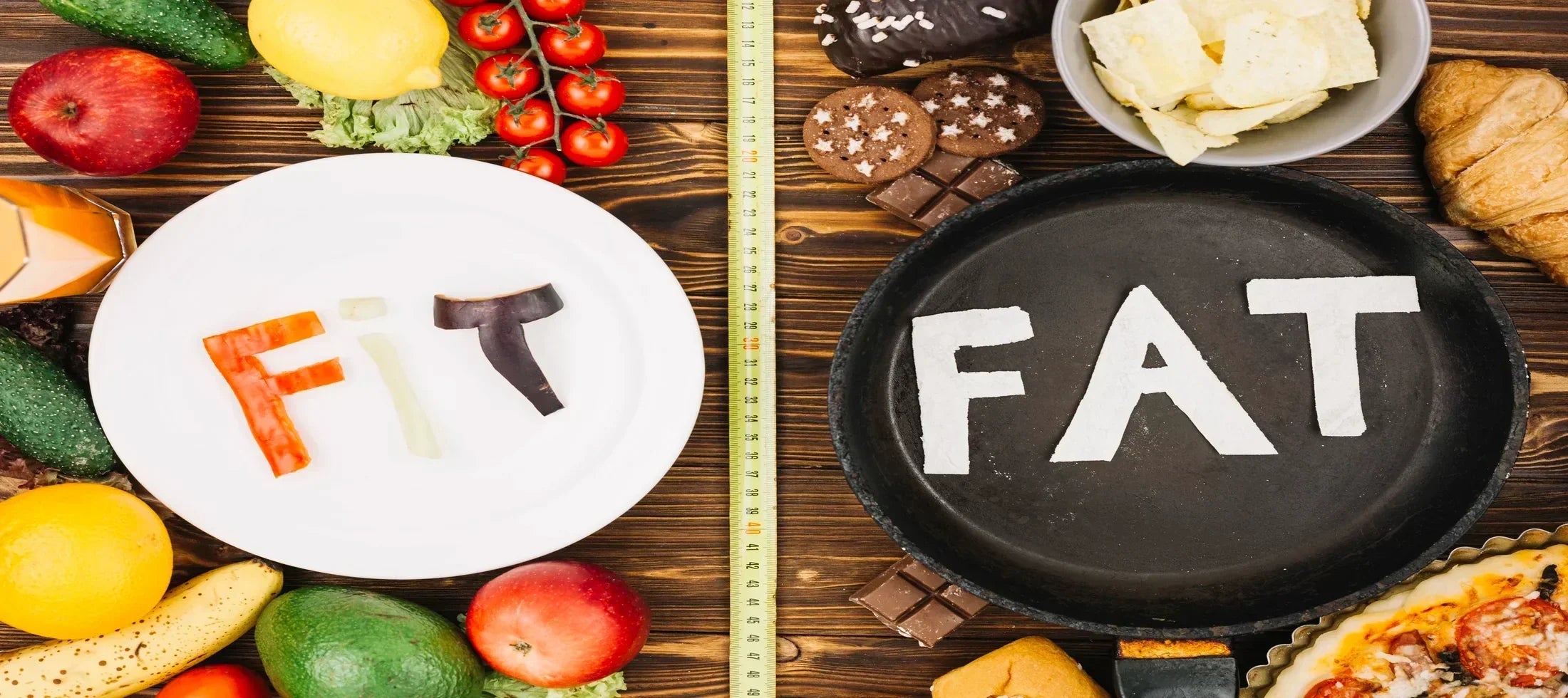
The idea that all carbs are bad is outdated. In fact, many carbohydrate-rich foods provide vital nutrients while being very low in fat. Eating the right carbs is key to a balanced diet and can even support weight management and performance. In this blog, we’ll focus on high-carb, low-fat foods; healthy choices that give you energy and fiber with minimal fat content.
Let’s debunk the carbs myth and learn which options can healthily fuel your body.
What Are High-Carb, Low-Fat Foods?
High-carb, low-fat foods are those where the majority of calories come from carbohydrates and very little from fat. These include:
-
Whole Grains and Cereals: Foods like brown rice, oats, quinoa, whole wheat bread, barley, and whole-grain pasta. These are among the most carb-dense foods, providing energy and fiber without much fat.
-
Starchy Vegetables: Potatoes, sweet potatoes, corn, peas, and squash are all high-carb vegetables. These high-carb vegetables give energy and satiety and fit the low-fat profile.
-
Legumes: Beans, lentils, chickpeas, and peas are high in carbs and protein, but naturally very low in fat. (They do contain a small amount of fat, but it’s minimal compared to their carbs.) Legumes are good high-carb foods because they combine carbs with fiber and protein.
-
Fruits: Many fruits are high in carbohydrates but contain almost no fat. Bananas, mangoes, apples, oranges, grapes; these high-carb fruits provide natural sugars and fiber.
-
Vegetables and Salad: Aside from starchy types, most veggies (carrots, beets, peppers, tomatoes) contain carbs but negligible fat. Leafy greens have very few carbs, but still, the carbs are all complex with virtually no fat. These high-carb, low-calorie foods can fill your plate and stomach without adding fat.
-
Snacks and Miscellany: Certain snacks qualify, too. Air-popped popcorn, rice cakes, and many whole-grain crackers are high-carb and very low-fat. A plain rice cake is almost pure starch (carbs) and has no fat. Fruits and veggies mentioned above also serve as healthy carb snacks.
Most high-carb, low-fat foods are whole, minimally processed items: whole grains, fruits, vegetables, and legumes. They provide sustained energy and nutrients.
A quick list of healthy carbs includes brown rice, oats, beans, lentils, potatoes, bananas, and nonfat yogurt. These are all examples of good high-carb foods: nutrient-dense, fiber-rich, and low in fat.
Why Are Carbs Important for a Healthy Diet?
Carbs are the body’s preferred fuel. The brain, red blood cells, and muscles rely heavily on glucose from carbohydrates. Eating enough healthy carbs ensures steady energy and supports physical and mental performance. Importantly, carbohydrates in whole foods come with fiber, vitamins, and minerals.
For instance, whole grains and fruits are packed with B vitamins, antioxidants, and fiber, which can help reduce disease risk. Fiber slows digestion, which keeps blood sugar stable and makes you feel full. Studies show that diets rich in whole carbs are associated with lower cholesterol and better heart health. Athletes also need carbs to replenish glycogen in muscles.
So, while diets low in added sugars and refined carbs are often promoted, complex healthy carbs should not be avoided. Instead of fearing all carbs, choose low-fat, high-fiber carbohydrate sources. These help with weight management because fiber adds bulk with relatively few calories, keeping you satisfied.
SEE ALSO: Low Calorie Meals for Weight Loss
Which High Carb, Low Fat Foods Should You Eat Daily?
To reap carb benefits every day, focus on these staples:
-
Whole grains: Include brown rice, quinoa, oats, and whole wheat bread or pasta in your meals.
-
Legumes daily: Try to eat beans, lentils, or peas each day. Add chickpeas to salads, red beans to soups, or snack on hummus with veggies.
-
Fruits for snacks: Have 1-2 servings of fruit each day.
-
Starchy vegetables: Sweet potatoes, squash, or corn can be your “starch” with meals. These are significantly higher in carbs (and calories), making them great heavy carb foods that stay satiating.
-
Healthy snacks: Instead of chips or candy, snack on whole-grain crackers, popcorn, or even oatmeal. These high-carb snacks keep calories low compared to nut mixes or chips.
-
Hydration with electrolytes: Low-fat sports drinks or coconut water can provide carbs (sugars) when needed in workouts, without added fat.
A balanced daily plan might include: oatmeal + berries (breakfast), a chicken and brown rice bowl with beans (lunch), sweet potato and broccoli with dinner, plus fruits or low-fat yogurt as snacks.
What Are the Best High-Carb Fruits and Vegetables?
High-carb fruits and vegetables are those naturally rich in carbohydrates (sugars or starches) but still nutritious.
-
Bananas: A classic high-carb fruit; about 27g carbs in a medium banana. They have very little fat and also provide potassium. Bananas are great for pre-workout energy or in smoothies.
-
Apples and Pears: Each medium apple or pear has ~25g carbs, mostly from natural sugar and fiber. They’re almost fat-free, and the fiber makes them filling snacks.
-
Citrus Fruits: Oranges and grapefruit are water-rich citrus fruits, have around 11–13g carbs per 100g (e.g., 15.5g/100g in oranges), and are over 90% water. Very low in fat, they deliver vitamin C and fiber.
-
Berries: While not extremely high in carbs, berries like grapes (18g/100g) and blueberries (14.5g/100g) are fairly high compared to leafy greens, and still low in fat. They contain antioxidants, making them good high-carb foods for health.
-
Mangoes: About 15g carbs per 100g. Mangoes are sweet and rich in vitamins. They have minimal fat, making them a tasty, high-carb fruit.
-
Dates and Raisins: Dried fruits are very high in carbohydrates (70+g per 100g) and have almost no fat. They are high-carb fruits in the extreme, giving quick energy.
-
Beets: A root vegetable with about 10g of carbs per 100g. They aren’t extremely high, but they are higher than leafy greens.
-
Sweet Potatoes: Perhaps the best-known high-carb vegetable. One cup (100g) of cooked sweet potato (with skin) contains about 20.7g of carbs.
-
Pumpkin and Squash: Varieties like butternut squash have around 12g of carbs per 100g. They are mostly water and carbohydrates, with very little fat. They also yield vitamin A.
Which high-carb foods to avoid?
Not all carb-rich foods are healthy. Some high-carb foods to avoid include:
-
Sugary drinks and fruit juices: Even though “fruit” is in the name, sodas and juices are essentially pure sugar (carbs) with negligible fiber or nutrients. A 12-ounce soda can have ~40g of sugar and no fiber. These are high-carb but low-nutrient.
-
Candy, cookies, cakes: Most desserts and candies have high amounts of added sugars (carbs) and often fat as well. They’re the opposite of healthy carb snacks.
-
Refined grains: White bread, white rice, sugary cereals, and many snack chips are high in carbs but have been stripped of fiber. They cause rapid blood sugar spikes.
-
Pastries and baked goods: Items like doughnuts, muffins, and croissants combine high carbohydrates with high fat (often saturated fat). They are definitely high-carb, high-fat, so they don’t meet our “low fat” criterion either. Avoid making these a daily habit.
-
High-carb weight gainer foods: Some carb sources labeled for “quick energy” (like dextrose powders or maltodextrin drinks) are very high in carbs but have no other nutrition; they should only be used very selectively by athletes. For most people, they qualify as processed carbs to minimize.
SEE ALSO: Diet Plan for Weight Loss
Why Jacked Nutrition?
At Jacked Nutrition, we believe the right carbs can transform your energy, performance, and overall health.
Our approach is simple:
-
Whole-Food Focus – We guide you toward quality carb sources like brown rice, oats, fruits, beans, and legumes instead of processed, sugary options.
-
Clean Supplements – Our powders and products deliver energy without unnecessary fillers or added fats.
-
Performance-Based Nutrition – We emphasize eating carbs when your body needs them most, like post-workout, to maximize recovery and strength.
-
Balanced Guidance – Whether your goal is weight management, muscle gain, or better daily energy, we provide meal plans, coaching, and supplements tailored to your lifestyle.
FAQs
Which heavy carb foods provide long-lasting fullness?
Foods high in fiber and protein tend to keep you full longer. For example, whole grains like quinoa and oats are very satiating. It is high in fiber and protein. Beans and legumes (like lentils or chickpeas) also fit this heavy carb category; they combine carbs with protein and fiber.
How to choose the best high-carb, low-fat snacks?
Look for minimally processed options with fiber. Good choices include whole fruits (apples, bananas, berries), raw veggies with hummus, air-popped popcorn, rice cakes, or whole-grain crackers. These snacks are high in carbohydrates but low in fat.
What snack has carbs but no fat?
Simple carbs without fat include fruits like bananas, apples, grapes, or snacks like rice cakes and pretzels. These provide quick energy with almost no fat content.
Final Thoughts
High-carb, low-fat foods are not the enemy; they’re a powerful source of energy, fiber, and essential nutrients when you choose the right ones. By focusing on whole grains, fruits, vegetables, and legumes while limiting refined carbs and sugary snacks, you can fuel your body smarter, support your fitness goals, and maintain better overall health.
Share:
How Adaptogens Support Strength and Endurance Training
6 Anti-Aging Supplements that Can Help Boost Energy, Skin Health, and Longevity