

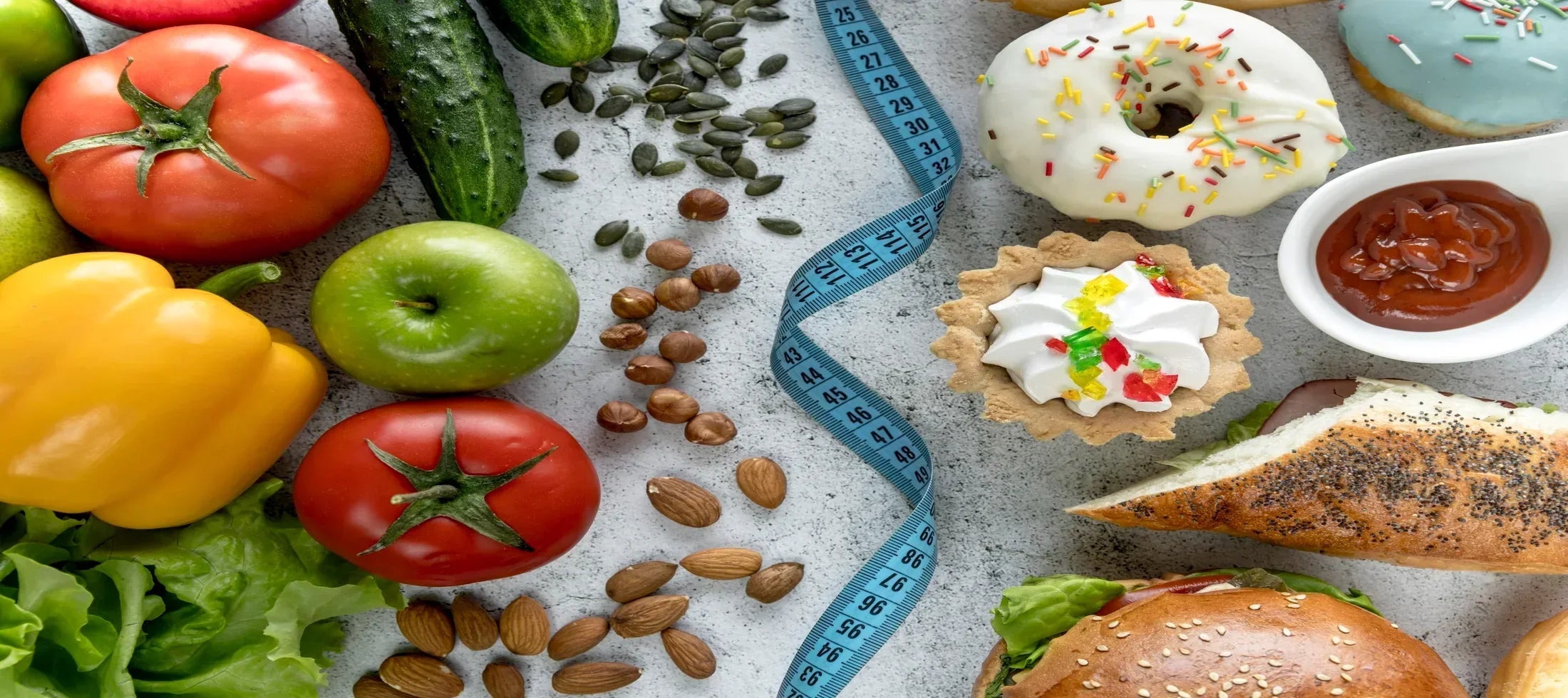
If you’re trying to slim down, focusing on low calorie meals can be a turning point. These meals are prepared around nutrient-dense ingredients so you feel satisfied instead of starved. Low calorie meals can be both satisfying and flavorful, helping you stay full while working toward your weight loss goals.
If you’ve searched for low calorie recipes for weight loss, your search ends here; you have got low calorie meal ideas for breakfast, lunch, dinner, and more. By choosing whole foods like veggies, lean proteins, and whole grains, each plate stretches your calories further (think veggies and lean meat instead of high-fat or sugary foods).
What Are Healthy Low Calorie Meals for Weight Loss?
Low calorie meals for weight loss are simply meals prepared to keep calorie counts low without skimping on flavor or nutrition. In practice, that means filling your plate mostly with veggies, moderate lean protein, and small portions of whole grains.
A standard dietary recommendation is to restrict total daily intake to around 1,200–1,500 calories. That often breaks down to roughly 300–400 calories for breakfast, 300–350 for lunch, and 450–500 for dinner. The idea is to create a calorie deficit (eating fewer calories than you burn) while still feeling full.
Planning these meals can be easy: For example, your weight-loss plan includes ~350-calorie breakfasts, ~325-calorie lunches, and ~475-calorie dinners. By focusing on low calorie foods like vegetables, fruits, beans, and lean meats, you can eat generous portions without overdoing it.
The trick is volume, filling half your plate with salad or steamed veggies, plus protein (chicken, fish, tofu, beans) and a bit of whole grain (brown rice, quinoa, or a small wrap), so that every meal feels satisfying.
SEE ALSO: Diet Plan for Weight Loss
Low Calorie Breakfast Recipes
Start the day with a protein-and-fiber combo. Aim for ~300–400 calories at breakfast. For example, a 2-egg omelet loaded with veggies (tomato, spinach, peppers) plus a slice of whole-grain toast is about 300–400 cal. This is a classic low calorie meal that feels hearty: the eggs and veggies provide protein and fiber, and the toast adds whole-grain carbs without too many calories.
Other easy ideas: A bowl of oatmeal made with low-fat milk and topped with berries or a banana, or a smoothie of frozen berries, half a banana, and low-fat yogurt/milk.
These recipes are all quick to prep, truly easy low calorie meals that keep you going all morning. Making extra oatmeal or chopping veggies the night before (i.e., doing a bit of low calorie meal prep) can save time on busy mornings.
Low Calorie Lunch Recipes
Lunchtime is a perfect chance for a big salad or bowl meal. Aim for ~300–350 calories. A colorful low calorie lunch idea is a chicken salad: toss shredded skinless grilled chicken with lettuce, cucumber, cherry tomatoes, and a squeeze of lime or a teaspoon of olive oil.
Another is a black bean & veggie salad: Mix black beans, bell peppers, onions, and cilantro with lime juice and a drizzle of oil. A light fruit-and-yogurt bowl is also ~300 Cal: use chopped apple, banana, or berries stirred into non-fat plain yogurt. Even a big bowl of vegetable soup with broth and beans can be very filling on a few calories.
In each case, load up on lunch low calorie foods like greens, veggies, and legumes. These choices give you volume (and vitamins) for minimal calories.
Think of more low calorie lunch ideas like veggie wraps with hummus, a lentil salad, or a turkey-and-veggie wrap, all made around whole ingredients to keep you satisfied.
Low Calorie Dinner Recipes
Dinner can be hearty yet diet-friendly, around 450–500 calories, especially when you choose balanced dinner ideas. One satisfying option is a serving of brown rice with protein-rich pulses (lentils, chickpeas, or dal). You can also grill 4 oz of skinless chicken breast with your favorite spices and eat it with a side of steamed or roasted vegetables.
A low calorie dinner idea is chickpea curry (use lots of veggies and a small whole-grain roti) or a piece of baked fish seasoned with herbs. Even a beef stir-fry made with lean beef, a variety of vegetables, and a small scoop of brown rice is doable.
These low calorie dinner recipes prove that tasty dinners don’t have to blow your calorie budget. The key is portion control: fill half your plate with veggies, a quarter with protein (chicken, fish, tofu, lean beef), and a quarter with whole grains or starch. This way, you can eat low calorie dinners that satisfy without going overboard.
What Food Is Filling but Low on Calories?
Not all low-cal foods leave you hungry. The trick is to choose foods high in volume, protein, or fiber. Proteins and fibers are the most filling nutrients, and many vegetables add bulk due to water content.
For example, boiled potatoes, oatmeal, or Greek yogurt can all keep you fuller than their calorie count suggests. In practice, focus on ingredients like broth-based soups, salads, and whole fruits. These provide a lot of chewing or sipping for a few calories.
SEE ALSO: Quantity and Quality of Weight Loss Food Portions
-
Vegetables: Leafy greens and non-starchy veggies (lettuce, kale, broccoli, carrots, zucchini, etc.) are extremely low in calories (often under 50 calories per cup) but high in volume. You can eat a big bowl and hardly dent your daily total.
-
Fruits: Whole fruits like berries, apples, oranges, or watermelon contain fiber and water. A serving (about 1 cup) usually runs 50–100 calories and helps curb hunger.
-
Proteins: Eggs, chicken breast, fish, and beans all contain protein, which boosts satiety hormones in your body. For instance, an egg (70 Cal) or 4 oz of chicken (around 150 Cal) takes longer to digest, keeping you feeling full longer.
-
Whole Grains & Legumes: Foods like oatmeal, quinoa, lentils, and beans have a mix of protein, fiber, and water. They tend to be low calorie filling meals components because they digest slowly. Even a small serving (½ cup) of cooked oats or brown rice gives volume and keeps you going.
By preparing meals around these low calories food options, you end up with satisfying plates that are still diet-friendly. For example, carrot sticks or air-popped popcorn are crunchy low calories food snacks that fill the mouth without a calorie overload. In short, pick ingredients that let you eat more volume; this is how you get low calorie filling meals that don’t leave you starving.
Why Choose Jacked Nutrition?
Jacked Nutrition stands out for anyone on a weight loss journey. Their mission is to empower your health and fitness with evidence-based organic supplements and nutrition advice. Each Jacked product is formulated by certified nutritionists and sports scientists, so you know it’s based on real science.
-
Organic, Science-Backed Formulas: Every formula uses quality, organic ingredients and is based on the latest nutrition research.
-
Community & Support: Beyond products, Jacked offers a community of trainers and dietitians to guide you. They know fitness isn’t one-size-fits-all, so they help you find what works.
-
Quality Assurance: Jacked’s supplements are 100% authentic. They’re GMP-certified and DRAP-registered, so you get safe, original products.
FAQs
What is the best low calorie meal?
There’s no single “best” meal for everyone, but the top ones balance protein, fiber, and bulk. For example, a vegetable omelet with some whole-grain toast (~350 calories) is often recommended. In general, meals high in protein and fiber tend to keep you satisfied on fewer calories. Think lean meats or eggs paired with veggies and a small portion of whole grains.
Is rice high in calories?
Not really. Rice is moderate in calories: one cup of cooked white rice (~185g) has about 242 calories. That’s roughly what you’d get from a small potato. Brown rice (with more fiber) has a bit less (around 215 Cal per cup). In other words, rice itself isn’t extremely high in calories; it’s what you put with it (butter, sauces, large portions) that can raise the count.
How many calories are in 1 kg?
A common rule of thumb is that 1 kilogram of body fat equals about 7,700 calories. In other words, you would need a 7,700-calorie deficit to lose roughly 1 kg of fat (or vice versa to gain it). Keep in mind this is an estimate: actual weight includes water and muscle. But generally, burning or cutting about 7,700 calories more than you eat will drop you 1 kg of fat over time.
Final Thoughts
Low calorie meals don’t have to be boring. By filling your plate with whole foods, think colorful veggies, lean protein, fruit, and small servings of whole grains, you can eat a lot of food without a lot of calories. Plan ahead when you can (meal prepping vegetables or proteins) to avoid last-minute unhealthy choices.
Remember: consistency is important. Every healthy swap and smart recipe adds up over time. Enjoy the process, stay flexible, and know that Jacked Nutrition has your back if you need supplements or guidance. With this approach, weight loss becomes manageable and you’ll feel good eating balanced, satisfying low calorie meals every day.
Share:
Walking vs. Running: The Truth About Which is Best for Fat Loss
Pakistani Diet Plan for Weight Loss for Females