

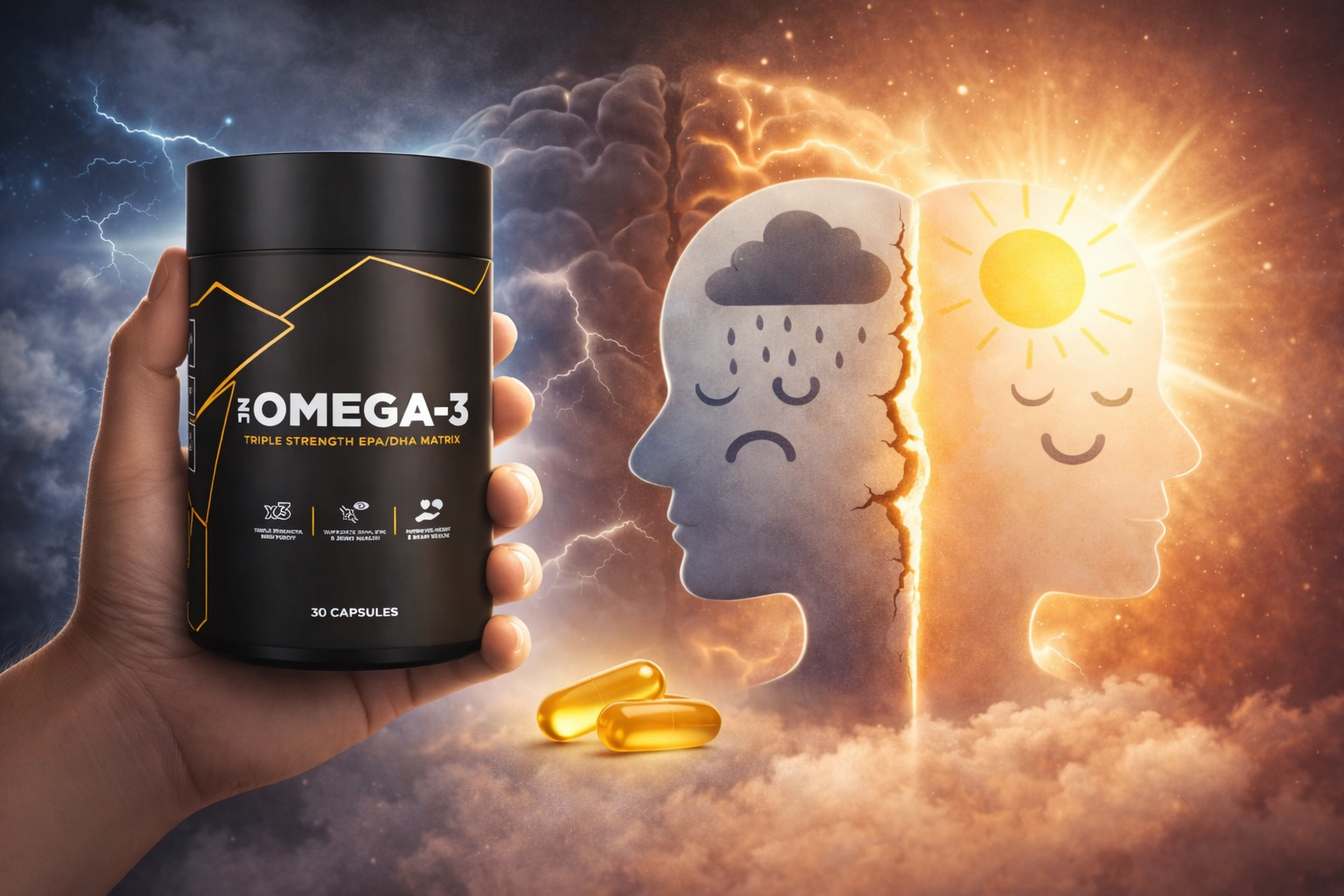

Ever wondered how omega-3s help with anxiety and depression? This question is becoming more common in Pakistan as stress levels continue to rise. Long working hours, poor sleep, and daily pressures can take a serious toll on mental health. Many people feel emotionally drained without understanding why.
Omega-3 fatty acids play an important role in brain health. They are healthy fats found mainly in fish oil and algae. The most beneficial types are EPA and DHA. These fats help the brain manage mood, stress, and emotional balance.
In Pakistan, omega-3 intake is often low. Fish is not a regular part of many diets. Processed and refined foods are eaten more frequently. When the brain does not get enough omega-3, mood stability can suffer. This may lead to anxiety, irritability, or low motivation over time.
Understanding Anxiety and Depression
Anxiety and depression are increasingly common in Pakistan. Yet they are often ignored or misunderstood. Anxiety keeps the brain in a constant state of alert. Thoughts feel overwhelming. The body finds it hard to relax.
Depression feels different, but it is just as challenging. Energy levels remain low. Motivation fades. Even simple daily tasks can feel exhausting. Mood stays low for long periods.
Both anxiety and depression are linked to changes in brain chemistry. Inflammation in the brain plays a role. Imbalances in serotonin and dopamine also affect emotional health. Stressful routines, poor diet, and lack of rest can make these conditions worse.
How Omega-3 Supports Brain Function
Omega-3 fatty acids become part of the structure of brain cells. This helps brain cells communicate more effectively. When communication improves, mood signals stay more balanced. Emotional reactions feel easier to manage.
EPA helps reduce inflammation in the brain. Lower inflammation is associated with reduced anxiety and depressive symptoms. This allows the brain to respond to stress in a calmer way. DHA supports focus, mental clarity, and emotional stability.
Omega-3 also supports serotonin and dopamine activity. These chemicals influence mood, calmness, and motivation. With consistent intake, omega-3s can support better emotional balance and mental clarity over time. Omega-3s can also improve focus and reduce anxiety by keeping brain cells firing well.
Evidence Linking Omega-3 to Anxiety Reduction
Many people ask Is omega-3 good for anxiety? Research on omega-3s and anxiety is growing. People taking omega-3 supplements have less anxiety. The bigger the dose, the stronger the effect. It’s thought that by altering brain membrane composition, omega-3s help regulate stress pathways.
For now, we know omega-3s have anti-inflammatory and neurotransmitter effects that could ease anxiety. We’re still waiting on large clinical trials before declaring it a cure. But if you struggle with mild anxiety, it can’t hurt to try fish oil under a doctor’s advice.
Omega-3s also seem to improve related issues: since anxiety often disrupts sleep, reducing anxiety may help you sleep better. Some users report deeper sleep when their mood stabilizes, though evidence is anecdotal. Likewise, by calming inflammation, omega-3s might ease physical tension or irritability.
So, when should you take them? Aim for consistency. Take your fish-oil or algae supplements daily with a meal (the fat helps absorption). Effects are gradual; you might see subtle mood lifts in a few weeks to months of regular use.
Omega-3 for Depression: Research Insights
Depression and Omega-3 are well-studied. Populations that eat lots of fish tend to have lower rates of depression. In trials, many adults with mild-to-moderate depression feel a lift from omega-3 supplements, especially when combined with antidepressants.
For example, one study found that 1 gram of EPA (daily) worked about as well as a low dose of Prozac in improving mood, and the combination of both was even better. Experts think EPA eases depression by lowering inflammation and helping serotonin work more efficiently.
It can take time, and results vary. Meta-analyses generally agree that omega-3 can help with depression, but not every trial shows a big effect. Factors like a person’s baseline diet, genetics, and whether they’re also using meds matter.
Which type of Omega-3 is best for depression? Formulas rich in EPA (often at least 60% of the total omega-3) seem most effective. DHA-rich formulas are still good for brain and sleep health, but EPA is the workhorse for mood. If you have concerns (like bipolar history), check with your doctor first, as omega-3s can affect mood swings in rare cases.
SEE ALSO: How Omega-3 Improves Brain Function & Mood
Lifestyle Tips to Enhance Omega-3 Benefits
-
Eat omega-rich foods: Include fatty fish (salmon, mackerel, sardines) twice a week. Plant sources like flaxseeds or walnuts are helpful too, but they provide ALA (which the body partly converts to EPA/DHA).
-
Choose quality supplements: If you rely on pills, go for a reputable brand of Omega 3 Supplements with clear EPA/DHA content.
-
Pair with a healthy diet: Eat plenty of veggies, whole grains, and lean proteins. A balanced diet gives your brain the amino acids and vitamins it needs to make mood chemicals.
-
Exercise regularly: Physical activity naturally boosts endorphins and brain health. Combining exercise with omega-3s (which improve blood flow to muscles and the brain) can lift mood faster.
-
Manage stress: Practice relaxation (meditation, yoga, hobbies) to reduce cortisol. Omega-3s can reduce stress hormones, but lifestyle habits round out the effect.
-
Sleep well: Aim for 7–9 hours each night. Good sleep and healthy fats are a power combo for mood and focus.
Conclusion
Omega-3 fatty acids offer a gentle, natural boost for the mind. They play a key role in brain structure and chemistry, so it’s no surprise they help improve mood and calm anxiety. While they’re not a magic pill, adding omega-3 (through diet or Omega-3 supplements) can support your mental balance over time. Think of them as mood-friendly brain food: taken consistently, they may lower stress, stabilize emotions, and make everyday worries a bit lighter.
FAQs
Can omega-3 help with anxiety naturally?
Yes. Studies suggest regular omega-3 intake can ease mild anxiety by reducing brain inflammation and stress hormone spikes. It’s a natural, supportive approach, though not a quick fix.
How effective is omega-3 for depression?
Research shows omega-3s (especially EPA-rich formulas) can improve depression symptoms, often as an adjunct to medication. Many people notice a better mood over a few weeks of consistent use.
What is the best type of omega-3 for mental health?
Choose a supplement where EPA is at least 60% of the total omega-3, combined with DHA. EPA targets mood regulation, while DHA supports brain structure.
Are there any side effects of omega-3 supplements?
Omega-3s are generally safe. Mild effects like fishy burps or stomach upset can occur. To minimize this, take them with food.
Can omega-3 replace antidepressant medication?
No. Omega-3s can complement treatment but shouldn’t replace prescribed meds.
Is fish oil better than plant-based omega-3 for mental health?
Fish oil (EPA/DHA) has more direct evidence for mood benefits. Flaxseed and chia oils provide ALA, a plant-based omega-3 that the body partially turns into EPA and DHA. Vegetarians can use algae-based DHA/EPA supplements to get similar benefits.
Share:
The Link Between Low Testosterone and Emotional Well-being
How Adversity Built Mental Strength and Resilience