

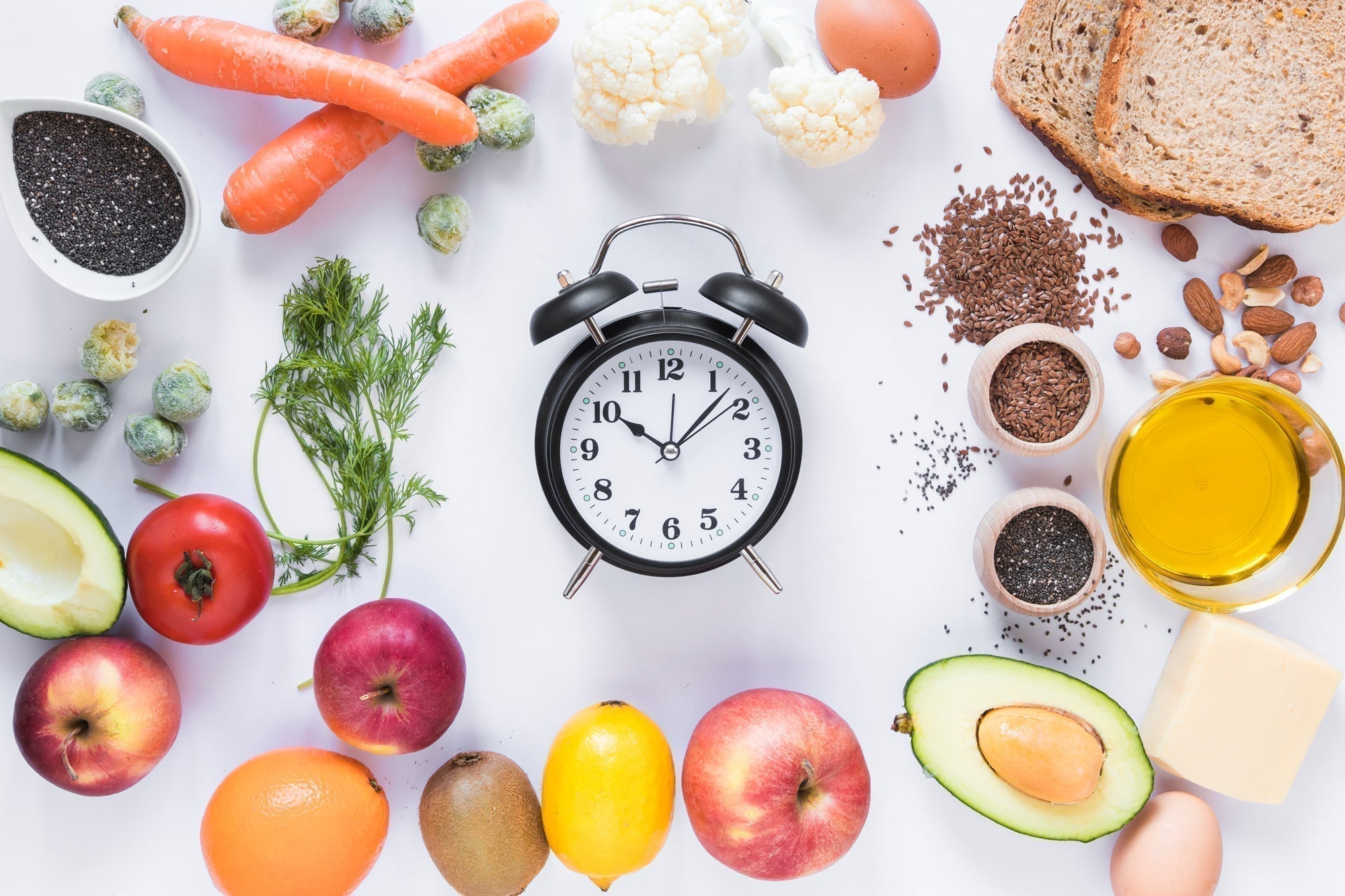

Your body processes food based on predictable biological patterns rather than chance. It follows the circadian rhythm, a natural 24 hour cycle that helps regulate sleep, digestion, metabolism, and appetite. This internal timing system influences how digestive enzymes, insulin, and nutrient transporters function throughout the day, which can affect how efficiently nutrients are absorbed. When meal timing aligns with this rhythm, the body is better equipped to use nutrients for energy, metabolic balance, and long term health.
Introduction to Circadian Rhythm
Circadian clocks are like daily schedules for our bodies. They are driven by light cues and genetics, and regulate functions such as metabolism, energy levels, and hunger. When we eat, these clocks help decide when to release digestive enzymes and hormones. For instance, the gut has its own circadian rhythm: digestive enzyme secretion and motility peak during our active day, preparing us to digest meals efficiently.
This circadian rhythm digestion cycle means the same food can be processed differently depending on the time of day. Proper sleep and consistent meal times keep this rhythm stable. In short, circadian rhythm and health are tightly linked; disruptions can lead to digestive issues and poor nutrient uptake.
What is Nutrient Absorption?
Nutrient absorption is the process by which the digestive tract extracts vitamins, minerals, and other nutrients from food into the bloodstream for use by the body. In healthy digestion, food is broken down by stomach acid and enzymes. Nutrients pass through the small intestine’s villi into the blood. For example, proteins are broken down into amino acids, and sugars into simple carbohydrates, which are then absorbed. These are among the nutritional facts you should know when it comes to how your body utilizes food.
Good nutrient absorption depends on gut health and enzyme activity. However, factors like age, stress, medication, or illness can impair absorption. After age 50, many people experience reduced stomach acid and slower gut motility, meaning nutrients (like B12 or calcium) are absorbed less efficiently. Thus, nutrient absorption can decline if the digestive system is off-balance.
The Link Between Circadian Rhythm and Digestion
Our digestive organs (stomach, intestines, pancreas) are all influenced by circadian signals. For example, the liver clock and a master clock in the brain coordinate to anticipate meals. The hormone ghrelin (which stimulates appetite) rises before meals, and insulin (which helps use glucose) peaks after meals, showing daily oscillations.
Studies found intestinal nutrient transporter levels oscillate; so, at certain times of day, the gut is primed to absorb more nutrients. This is the circadian rhythm digestion cycle: in the morning and daytime (active phase), the gut works harder, while at night it slows down. Aligning eating times with these natural peaks can enhance digestion.
Importantly, even the gut microbiome (the bacteria in our intestines) follows circadian rhythms. Circadian rhythm and gut health are intertwined: a disrupted clock (from shift work or jet lag) can negatively affect gut bacteria and digestion.
How Circadian Rhythm Affects Nutrient Absorption
Research shows that circadian rhythms directly influence nutrient uptake. In animals, peak absorption of glucose and amino acids happens during the active phase. Similarly, in humans, the gut’s transporters (for sugars, peptides, lipids) rise and fall in a 24-hour pattern. This means our intestines anticipate regular meals and adjust their absorption capacity accordingly.
For example, glucose transporters in the intestine may be more abundant during the day, allowing efficient sugar uptake, whereas at night, absorption is lower.
This has practical implications: if we eat the same meal in the morning versus late at night, the body may absorb nutrients differently. Eating late can overload a slowed digestive system.
The Role of Hormones in Nutrient Metabolism
Hormones are the messengers linking our clock to digestion. For instance, cortisol (a stress hormone) peaks in the morning, helping mobilize energy from food, whereas insulin spikes after meals to shuttle glucose into cells. These hormones follow circadian patterns. Melatonin, the sleep hormone, rises in the evening and has the side effect of lowering insulin levels, highlighting the impact of melatonin on blood sugar regulation during nighttime hours.
Other hormones involved include ghrelin (hunger hormone) and leptin (satiety hormone); they also oscillate with circadian rhythm, peaking around normal mealtimes. The gut even rhythmically produces hormones like GLP-1. All this means hormones and digestion work together in a circadian cycle.
When this cycle is smooth, nutrient metabolism is efficient: proteins are built into tissues, carbs turn into energy, and fats are managed. But if the cycle is broken, hormone signals get mixed up. For example, shift workers often have higher ghrelin at night, eat more, and may not use the energy well, leading to fat gain.
Eating at regular times supports the natural cortisol-insulin rhythm and avoids the nighttime melatonin trap that slows metabolism. This way, you optimize nutrient utilization by working with your hormonal clock rather than against it.
Circadian Disruptions and Nutrient Absorption
Disruptions to our clock, like jet lag, shift work, or even weekend sleep-ins, have clear downsides. Studies show that circadian disruption can impair digestion and contribute to metabolic disease. For example, rotating shift nurses often suffer more from acid reflux and nutrient malabsorption. The gut lining and enzymes aren’t ready for meals at odd hours, leading to incomplete digestion. Chronic misalignment is associated with higher rates of obesity, diabetes, and gut disorders.
Poor sleep also ties in: lack of sleep misaligns hunger/satiety hormones (more ghrelin, less leptin), so you eat more, and your clock is skewed. Studies show that short sleep duration can reduce the absorption of micronutrients like calcium and zinc, making it harder for cells to get what they need. Circadian rhythm disruptions undermine both digestion and nutrient uptake, setting the stage for deficiencies and health issues.
Strategies to Optimize Nutrient Absorption with Circadian Rhythm
To make the most of our circadian cycles, we can adopt some chrono-nutrition strategies:
-
Time your meals wisely. Eat a hearty breakfast, a substantial lunch, and a moderate dinner several hours before bedtime.
-
Maintain consistent meal times. Keeping a regular eating schedule helps reinforce your internal clock.
-
Optimize nutrient utilization with high-quality foods. This means choosing unprocessed, nutrient-rich foods. Diets rich in fiber (whole grains, vegetables) and lean protein support both circadian health and nutrient absorption.
-
Avoid caffeine and alcohol late at night. Stimulants and drinks can disrupt sleep and shift melatonin timing.
-
Get good sleep. Good sleep is part of the strategy. Deep, regular sleep helps the body repair and manage nutrients (vitamin D, for example, is synthesized better with proper rest).
In essence, these steps serve as a circadian rhythm meal timing strategy. By following a schedule that aligns with our internal clock, we can optimize how well our body uses vitamins, minerals, and energy from food.
The scientific consensus is clear: When the circadian clock gets off schedule, a person may use fewer calories. Eating meals at the wrong times can lead to weight gain even if intake is not increased. So, the practical takeaway is to align diet with circadian rhythm; eat when you are meant to (daytime) and fast when you rest.
Practical Tips for Aligning Diet with Biological Clock
Plan meals for daylight. Try to consume most of your calories between sunrise and sunset. A good rule is “eat breakfast like a king, lunch like a prince, dinner like a pauper.” This ensures digestive enzymes and insulin are timed well. Avoid late-night snacks. Skipping junk food and heavy dinners at 11 pm can help maintain a healthy gut, while balanced meals (like a salad and whole foods) support nutrient absorption.
Eat with natural light. Sunlight exposure and meal times together reinforce the clock. Drink water throughout the day. Sugary drinks (especially late) can disrupt blood sugar control and circadian timing, affecting the body’s natural rhythm of glucose metabolism.
By following these tips, you effectively create a circadian rhythm meal timing strategy that favors nutrient absorption. A stable daily routine (consistent sleep, regular meals, limited nighttime eating) keeps your hormones and digestion in sync, leading to better energy use and gut health.
Conclusion
Circadian rhythms play a crucial role in nutrition. From meal timing to hormone cycles, our internal clock decides when and how well we absorb nutrients. Aligning your diet with your biological clock, by eating during the day and sleeping at night, can significantly improve nutrient absorption, metabolism, and overall gut health.
In contrast, disrupting the clock (through irregular sleep or late-night eating) can hinder digestion and increase disease risk. The key is consistency: regular meal times and healthy foods help synchronize your circadian rhythm with nutrient uptake. By optimizing nutrient utilization in harmony with your circadian cycle, you give your body the best chance to thrive.
FAQs
How does meal timing influence nutrient absorption?
Meal timing is critical. The body’s digestive processes follow a circadian schedule, so eating when digestion is active (daytime) improves absorption. Eating late can coincide with melatonin release and lower insulin, leading to poorer sugar absorption.
Does circadian rhythm impact protein absorption?
Yes. Circadian rhythms influence overall digestive function, including protein uptake. For instance, gut enzymes and transporters for peptides show daily cycles. Disruption of circadian timing (like shift work) can alter digestion and metabolism, potentially impairing how efficiently protein is absorbed and used for muscle repair.
Can eating late at night reduce nutrient utilization?
Absolutely. Late-night eating often means eating against your circadian rhythm. Hormones like insulin are lower, and melatonin is higher at night, which can slow digestion. This circadian disruption effect can reduce calorie burn and lead to nutrients being stored as fat. It’s best to have the last meal several hours before bedtime.
How do sleep patterns affect nutrient absorption?
Poor or irregular sleep can desynchronize your circadian rhythm. Lack of sleep raises stress hormones and disrupts hunger hormones, which can impair digestion and nutrient uptake. Good sleep in alignment with natural circadian cues supports optimal hormone cycles and gut function for efficient nutrient absorption.
Can aligning meals with the circadian rhythm improve metabolism?
Yes. Aligning meal times with your natural circadian rhythm has been shown to improve metabolic outcomes. When eating patterns match the body clock, the body uses nutrients more effectively for energy rather than storing them. This can improve glucose control, support weight management, and boost overall metabolic health.
Share:
Organic Health and Nutrition Tips | Evidence-Based – Jacked Nutrition
Fish Oil vs Cod Liver Oil: What’s the Difference?