High-Protein Snacks Anytime, Anywhere
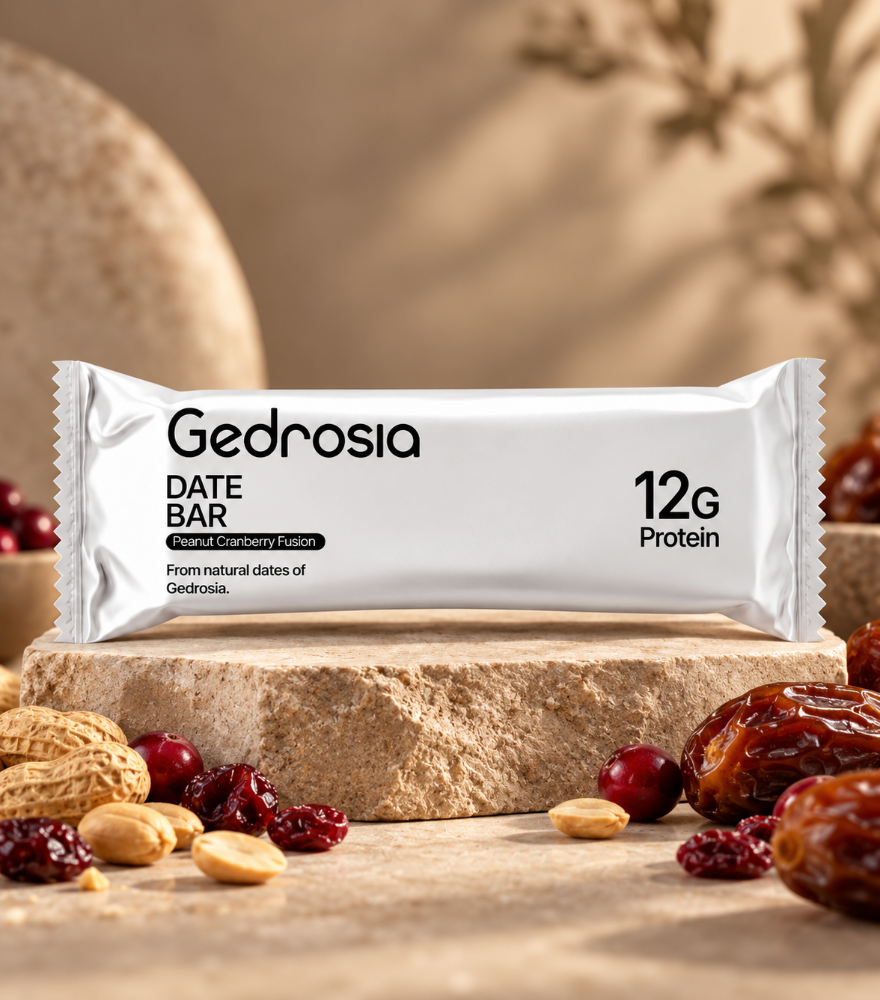
Protein bars are a convenient and healthy way to meet your nutritional needs, whether you want a quick snack, an on-the-go meal, or a high-protein option to maintain muscle mass between workouts. At Jacked Nutrition, our protein bars help increase your protein intake without compromising your diet goals, making them a perfect complement to protein powders and other supplements.
These bars are made with high-quality ingredients and provide a balanced mix of protein, healthy fats, fiber, and carbohydrates, keeping you full and energized. They include protein from sources like whey, pea, brown rice, and egg, along with nutrients from nuts, fruits, and whole grains. With protein bars, you get a nutrient-rich, tasty, and convenient option to support your fitness and health goals.
Benefits of Protein Bars
Here is why you have to try protein bars and include them daily in your diet:
- Healthy and Delicious Snack: Protein bars are a healthier alternative to candy and sugary snacks, helping prevent blood sugar spikes and unwanted weight gain. They come in a variety of flavors like chocolate, hazelnut, caramel, or salted caramel, making them a tasty option that reduces overeating between meals.
- Meal Replacement: When you don’t have time to prepare a full meal, protein bars provide a balanced source of protein, fiber, and essential vitamins and minerals, keeping you full and nourished for longer periods.
- Convenience: Protein bars are portable, require no mixing or refrigeration, and are easy to consume on the go. They are ideal for busy professionals, active individuals, or athletes who need a quick and reliable source of nutrition throughout the day.
- Workout Support and Muscle Gain: Protein bars make an excellent pre- or post-workout snack. They supply amino acids and protein to fuel workouts, enhance performance, repair muscle tissue, and support lean muscle growth.
- Weight Management: High protein and fiber content in protein bars can help control hunger, reduce cravings, and support fat loss while preserving lean muscle mass.
- Energy Boost: Protein bars provide sustained energy, helping you stay active and focused throughout the day or during long training sessions.
- Digestive Health: Many protein bars contain fiber, which supports healthy digestion, improves gut health, and helps maintain regularity.
- Nutrient-Rich: Beyond protein, protein bars often contain essential vitamins and minerals that help meet your daily nutritional needs, supporting overall wellness.
Why Choose Jacked Nutrition for Protein Bars
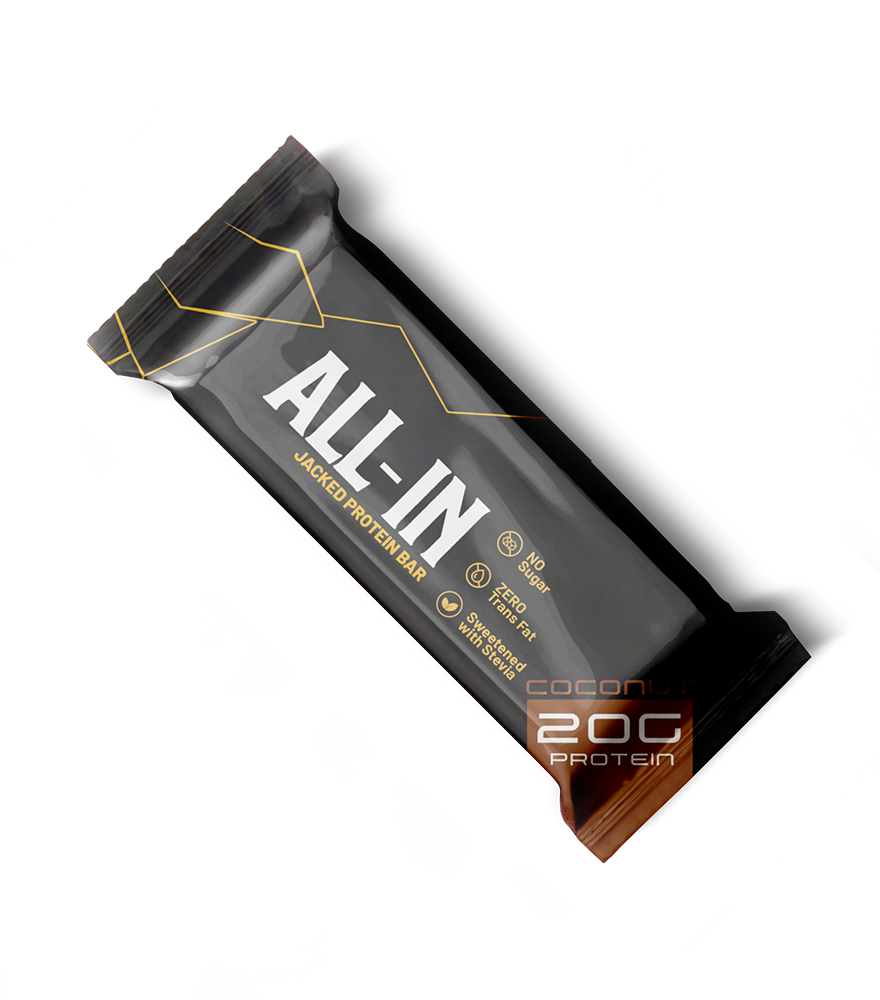
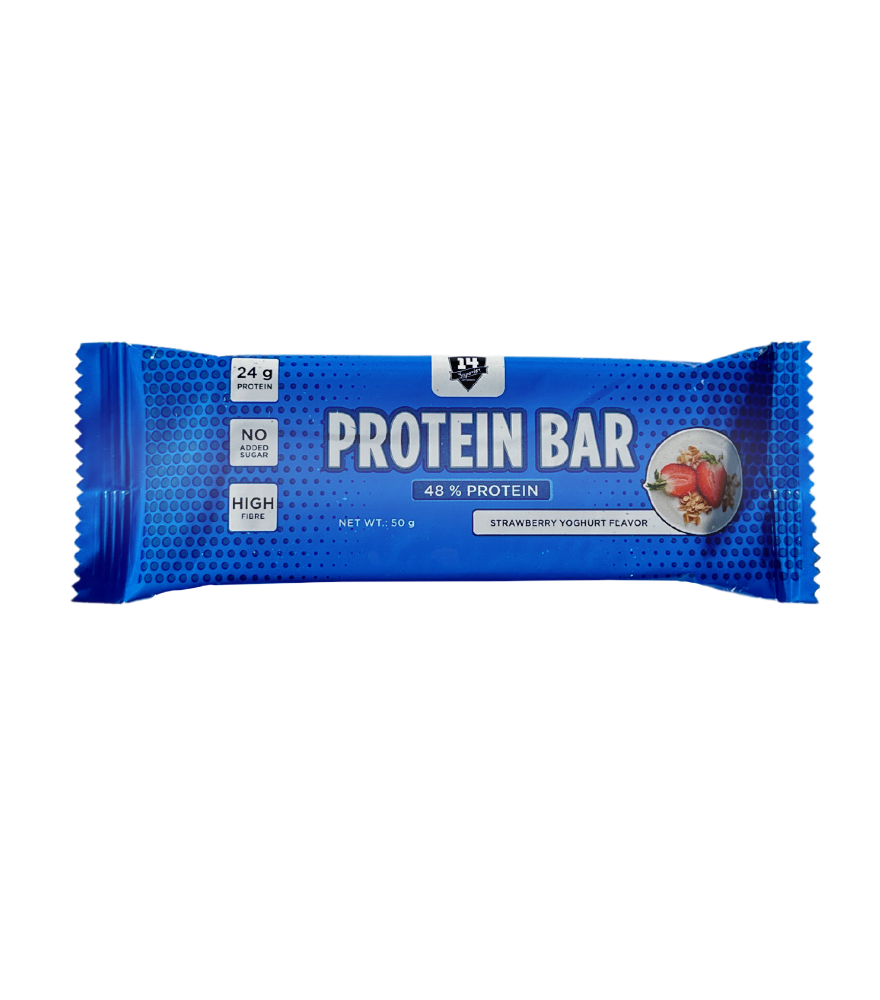
At Jacked Nutrition, we provide a carefully selected range of high-quality protein bars to help you meet your fitness and nutritional goals. Whether you’re looking for energy, muscle recovery, or a healthy snack, our collection includes trusted options like All-In Jacked Protein Bar and Nutrilov Protein Bar, crafted with premium ingredients for maximum nutrition and taste.
We ensure all products are authentic, imported, and effective, so you can confidently fuel your workouts and daily activities. With our easy online ordering and physical stores across Islamabad, Lahore, Karachi, Rawalpindi, and Faisalabad, getting your favorite protein bars has never been more convenient.
Protein Bar Price in Pakistan
Protein bar prices in Pakistan range from Rs. 300 to Rs. 7,020, depending on the brand, protein content, and type of bar. You can check the latest prices and discounts online or visit any of our stores in Islamabad, Lahore, Karachi, Rawalpindi, or Faisalabad to see the full range in person. For expert guidance or any questions about selecting the right protein bar, you can also call our team at 03335695695.
What to Look for in a Protein Bar
Choosing the right protein bar means reading the nutrition label carefully and understanding what each ingredient contributes to your health. A good protein bar should deliver at least 15 to 25 grams of protein per serving, with a balanced macronutrient profile that fits your calorie goals and dietary requirements.
- Protein Source and Quality: Look for bars that use high-quality protein sources such as whey protein isolate, whey protein concentrate, casein protein, soy protein, pea protein isolate, or brown rice protein. Whey isolate is the most rapidly absorbed and has the highest biological value, making it the preferred choice for post-workout muscle protein synthesis.
- Sugar and Sweeteners: Avoid bars with excessive added sugar, corn syrup, or glucose syrup. Many quality bars use low-glycemic sweeteners such as stevia, erythritol, maltitol, or tagatose to deliver great taste without spiking blood glucose levels. Bars with under 5 grams of added sugar per serving are generally considered a low-sugar snack food.
- Dietary Fat and Fiber Content: A balanced protein bar includes healthy fats from sources like almonds, peanuts, cashews, dark chocolate, coconut oil, or sunflower seeds. Dietary fiber from oats, chicory root, inulin, or psyllium husk slows digestion, improves satiety, and supports healthy blood sugar levels. Aim for at least 3 to 5 grams of dietary fiber per bar.
- Flavors and Texture: Popular protein bar flavors include chocolate fudge, peanut butter, cookies and cream, birthday cake, cinnamon roll, mint chocolate chip, and vanilla almond. Texture varies from chewy and dense to crunchy and crisp, depending on the base ingredients used. Finding a flavor and texture you enjoy makes it easier to include protein bars consistently in your daily diet.
Key Nutrients and Macros in Protein Bars
Beyond their macronutrient profile, many protein bars are fortified with a range of micronutrients, amino acids, and functional ingredients that support overall health and athletic performance. Understanding these nutrients helps you select a bar that truly aligns with your supplement and dietary goals.
- Essential Amino Acids and BCAAs: Quality protein bars deliver a complete amino acid profile, including all nine essential amino acids. Branched-chain amino acids (BCAAs) — leucine, isoleucine, and valine — are particularly important for stimulating muscle protein synthesis, reducing exercise-induced muscle soreness (DOMS), and preventing muscle catabolism during calorie restriction.
- Vitamins and Minerals: Many bars are fortified with micronutrients to function as a nutritional supplement alongside food. Common additions include vitamin D, calcium, magnesium, potassium, iron, zinc, vitamin B12, vitamin C, and folic acid. These vitamins and minerals support immune health, bone density, oxygen transport, and energy metabolism — making a fortified protein bar more than just a snack food.
- Calorie and Carbohydrate Content: Protein bars typically range from 150 to 400 kilocalories per serving. Carbohydrate content varies widely: low-carb or keto-friendly bars contain under 10 grams of net carbs, while performance bars designed for endurance athletes may contain 30 to 45 grams of complex carbohydrates from oat flour, brown rice syrup, or tapioca for sustained glycogen replenishment.
- Functional Additives: Some bars are enhanced with creatine monohydrate, collagen peptides, omega-3 fatty acids, probiotics, or adaptogens like ashwagandha and maca root for additional health benefits. These functional ingredients elevate a protein bar from a simple snack food into a targeted nutritional supplement that supports specific wellness and performance goals.
Who Should Eat Protein Bars
Protein bars are a versatile food product suitable for a wide range of individuals, from competitive athletes to office workers managing busy schedules. Their convenience, nutrition density, and variety make them an ideal snack food across different lifestyles and dietary needs.
- Athletes and Bodybuilders: Gym-goers, weightlifters, powerlifters, and bodybuilders benefit from protein bars as a convenient way to hit their daily protein targets — typically 1.6 to 2.2 grams of protein per kilogram of body weight. Bars support muscle hypertrophy, accelerate post-workout recovery, and help maintain a positive nitrogen balance throughout the day.
- People on Weight Loss or Calorie-Controlled Diets: Those following a calorie deficit, intermittent fasting, ketogenic diet, or high-protein low-carb diet can use protein bars to manage hunger, preserve lean muscle mass, and avoid high-calorie processed snack foods. Low-sugar, high-fiber bars are particularly effective at reducing overall daily caloric intake without sacrificing taste or satiety.
- Vegetarians and Vegans: Plant-based protein bars using pea protein, soy protein, hemp seed protein, or a blend of plant proteins offer vegetarians and vegans a practical way to supplement dietary protein intake. These bars are free from animal by-products, making them suitable as both a snack food and a dietary supplement for those avoiding dairy or meat.
- Busy Professionals and Students: For people who skip meals due to tight schedules, protein bars serve as a fast, shelf-stable, grab-and-go snack food that requires no preparation or refrigeration. They are an ideal packaged food option for office desks, gym bags, travel, and school backpacks, helping maintain consistent energy levels and nutritional intake throughout the day.
FAQs
What makes protein bars a good post-workout snack?
Protein bars combine protein and carbs in a convenient format, helping your muscles recover quickly and replenishing energy after exercise.
Can protein bars help curb hunger between meals?
Yes, the high protein and fiber content keeps you full longer, reducing cravings and preventing unhealthy snacking.
Are protein bars suitable for busy lifestyles?
Absolutely, they are portable, mess-free, and can provide quick nutrition anytime, whether at work, travel, or the gym.
Do protein bars improve workout performance?
Protein bars fuel your body with energy and essential amino acids, supporting endurance and consistent performance during workouts.
Can protein bars support weight loss?
Yes, by replacing high-calorie snacks with protein-rich bars, you can maintain satiety and preserve lean muscle while losing fat.
Do protein bars contain essential nutrients besides protein?
Yes, most bars are fortified with vitamins, minerals, and fiber to support overall health alongside muscle recovery.
Can protein bars be used as meal replacements?
While they’re nutrient-rich, protein bars are best for snacks or post-workout fuel, not full meal replacements.
Can protein bars boost energy before workouts?
Yes, the combination of protein and carbs provides sustained energy, helping you power through intense training sessions