

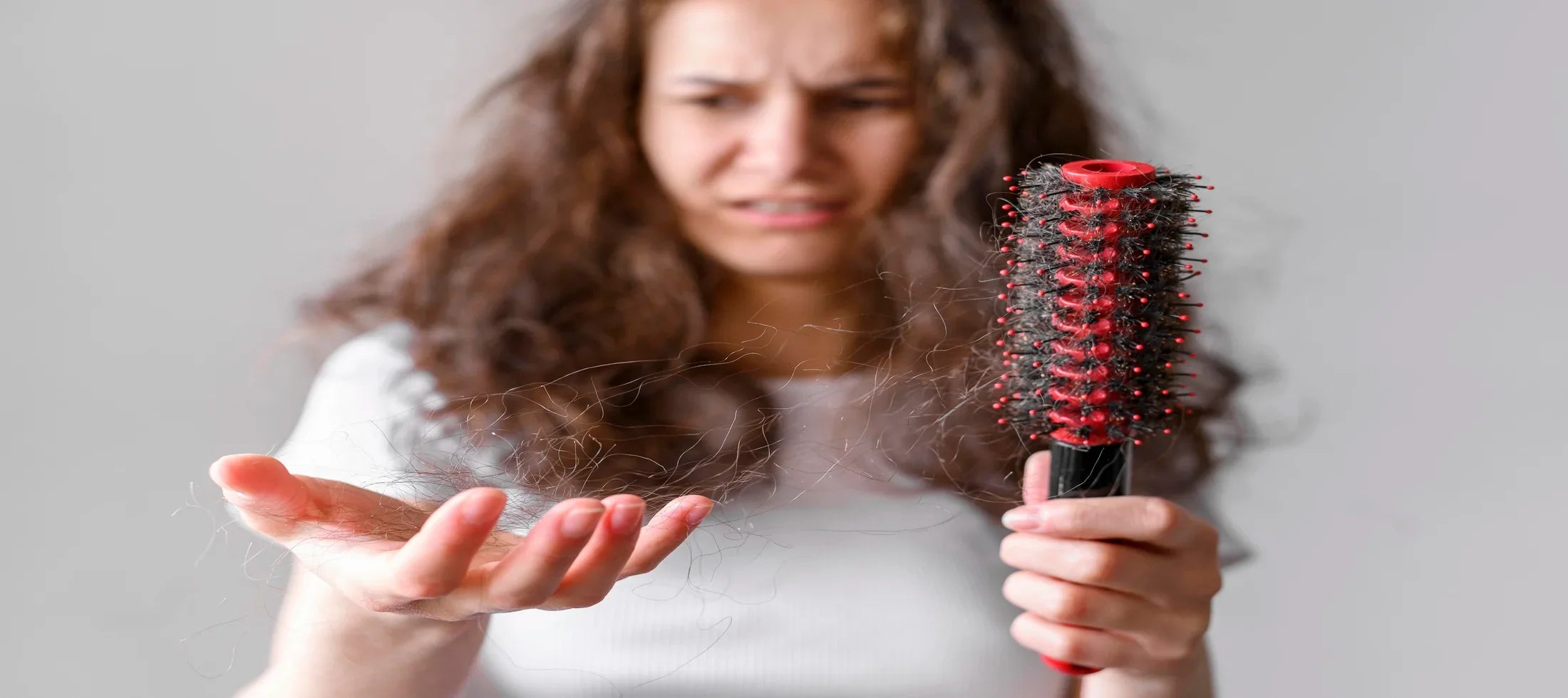
If your hair seems to drink up water and products in seconds but dries out just as quickly, you may be dealing with high porosity hair. This type of hair has raised or damaged cuticles that allow moisture to enter easily but make it difficult to retain. As a result, it often feels dry, frizzes quickly, and needs extra care to stay healthy. While high porosity hair can be genetic, it’s often linked to chemical treatments, heat styling, or environmental stress.
What Is High Porosity Hair?
High porosity hair means hair strands with open or damaged cuticles. Each hair strand has layers: the outer cuticle, the cortex, and the medulla. Normally, the cuticle lies flat to protect the inner hair. But in high porosity hair, the cuticle scales are lifted or gapped. This makes moisture, oils, and chemicals able to enter the hair shaft very easily, but they also escape quickly.
Hair can be high porosity because of genetics or because of damage. Hair with a high porosity level is usually the result of previous processing or stress on the hair. In fact, treatments like bleaching, perming, excessive heat styling (flat ironing, curling), or harsh chemical treatments can lift the cuticle scales.
Sometimes, high porosity hair just runs in the family; you might inherit naturally porous hair from a parent. But very often, repeated salon treatments and sun exposure are to blame. It’s important to note that high porosity hair is not limited to one texture or thickness. In other words, you can have high porosity hair whether your curls are tight or loose, fine or thick; the key is the cuticle, not the curl pattern.
What Are the Signs of High Porosity Hair?
How do you tell if your hair is high porosity? There are a few clear indicators to look out for. Common signs of high porosity hair include:
-
Feels dry or rough even after using conditioner. High porosity hair often lacks natural shine because the cuticles are raised.
-
Prone to frizziness and tangling. Because moisture escapes so quickly, the hair cuticle can lift and roughen up, causing frizz and tangles.
-
Breakage or split ends happen more often. Weakened cuticles mean less structural integrity, so the hair snaps more easily when brushed or styled.
-
Dries very quickly after washing. You may notice that after a shower, your hair is bone-dry in a fraction of the time it takes others; a clear hint that it has absorbed and lost the water fast.
-
Absorbs products instantly but still feels brittle. For example, a leave-in or oil seems to disappear into the hair as soon as you apply it, but the hair doesn’t stay feeling soft.
SEE ALSO: What Are the Best Hair Loss Products for Women?
What Type of Porosity Do You Have?
You can actually test your hair’s porosity at home with a simple water test. Take a clean, dry strand of hair (from your brush or comb) and gently place it in a clear glass of water:
-
Fill a clear glass or bowl with water.
-
Drop a clean hair strand into the water.
-
Watch what happens:
-
If the hair sinks quickly to the bottom, it’s high porosity. The open cuticles let water in fast, so the hair rapidly becomes waterlogged.
-
If it floats mid-way for a bit then sinks, that’s medium (normal) porosity; a balance of absorption and retention.
-
If the hair floats on top for a long time, that’s low porosity – cuticles are closed and repel water, so the strand takes ages to sink.
High porosity hair will sink fast in this test. This is an easy way to see how “thirsty” your hair is. Knowing your porosity helps you choose the right products (for example, heavy moisturizers for porous hair vs. lighter ones for resistant hair). Once you confirm high porosity, you can focus on fixing the gaps and balancing moisture.
How to Treat High Porosity Hair
If you have high porosity hair, the main goals are to repair the cuticle damage and lock in moisture. You want to slow down moisture loss and strengthen the hair’s outer layer. Wondering how to fix high porosity hair? Below are solutions:
-
Deep Conditioning and Protein Treatments: High porosity hair often benefits from protein-rich masks. Proteins (like keratin, quinoa protein, and amino acids) can help rebuild and fill in gaps in the hair cuticle. For example, deep conditioners labeled for damaged hair or products containing hydrolyzed proteins can help restructure and strengthen your strands. Use a deep protein mask about once a week. This can help your hair retain moisture better over time.
-
Heavier Oils and Butters: Look for hair products (shampoos, conditioners, leave-ins) with heavier ingredients like oils or butters. Oils such as coconut oil, olive oil, castor oil, and shea butter can seal the cuticle and form a barrier that locks in moisture. These ingredients are thicker and more occlusive, so they help prevent moisture from evaporating. In practice, you might use a rich oil-based leave-in or sealant on top of your moisturizer.
-
Hydrating Shampoos and Conditioners: Choose moisturizing shampoos and conditioners. For example, an anti-dandruff shampoo with added humectants (like aloe vera, glycerin) can actually help high porosity hair if it has flakes. Using a gentle, sulfate-free shampoo can also help prevent further drying.
-
Cool or Lukewarm Water: Hot water opens cuticles even more, making them lose moisture. Wash and rinse your hair in cooler water and finish with a cold rinse when possible, to help close the cuticle and seal in moisture.
-
Layering Products (LOC or LCO Method): On damp hair, apply a water-based leave-in lotion or moisturizer, then an oil, and optionally a butter or cream. For example: Leave-In → Oil → Cream (LOC) or Leave-In → Cream → Oil (LCO). The oil/butter layer locks in the moisture from the leave-in. For high porosity hair, sealing in moisture is critical, so don’t skip that final oil or butter step. Even a small amount of heavy oil (coconut, castor) rubbed on the ends can make a big difference.
-
Avoiding Further Damage: Limit heat styling, harsh chemicals, and frequent dyeing. Each of these can worsen porosity. If you do use heat, always use a heat protectant. Also, avoid brushing wet hair roughly; instead, detangle gently with a wide-tooth comb.
-
Regular Trim: High porosity hair is prone to split ends. Trim the ends regularly (every 6-8 weeks) to remove damage and prevent splits from traveling up the strand.
In short, how to take care of high porosity hair means rebuilding strength and sealing moisture. Try to use products that hydrate deeply and then lock that hydration in. For example, after washing, you might use a deep conditioner, then a leave-in with protein, and finally an oil. Over time, these steps will fill in the damaged cuticle and improve hair health.
Why Jacked Nutrition?
In addition to external care, nutrition plays a role in hair health. Strong, healthy hair needs the right building blocks. Jacked Nutrition offers supplements that can complement your hair care routine from the inside out. For example, hair is made of keratin protein, and if your diet is lacking protein or key nutrients, hair can become weak. Their proteins and supplements give your body the amino acids and vitamins it needs to build strong hair.
For someone with high porosity hair, adding a quality hair-nutrition supplement could help ensure your body isn’t contributing to hair dryness or breakage. In short, Jacked Nutrition’s products can be part of the solution: they provide the internal support (like protein and nutrients) needed for hair to grow strong and healthy.
Conclusion
Caring for high porosity hair is all about balance; understanding that while your strands eagerly absorb moisture and treatments, they need extra help to hold on to that hydration. By using protein-rich conditioners, sealing with heavier oils, and avoiding harsh styling habits, you can gradually strengthen your cuticles and reduce dryness, frizz, and breakage.
Remember, healthy hair care doesn’t stop at what you put on your strands; it also depends on what you put into your body. A nutrient-rich diet and supportive supplements can give your hair the building blocks it needs to grow stronger from within. With consistency, patience, and the right products, high porosity hair can thrive, becoming softer, shinier, and more resilient over time.
FAQs:
Could my very high porosity hair be caused by a vitamin deficiency?
Not usually. High porosity is most often due to physical damage (bleaching, heat, chemicals), lifting the cuticle. Poor nutrition can weaken hair over time, but vitamin deficiency alone generally doesn’t create highly porous hair. Instead, focus on repairing the cuticle and using protein treatments.
Is high porosity good for hair?
Not really. High porosity means hair loses moisture quickly, which leads to dryness, frizz, and breakage. While it’s true that high porosity hair readily takes in products, the downside is that it can’t hold moisture well. This usually makes styling and maintaining the hair more challenging.
What oil is best for high porosity hair?
Heavy, nutrient-rich oils work best. Oils like castor oil, coconut oil, and olive oil are often recommended because they penetrate and seal porous hair.
Share:
6 Anti-Aging Supplements that Can Help Boost Energy, Skin Health, and Longevity
What is the Difference Between Dandruff and Dry Scalp