

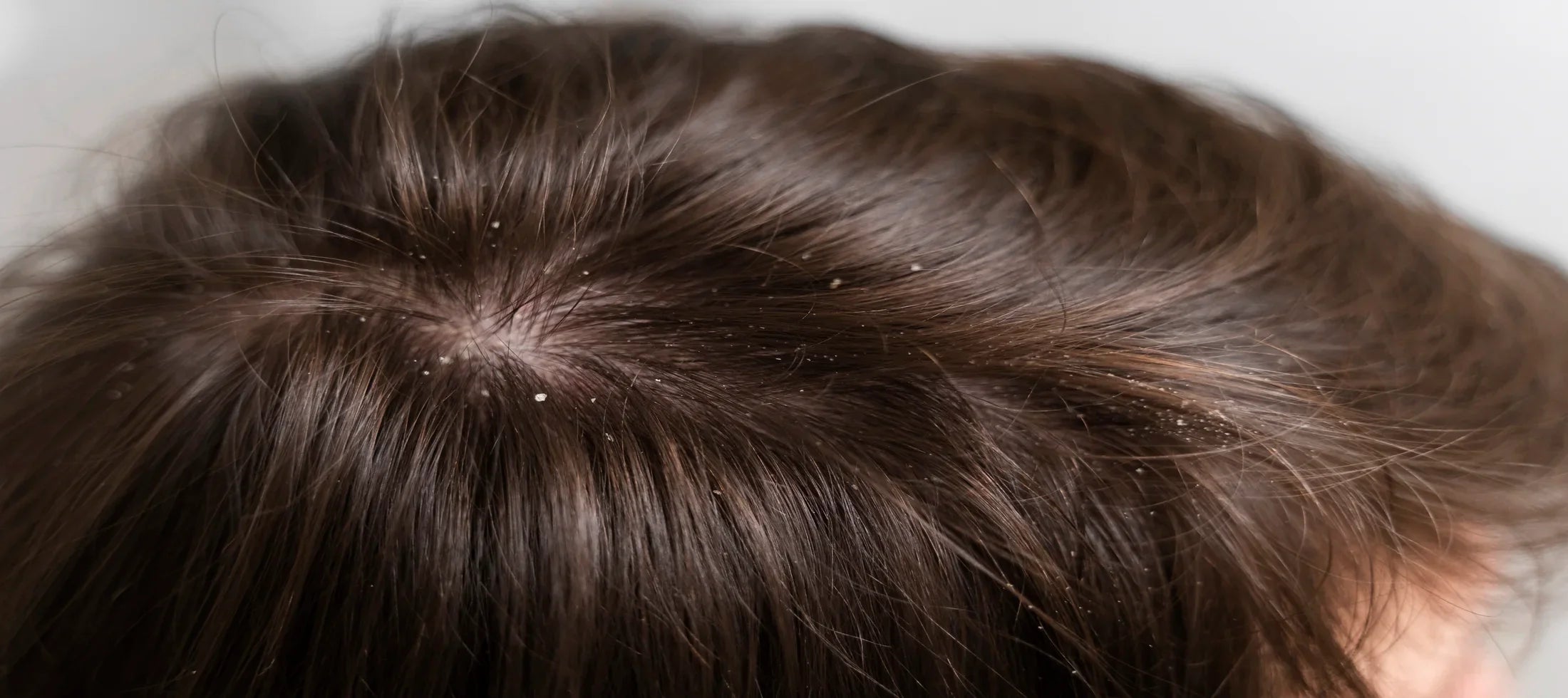
Many people confuse dandruff with a dry scalp, but medically, they’re not the same thing. “Dandruff vs dry scalp” is a common search, so let’s break it down. Dandruff is usually caused by factors like scalp fungus or overactive skin cell turnover, while a dry scalp simply lacks enough oil and hydration. In this blog, we’ll explain how to tell them apart, figure out which one you have, and give tips on treating both conditions properly.
What Is the Difference Between Dry Scalp vs Dandruff?
The main difference is the cause. Dandruff is a type of seborrheic dermatitis. It involves an accelerated shedding of scalp skin cells, often triggered by a yeast-like fungus called Malassezia, oily skin, or sensitivity to certain products. The dead skin cells clump into larger, sometimes yellow-tinged flakes that fall off in your hair or on your clothes.
A dry scalp, on the other hand, is simply when your scalp doesn’t produce enough natural oils (sebum) to keep the skin moist. This can happen due to cold weather, overly hot showers, harsh shampoos, or just having naturally dry skin.
The flakes from a dry scalp tend to be much smaller, white, and powdery (think fine white flakes on a dark shirt). A dry scalp can contribute to some flaking, but without the inflammation or fungus of dandruff, and it usually improves by adding moisture.
In short, dandruff flakes are often oily or yellow and are caused by a scalp condition (often yeast or dermatitis), whereas dry scalp flakes are small and caused by dry, un-lubricated skin.
Is dry scalp and dandruff the same thing?
One way to think of it: Is your scalp very itchy with bigger, oily flakes? That suggests dandruff. Are the flakes tiny, and your scalp feels tight or just “thirsty”? That’s likely just dry scalp.
SEE ALSO: Home Remedies for Dry and Frizzy Hair
Do I Have Dandruff or Dry Scalp?
How to get rid of dry scalp? To figure it out, look at the flakes and your symptoms. Dry scalp is usually itchy and flaky, but the flakes are tiny and white, like the kind you might brush off a wool sweater.
Dandruff flakes are larger, greasy, or yellowish, and you might see them on your shoulders more prominently. If your scalp is very oily or you have greasy hair, that points to dandruff (since dandruff often coexists with excess oil).
Also note the timing: dandruff often gets worse in winter or with stress, and doesn’t just go away on its own. Dry scalp might improve quickly if you start using the best shampoo for dry scalp or reduce washing.
Finally, you can look at scales: if you have any redness or significant itching beyond mild dryness, that usually indicates dandruff (seborrheic dermatitis). When in doubt, a dermatologist can confirm by examining your scalp.
What Does Dandruff Look Like?
Dandruff appears as white or yellow flakes on the scalp and in the hair. These flakes tend to be larger than dry scalp flakes and may be oily or clumped. You might see oily patches or yellowish crusts near the hairline or eyebrows (dandruff can affect eyebrows, too). The scalp under dandruff can be red or irritated. Essentially, dandruff looks like a shedding of larger dead skin cells, whereas dry scalp doesn’t usually make big visible clumps.
Think of dandruff as resembling frost in texture, more noticeable, and sometimes heavier. A person with dandruff often constantly brushes off visible flakes after they appear. By contrast, dry scalp flakes are more like a fine powder.
What Are the Symptoms of Dandruff vs. Dry Scalp?
Symptoms of dry scalp include: mild itching, very small white flakes that you might only notice up close, and a feeling of tightness on the scalp. Dry scalp often comes with dry hair as well, because the scalp isn’t providing natural oils.
Symptoms of dandruff include: itching (sometimes intense), and visible flakes that are larger. These flakes may fall out over the shoulders or on clothing. The scalp may look red or greasy in areas. Unlike dry scalp, dandruff itching often persists until treated, because it’s an inflammatory process.
Both conditions cause flaking and itching, but dandruff flakes are bigger, may be yellow or oily, and often require medicated shampoos to clear. Dry scalp flakes are smaller and can usually be improved by simply hydrating the scalp.
SEE ALSO: How to Keep Hair Healthy
How to Treat Dandruff and Dry Scalp?
Treatment depends on which issue you have, or if you have both. Here are general tips for both:
-
Gentle Cleansing: Use a mild, hydrating shampoo on a regular schedule. For dry scalp, pick a moisturizing shampoo (like an oatmeal or aloe-infused one). For dandruff, use an anti-dandruff shampoo (zinc pyrithione, selenium sulfide, ketoconazole) as recommended. For example, shampoos with zinc pyrithione or ketoconazole are proven to reduce dandruff-causing fungus. You might alternate: e.g., dandruff shampoo a few times a week, gentle shampoo the rest of the time.
-
Rinse and Condition: Never skip conditioner, even if you have an itchy scalp. Conditioners with nourishing oils or glycerin help keep skin and hair supple. For a dry scalp treatment, look for formulas labeled “moisturizing” or “anti-dryness.”
-
Scalp Oils and Masks: Natural oils can soothe dryness. For dry scalp, try massaging a small amount of coconut oil, olive oil, or almond oil into your scalp. Leave it on for a short time, then wash it out. Aloe vera gel or tea tree oil (diluted) can also calm itchiness. Massaging a tiny amount of Vaseline into the scalp can help “combat flakiness, just be sure to wash thoroughly afterwards. For dandruff, some people use tea tree oil (which has mild antifungal effects) or apple cider vinegar rinses to change scalp pH.
-
Avoid Irritants: Switch from hot showers to lukewarm ones, as hot water can dry out the scalp. Don’t brush or scratch aggressively. Avoid hair products with alcohol or harsh fragrances, which can worsen dryness and flaking.
-
Lifestyle: Stay hydrated (yes, not drinking enough water can contribute to dry scalp) and maintain a balanced diet. Low levels of vitamins A, D, or B (especially biotin) can affect skin health. Managing stress is also key, since stress can trigger dandruff flares.
-
See a Professional if Needed: If flakes persist despite home care, you might have a scalp condition like seborrheic dermatitis or psoriasis requiring prescription treatments.
By comparing these approaches, you can see how dandruff vs dry scalp treatments overlap (moisturize, avoid irritation) but also differ (anti-fungal ingredients for dandruff).
Conclusion
Dry scalp is simply skin dryness on your head, often causing tiny white flakes and itchiness. Dandruff is an inflammatory scalp condition (often fungal-related), causing larger, oilier flakes and stubborn itching. They can look similar, but the right treatment is different. To manage either condition, focus on gentle, moisturizing care and use targeted products: for example, anti-dandruff shampoos (with ingredients like zinc or ketoconazole) if you have dandruff, or rich, soothing shampoos and scalp oils if you have a dry scalp.
Always notice your scalp; for instance, large yellow flakes that don’t improve mean you probably need more than just water. With the proper routine, you can clear flakes and keep your scalp healthy.
FAQs:
How to remove dandruff in one wash?
Rapid relief in one wash is hard, but choosing a potent shampoo helps. Use an anti-dandruff shampoo containing ketoconazole or zinc pyrithione. Lather it on your scalp and leave it on for 5–10 minutes before rinsing. This can loosen many flakes at once.
Is dandruff worse than dry scalp?
It depends on how you measure worse. Dandruff isn’t necessarily more dangerous, but it often requires stronger treatment. Dandruff can indicate an underlying skin condition (like seborrheic dermatitis) and tends to be more persistent without medication. Dry scalp usually improves quickly with simple moisturizing care. Some people find dandruff more stubborn and embarrassing (because flakes are more obvious), but neither condition is truly better; they just need different care.
Can I put Vaseline on my scalp?
In small amounts, yes, it can help seal in moisture for a dry scalp. Petroleum jelly (Vaseline) creates a protective barrier on the skin, so rubbing a pea-sized amount on a dry patch and then shampooing it out can relieve flakiness.
Does drinking water stop dry scalp?
Staying hydrated is always good for your skin, but drinking water alone won’t immediately clear up a dry scalp. Not drinking enough water can be one cause of a dry scalp. Combine hydration with topical treatments: use a moisturizing shampoo, apply oils to the scalp, and keep overall skin healthy.
Share:
Everything You Need to Know About High Porosity Hair
How Whey Protein Supports Gut Health and Immunity