

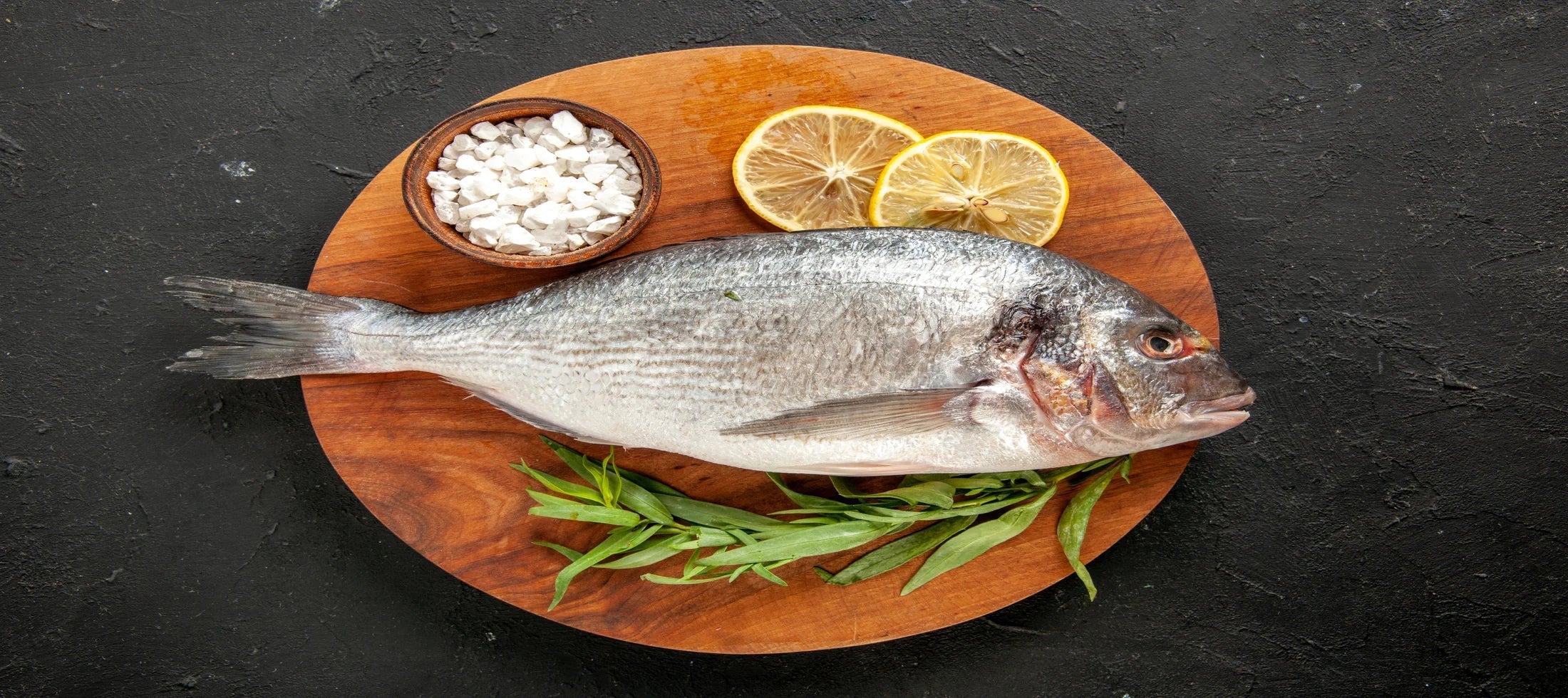
If you’ve ever seen tilapia on a menu or heard mixed opinions about it, you’re not alone. The question is tilapia healthy? Comes up a lot. Tilapia is a mild, white freshwater fish that’s easy to find and cook. It’s popular because it’s relatively inexpensive and versatile. But some sources warn that it’s bad due to farming methods and fat content. Let’s discuss and see whether tilapia deserves its mixed reputation.
What is Tilapia?
Tilapia actually refers to several species of cichlid fish, originally from African rivers (like the Nile) and widely farmed around the world. It’s a lean white fish, meaning its flesh is pale and low in fat.
In cuisine, tilapia is prized for its mild flavor and firm, flaky texture. Because it’s mild, it easily absorbs spices and marinades. You’ll often see tilapia in grills, tacos, and baked dishes. Nutritionally, it’s similar to other lean fish. Tilapia provides the muscle-building protein you need without the heavy fat content of fattier fish like salmon.
Tilapia Nutrition Facts:
Tilapia is nutritious in several ways. A standard 3-ounce (about 85g) cooked tilapia fillet offers roughly:
-
Calories: ~110 kcal.
-
Protein: ~23 g.
-
Fat: ~2–3 g (very low).
-
Omega-6 to Omega-3 ratio: tilapia’s ratio is about 1.5:1.
-
Minerals: It has calcium (12 mg), iron (0.6 mg), magnesium (30 mg), phosphorus (177 mg), potassium (331 mg), selenium (47 µg).
-
B vitamins: Tilapia provides niacin (B3) 4.1 mg, vitamin B12 (1.6 µg), and small folate (5 µg).
SEE ALSO: 3 Best Fish Oil Capsules.
Is Tilapia Good for You?
The answer: generally, yes, tilapia can be good for you, with a few caveats. It’s high-quality protein, low in calories and fat, and provides vitamins and minerals. These facts are clear from its nutrition profile. Its lean nature makes it useful for people trying to manage weight or improve body composition.
Tilapia contains a range of nutrients that may benefit overall health. Because tilapia is mild-flavored and cheap, it’s an accessible protein option. If the fish is well-farmed and fresh, it’s comparable health-wise to other whitefish like cod or haddock. In short, tilapia itself is not a bad fish for you; it’s nutritious and can be part of a healthy diet.
Is Tilapia Safe to Eat?
The safety of eating tilapia hinges on how it was raised. Wild tilapia generally eat algae and small organisms, but most tilapia you buy is farmed. Some farm conditions can be problematic. Certain Asian farms have used animal manures or antibiotics in tilapia ponds. This raises the risk of bacterial contamination or chemical residues.
In fact, Monterey Bay Aquarium’s Seafood Watch advises that tilapia from China is best avoided due to reports of banned antibiotics and contamination. Instead, safer sources include tilapia farmed in Colombia, Indonesia, Taiwan, or Mexico. These farms often follow stricter regulations and feed quality.
Plain tilapia meat is not inherently toxic; rather, you need to choose clean supply chains. Eating tilapia with questionable origin occasionally is unlikely to harm healthy people, but it’s wise to prefer trusted sources. If you do eat tilapia, look for countries of origin on labels. Alternatively, consider ocean-farmed white fish like flounder or halibut, or fatty fish like salmon, for higher safety and nutrition.
Why You Should Not Eat Tilapia?
There are some reasons people advise against tilapia. Many stem from its farm-raised reputation and nutritional profile:
-
Farm Practices: Some tilapia farms use poor practices – overcrowded ponds, low-quality feed, or even animal waste. This can lead to contamination and disease.
-
Omega-6 Concerns: Tilapia has more omega-6 fats than omega-3. Some claim this imbalance could promote inflammation.
-
Arsenic and Contaminants: Rice is infamous for arsenic, but brown rice fish like tilapia can also accumulate environmental toxins if water is polluted. Some find this worrisome.
-
Less Nutrients than Fatty Fish: Compared to salmon or trout, tilapia has lower omega-3 and vitamin D. So if someone eats only tilapia and skips oily fish, they may miss out on heart-healthy fats and nutrients. This leads some to say “you’d be better off with salmon.”
-
Mythical Claims: Online, you’ll see dramatic titles like “Tilapia is worse than bacon!” (usually unsubstantiated). However, tilapia is a healthy protein with some farming caveats.
What Are the 5 Reasons Why You Should Never Eat Tilapia?
To address the most cited “5 reasons not to eat tilapia,” let’s break down the common claims with context:
1. Poor Farming Conditions:
Many tilapias are raised in overcrowded, unclean farms. This can lead to disease and the use of antibiotics or dirty feed. Solution: Buy tilapia labeled from countries with stricter standards.
2. High Omega-6 / Low Omega-3:
Critics say tilapia’s fatty acid ratio is unhealthy. In reality, tilapia’s ratio (~1.5:1) is not far off recommended levels. Balanced diets matter more. If you eat other omega-3 foods, tilapia’s fats are fine.
3. Potential Contaminants:
Farmed tilapia may ingest contaminants (like heavy metals or bacteria) from water or feed. Again, proper sourcing reduces this risk. Always buy fresh, properly inspected fish.
4. Antibiotics and Hormones:
Because disease can spread in crowded ponds, antibiotics are sometimes used. Residue concerns make people wary. Choosing tilapia raised without antibiotics (or certified organic aquaculture) is a solution.
5. Invasive Species / Environment:
Introducing non-native tilapia to ecosystems has ecological impacts. While this is an environmental concern, it doesn’t directly affect your health from eating it. It’s more of a fishery management issue.
What are the Alternatives to Tilapia?
If you’re unsure about tilapia, there are plenty of other healthy fish options. For similar nutrition (lean whitefish), consider cod, haddock, pollock or catfish. These are also low-fat, high-protein, and often more sustainable. For more nutrients, salmon, mackerel, sardines, or trout are excellent. They’re higher in omega-3s, which have heart and brain benefits.
Shellfish and lean meats (like chicken breast) are other alternatives if you avoid all tilapia. Ultimately, vary your protein sources: include fatty fish for omega-3s, whitefish for lean protein, and plant sources (beans, lentils) for fiber.
Why Jacked Nutrition?
Choosing where to get your nutrition advice and products is important. Jacked Nutrition stands by authenticity and quality. We ensure all our supplements (whey, creatine, protein bars, etc.) are genuine and lab-tested.
But beyond products, we educate. Our Jacked University articles and FAQs are written by experts to cut through myths. For example, in our grilled fish guide we highlight that tilapia (a whitefish) is a good lean protein choice when grilled, showing our balanced view on seafood.
Conclusion
So, is tilapia healthy? Generally, yes; it’s a lean, protein-rich fish with useful nutrients. It’s an excellent choice for adding protein without extra fat. However, a lot of caution around tilapia comes from farming issues. To be safe, look for tilapia raised in clean environments and cook it thoroughly.
There’s no nutritional reason to fear tilapia as long as it’s sourced well. It has a solid protein profile similar to other white fish, and it’s easy on the wallet. If you do have access, balancing tilapia with other fish (especially those rich in omega-3 fats) will give you the broadest health benefits.
FAQs:
Is it better to eat tilapia or salmon?
Salmon generally has more heart-healthy omega-3 fats, while tilapia is leaner. A balanced diet could include both.
What fish is best for muscle growth?
High-protein, nutrient-dense fish like tilapia, salmon, tuna, and trout are great for muscle growth, thanks to their protein and healthy fats.
What is the fastest muscle to grow?
Muscle growth rates vary by individual, but smaller muscles (like those in the arms and calves) often show results faster.
How much protein is in tilapia?
A 3-ounce (85g) serving of tilapia contains about 22–23 grams of protein.
Share:
What is the Difference Between Dandruff and Dry Scalp
How Whey Protein Supports Gut Health and Immunity