

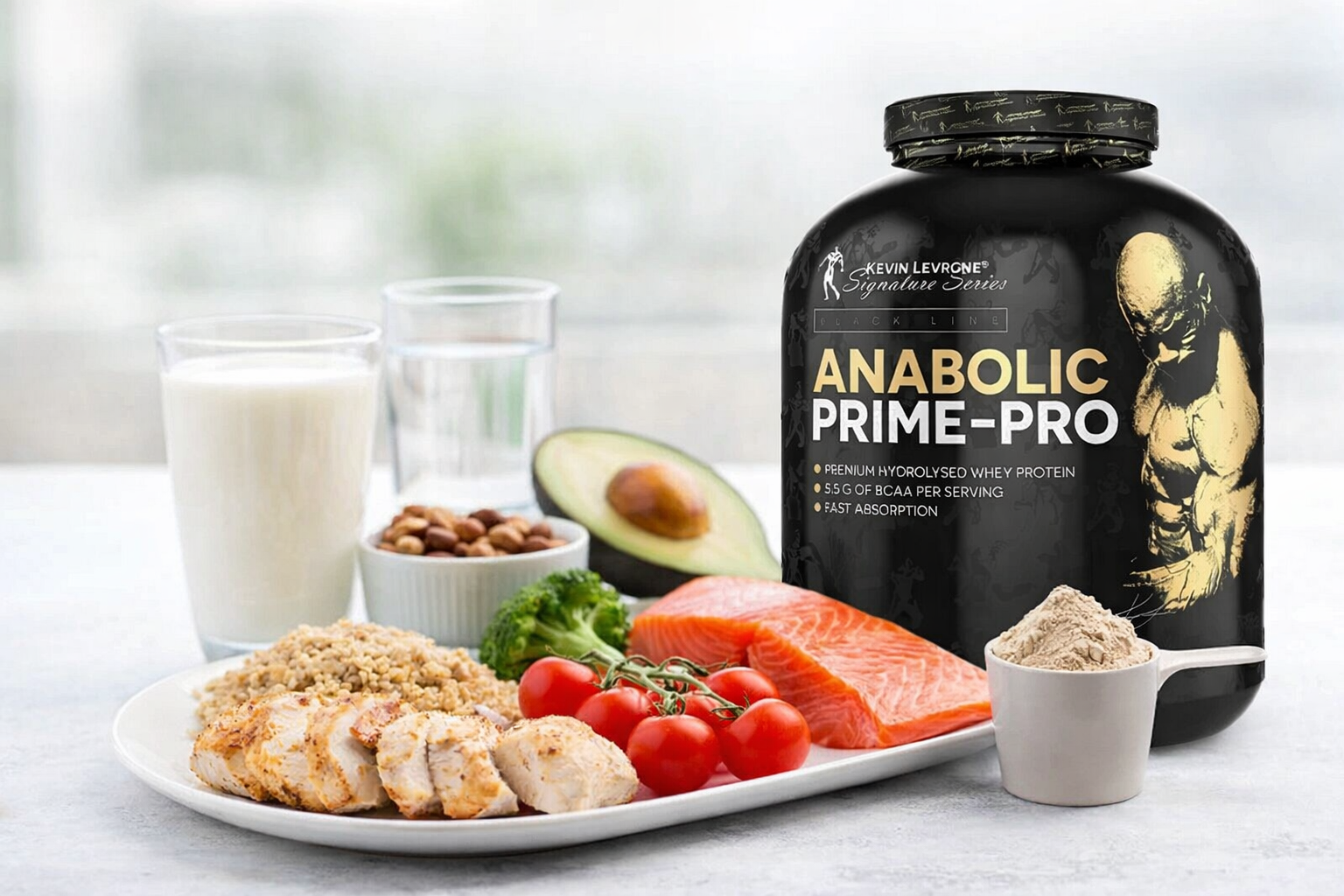

A balanced diet needs enough protein. Not every meal delivers that. This is where whey protein concentrate fits into a balanced diet. It helps you meet daily protein needs without complicating your routine.
Understanding a Balanced Diet and Protein Needs
A balanced diet includes carbohydrates, healthy fats, and proteins. Protein is needed for muscle repair and other body functions. The recommended intake is about 0.8g per kilogram of body weight. For example, a 70kg person needs roughly 56g of protein per day. You can get this from foods like milk, yogurt, meat, eggs, or beans. If those meals fall short, adding a scoop of whey protein concentrate can help boost your intake.
Does whey protein concentrate help meet protein needs? Yes, it provides extra protein to help you reach your daily goals. It’s simply milk protein. In moderation, it can be a healthy part of your diet. Whey retains nutrients found in milk. You can use it any day; on rest days, it just adds protein and supports recovery. It won’t bulk you up on its own.
See More: The Importance of Protein in a Balanced Diet
How Whey Protein Concentrate Supports Daily Protein Intake
Whey protein concentrate is about 70–80% protein by weight. Each scoop (20–25g) gives a solid dose of protein along with a bit of lactose and fat. It delivers all the essential amino acids and is rich in branched-chain amino acids like leucine. Leucine especially signals muscle protein synthesis. Whey protein is also absorbed very quickly, so a post-meal shake sends protein to your body fast.
-
Complete protein: Has every essential amino acid.
-
High leucine: Boosts muscle repair and growth.
-
Fast absorption: Digests faster than most proteins.
-
Carbs & fat: Contains some natural carbs (lactose) and fat. For example, 100 calories of concentrate provides ~18g protein, 3.5g carbs, and 1.5g fat.
Many protein supplements on the market use whey protein concentrate. These come as flavored powders or unflavored mixes. Because concentrate contains more of milk’s natural fats and sugars, it usually tastes creamier and costs less than isolate. For instance, supplements like Anabolic Prime Pro use whey concentrate as a key ingredient to help athletes meet their protein needs.
Role of Whey Protein Concentrate in Muscle Maintenance
Whey concentrate helps preserve and rebuild muscle. After exercise, muscles break down protein; whey provides the amino acids to rebuild them. It essentially provides the building blocks and hormones needed for growth. Its high leucine content triggers muscle protein synthesis. In short, whey concentrate makes it easier for your body to repair muscle damage and stay strong over time.
Even on non-workout days, having enough protein (via diet or whey) prevents muscle loss. This is important for aging adults or anyone losing weight. Whey protein concentrate is a quick way to ensure your daily protein supports muscle maintenance.
Whey Protein Concentrate vs Isolate in a Balanced Diet
Whey concentrate and isolate are both high-quality proteins, but they differ slightly. Whey isolate is processed more, yielding about 90% protein and almost no lactose or fat. Whey concentrate is around 70–80% protein, with more natural sugar (lactose) and fat. Both supply the same essential amino acids, but Isolate delivers a bit more protein per scoop.
For most people, concentrate is great for everyday use. It’s cheaper and has good flavor. A 100-calorie scoop of concentrate gives ~18g protein, whereas isolate gives more protein and basically 0g fat/carbs. If you have no lactose issues and need calories, concentrate works well. If you need minimal carbs or fat, an isolate is an option.
Whey protein concentrate vs isolate for daily diet: Both help you reach protein targets. Concentrate’s extra carbs and fats add some calories, but its taste and cost are advantages. If daily convenience matters, Concentrate is a fine choice.
Compared to plant proteins, whey builds muscle a bit faster. Both fit into a balanced diet; the key is meeting your total protein need.
Integrating Whey Protein Concentrate into Meals and Snacks
It’s easy to mix whey concentrate into your routine:
-
Smoothies/Shakes: Blend a scoop into milk or yogurt with fruit. This makes a quick, protein-rich breakfast or snack.
-
Breakfasts: Stir whey into oatmeal, porridge, or scrambled eggs for extra protein.
-
Lunch/Dinner: Add unflavored whey to soups, curries, or stews. It boosts protein without altering flavor much.
-
Baking & Snacks: Include whey in pancake or muffin batters, or homemade energy balls.
Basically, how to use whey protein concentrate with meals is to blend or stir it into foods. This way, you keep meals balanced and add protein at the same time.
Whey Protein Concentrate for Different Health Goals
-
Weight Management: High protein makes you feel full. Is whey protein concentrate good for weight management? Many people find it helpful; it helps curb appetite and preserve muscle when cutting calories.
-
Weight Gain/Muscle Gain: If you’re trying to gain muscle, whey concentrate can help by providing extra protein and calories. With training, it helps build lean muscle (so the scale may go up as muscle).
-
Meeting Nutritional Gaps: Beyond weight goals, whey can fill gaps. If your normal meals are low in protein, adding whey ensures you get enough amino acids each day.
Who Benefits Most from Whey Protein Concentrate
Anyone needing extra protein can benefit. It’s popular with athletes and gym-goers for fast recovery. It helps vegetarians who eat dairy meet protein targets. Busy people or older adults who struggle to eat enough protein also find it useful.
For instance, if your traditional meals (like roti and daal) aren’t hitting your protein goals, a whey supplement can help balance your diet. It’s not just for bodybuilders; it’s a handy support for anyone on a balanced diet who needs protein support.
Conclusion
Whey protein concentrate supplements are a simple, effective way to increase protein in a balanced diet. It delivers complete protein with all essential amino acids, and helps your body repair and maintain muscle. When used correctly, it complements whole foods and helps you meet daily protein needs, whether you want to build, lose, or maintain weight.
FAQs
Can whey protein concentrate help fill nutritional gaps in my diet?
Yes. It adds high-quality protein (and some dairy nutrients) when your food alone isn’t enough.
Does whey protein concentrate contain carbs and fats?
Yes. It’s ~80% protein, and the rest (~20%) is mainly lactose and a bit of fat.
Does whey protein concentrate support muscle maintenance?
Absolutely. It supplies the amino acids (especially leucine) needed to repair and maintain muscle after activity.
Can whey protein concentrate help with weight management?
Yes. It’s filling and boosts metabolism. When you add whey, it can help you feel satisfied and preserve muscle during weight loss.
Does whey protein concentrate affect digestion or gut health?
Usually, it’s fine for most people. If you are lactose-intolerant, the lactose in the concentrate can cause mild discomfort. In that case, a whey isolate (almost no lactose) might be better.
Does whey protein concentrate support healthy metabolism?
High-protein diets can boost metabolism and reduce cravings. So yes, including whey concentrate (more protein, fewer simple carbs) can help support a healthy metabolic rate.
Share:
How Plant-based Protein Supports Long-term Health and Longevity
How Whey Protein Isolate Fits into Keto and Low Carb Diet