

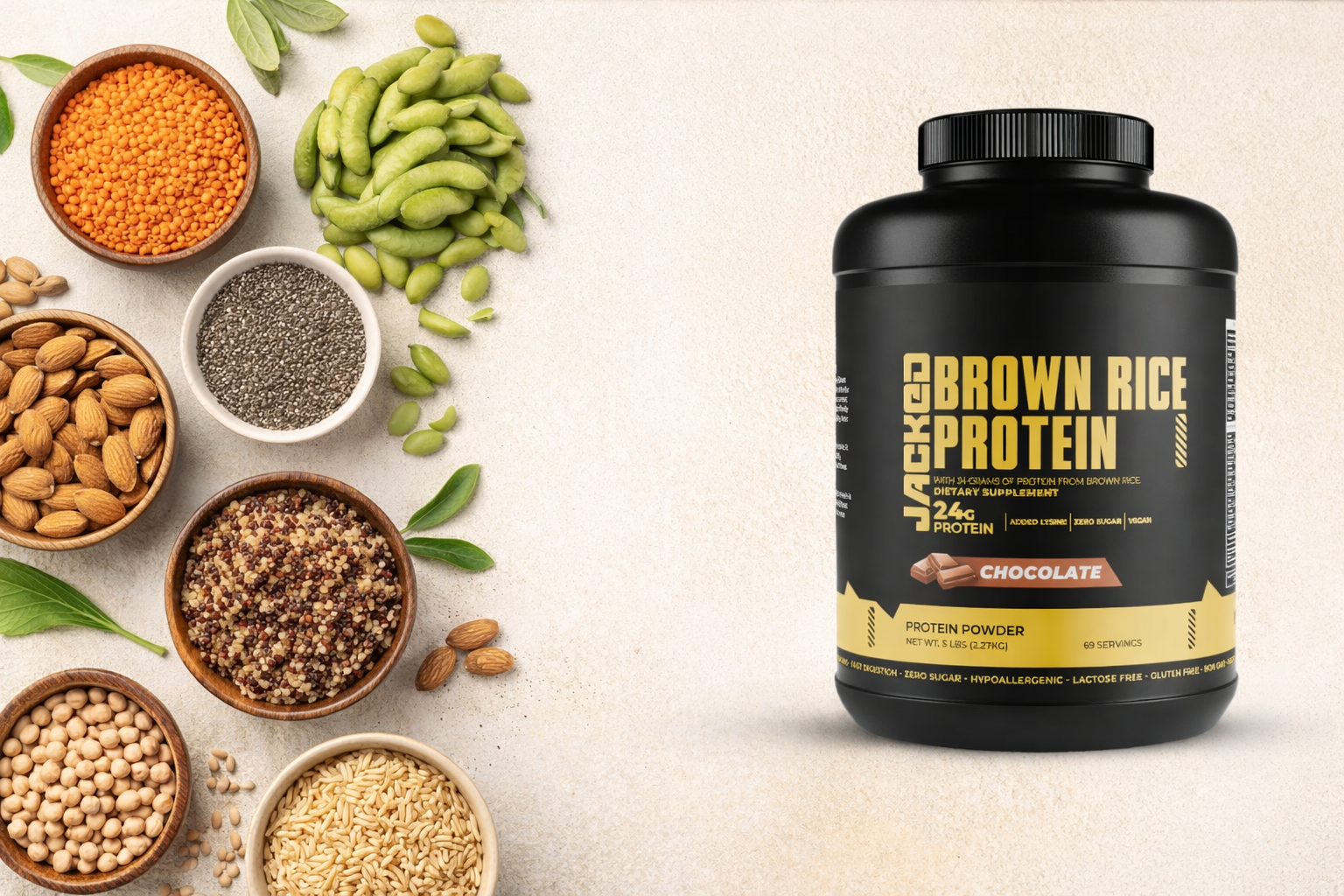

People often think protein is just about muscles, but how plant-based protein supports health and longevity goes much deeper than that. From heart health to better digestion and aging support, plant proteins offer benefits that last far beyond the gym.
What is Plant-based Protein and Why Does it Matter
Foods like beans, lentils, tofu, nuts, and seeds are some of the most common sources of plant-based protein. These plant foods not only provide protein but also fiber, vitamins, and antioxidants. Many experts list beans, lentils, tofu, peas, nuts, and whole grains as the best plant-based protein sources for health.
These sources are naturally low in saturated fat and have no cholesterol, making them heart-friendly. Plant proteins matter because they come with extra nutrients that support overall health while avoiding some downsides of meat-based proteins.
Understanding Longevity and Long-term Health
Eating more plant protein is linked with better long-term health. Studies suggest plant-based diets can reduce chronic disease risk and even increase lifespan. For example, people who got most of their protein from plants (instead of meat or eggs) had a 13–24% lower risk of death over 16 years.
This indicates that plant protein is good for longevity; it may improve lifespan by protecting the heart and other organs. Overall, diets high in plant protein can support immune function and fight disease, helping people live longer and healthier.
Role of Plant Protein in Heart Health
Plant protein offers clear benefits for the heart. It is inherently low in saturated fats (unlike most animal proteins), so it doesn’t raise cholesterol. Replacing meat with beans, nuts, or soy can help lower LDL cholesterol and blood pressure.
In fact, research found that people eating the most plant protein had a roughly 19% lower risk of cardiovascular disease than those eating mostly animal protein. These plant sources also deliver fiber, healthy fats, and antioxidants that protect blood vessels.
In short, one of the benefits of plant protein for heart health is reducing the risk of clogged arteries and heart attacks by improving blood lipid levels and reducing inflammation.
Plant-Based Protein and Healthy Aging
As we get older, maintaining strength and vitality is key, and protein plays a big role. Plant protein can support aging bodies, too. Seniors still need plenty of protein to prevent muscle loss, and getting it from plants works when done right. Strength training plus higher protein intake (even from plants) helps rebuild muscle.
While animal proteins are complete, you can combine plant foods (like rice and beans) to cover all amino acids. Many nutritionists say that with enough calories and a mix of plant foods, a plant protein diet can support muscle as you age. It also tends to keep bones and other tissues healthier by reducing body weight and inflammation (which helps older people stay active and independent).
See Also: The Rise of Plant-Based Protein in Sports Nutrition
Impact of Plant Protein on Gut Health and Digestion
Plant proteins tend to come with fiber and natural digestive aids. Fiber slows digestion slightly, which helps keep blood sugar steady and keeps you full longer. That fiber also feeds the good bacteria in your gut, improving overall gut health. In practice, many people find plant protein easier on the stomach than heavy meats; it’s often gentler and causes less bloating for some.
So, does plant-based protein improve gut health? Generally, yes: by providing prebiotic fiber and less saturated fat, it supports a healthy microbiome and smoother digestion.
Plant-Based Protein for Muscle Maintenance
Keeping muscle mass is important at any age. Protein (plant or animal) is needed to build and repair muscle, especially after workouts. Plant proteins can absolutely help maintain muscle if you eat enough.
One strategy is to eat a variety of plant foods (for example, combining legumes with grains) to get all the essential amino acids. You may hear the phrase plant-based protein vs animal protein, and it’s worth noting that each has strengths. Animal protein is easily absorbed, but plant proteins have extra nutrients.
Many athletes and seniors use plant-based powders (pea, hemp, soy, or brown rice) as supplements. For example, vegan protein powders often combine pea and brown rice protein to make a complete profile. Adding plant protein and resistance exercise can significantly aid muscle growth in older adults.
Plant Protein and Inflammation Reduction
A plant-based diet is naturally anti-inflammatory. The vitamins, phytochemicals, and antioxidants in plants help neutralize free radicals and calm inflammation in the body. This means that plant protein and inflammation reduction go hand in hand.
Eating more whole plant foods (like beans, vegetables, fruits, and nuts) floods your system with compounds that “resolve inflammation”. Over time, this lowers chronic inflammation, which protects against diseases linked to inflammation (like heart disease, diabetes, and arthritis).
Lifestyle Benefits of Plant-Based Protein
Choosing plant proteins often aligns with other healthy habits. For example, plant-protein meals (think chickpea curries, bean soups, tofu bowls) tend to be higher in fiber and lower in calorie density than meat-heavy meals, which can aid in weight management.
Many people also find plant proteins more sustainable and environmentally friendly (though this is a bonus outside of health). Importantly, most plant protein sources (beans, lentils, quinoa, nuts, and seeds) are also budget-friendly and versatile.
Supplements like brown rice protein or pea protein are available for convenience. These products let vegans or busy folks meet protein needs without dairy or meat.
In daily life, plant proteins tend to manage cholesterol and blood sugar better: their fiber content helps stabilize blood sugar levels, and they contain no dietary cholesterol and very little saturated fat.
Altogether, adding plant protein into your lifestyle not only nourishes your body but can simplify healthy eating and support long-term wellness.
Final Thoughts
Plant-based protein offers a win-win for health and longevity. It delivers all the building blocks your body needs while also packing fiber, vitamins, and antioxidants. It reduces saturated fat and adds beneficial nutrients. So, it helps to protect the heart, control weight, ease digestion, and even slow down aging processes. With a varied diet and a bit of planning (for example, mixing different plant foods or using pea/rice protein powders), you can fully meet your protein goals on a plant-based plan.
FAQs
How does plant-based protein support long-term health?
It supplies essential nutrients, fiber, and healthy fats that improve heart health, lower inflammation, and help control weight.
Is plant-based protein better for longevity than animal protein?
Many studies suggest diets higher in plant protein (instead of meat) are linked to longer lifespan and lower risk of disease.
Can plant-based protein help reduce chronic disease risk?
Yes. Diets rich in plant protein (beans, nuts, grains) are associated with a lower risk of heart disease, diabetes, and other chronic conditions.
Is plant-based protein easier to digest long term?
Often yes. Plant proteins contain fiber, which slows digestion gently and can be easier on the digestive system for many people.
Can plant-based protein support overall lifespan and vitality?
Yes. By improving heart health, reducing inflammation, and supporting weight control, plant proteins help people stay healthier and more energetic over the years.
Is plant-based protein suitable for daily protein needs?
Absolutely. With a variety of sources (legumes, soy, grains, seeds) or supplements (pea/rice powders), you can easily meet daily protein requirements.
Can plant-based protein help manage cholesterol and blood sugar levels?
Yes. Plant proteins contain no dietary cholesterol and are rich in fiber, which helps lower LDL cholesterol and keeps blood sugar more stable.
Share:
Understanding Calories, Macros, and Micronutrients in Mass Gainers
How Whey Protein Concentrate Fits into a Balanced Diet