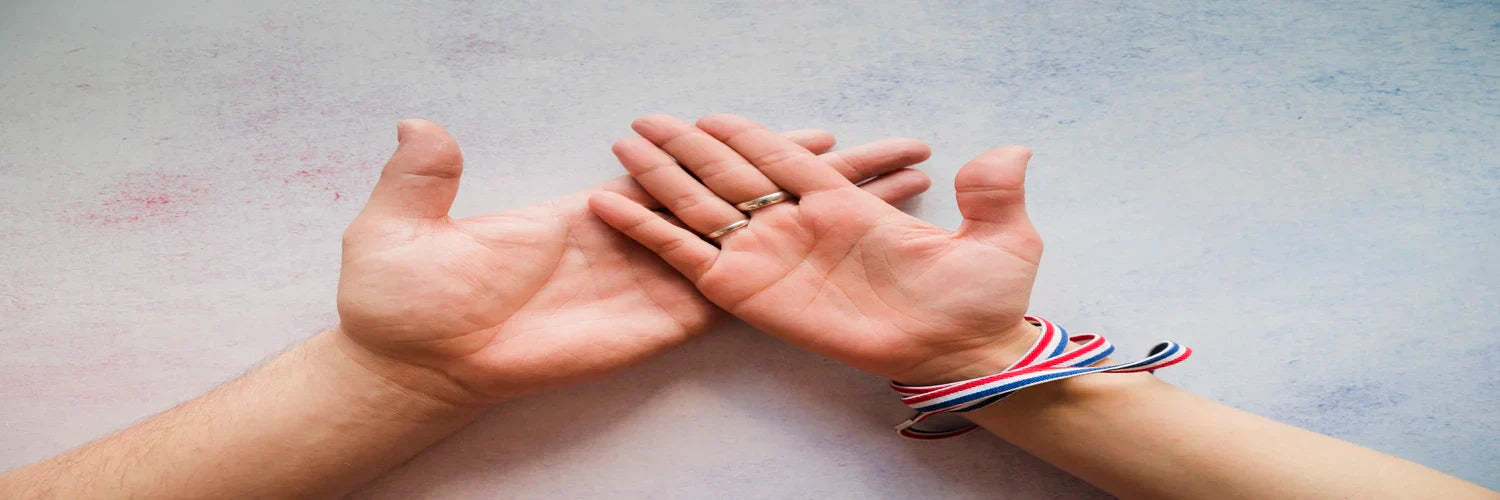

Have you ever tried doing everyday tasks with your other hand? It may feel odd, but there are real non-dominant hand training benefits to this habit. We naturally favor one side for writing, eating, or lifting, and experts warn that this constant bias leads to muscular imbalances.
Over time, the dominant side tightens and grows stronger while the other stays weaker. By intentionally using your non-dominant hand, you encourage your body to rebalance. Even small changes can push your body toward better symmetry, supporting improved balance, posture, and overall strength.
Why Try Using Your Non-Dominant Hand?
Switching hands may feel silly at first, but it directly targets one-sided habits. Physical therapists often notice that overusing the dominant arm pulls the shoulder forward or down, which is why one shoulder may sit higher or feel tighter. This is simply your body adapting to repeated use on one side. Sports science also warns that this kind of functional asymmetry can raise injury risk when the weaker side suddenly has to handle more load.
Using your other hand for small daily tasks is an easy way to fix this. Simple actions like brushing your teeth, drinking coffee, or texting with your non-dominant hand force the weaker side to engage. Over time, this helps your brain and body share the workload more evenly and reduces the tightness and imbalance caused by one-sided routines.
What Is the Non-Dominant Hand?
Your non-dominant hand is the one you use less often. For most people, that’s the left hand, while left-handed individuals have the opposite setup. Each hand is controlled by the opposite side of the brain, and research shows the dominant hand is better at precise tasks, while the non-dominant hand supports stability.
Because we rely mostly on the precision side, the other hand doesn’t get much attention. When you start using your non-dominant hand more, you’re signaling your brain to engage that side too, helping both hands contribute more evenly.
How Using Your Non-Dominant Hand Activates the Brain
Every time you make your other hand take over a task, your brain faces new wiring challenges. Think of it as a free brain training exercise for adults. Studies show that even short-term practice with the non-dominant hand forms fresh neural connections. While it doesn’t make your whole brain smarter, it rewires the motor circuits for that specific task.
Using your weaker side feels mentally fresh because you’re retraining your nervous system. Daily routines turn into coordination and motor skills exercises for the underused hand. Each time you write or reach with it, you strengthen the mind–muscle link. Over weeks, this improves your brain’s control of both sides, sharpening fine motor skills and coordination.
Benefits of Using Your Non-Dominant Hand
What do you get from all this? A more balanced body and some extra brain work. Using your non-dominant side evens out strength and coordination, waking up the lazy side, and builds neuromuscular awareness.
You’ll likely move more symmetrically and feel steadier. Mentally, it’s like solving a mini puzzle each time. These are essentially mind-muscle connection exercises; you focus on the weaker side, training your body to fire those neurons more effectively.
How It Improves Balance & Stability
Training your less-used side can directly enhance overall balance. Remember the shoulder example? If one side is stronger, you naturally lean that way to compensate. By practicing balance tasks with the other side, you correct that bias.
In daily life, this means using your other hand or foot teaches your body to share weight and effort more evenly. This type of practice fits perfectly into balance and stability training. Over time, you improve balance and posture naturally, as your center of gravity stays more centered. Walking, lifting, and even standing feel more stable, and balanced muscle use also lowers the risk of strains or sprains.
SEE ALSO: The essence of balance, Mind, Body & Soul
Posture Benefits Most People Don’t Realize
Believe it or not, better posture is a hidden benefit of this practice. When one side dominates, it can slowly pull your shoulders, spine, and hips out of alignment, leading to issues like neck pain or a tilted pelvis. This often happens because certain muscles get overworked while others stay underused.
When you start engaging your weaker side as well, it helps “reset” these imbalances. Using both sides in everyday movements relieves tight muscles and strengthens the neglected ones. Over time, this naturally supports posture improvement exercises at home.
Even simple actions like brushing or reaching with alternate hands encourage better alignment. As both sides grow stronger together, your posture improves; your shoulders level out, your back feels straighter, and your body moves more symmetrically.
Strength & Muscle Control Benefits
There’s also a clear strength benefit. When one arm is noticeably weaker, any lift becomes uneven. Training the non-dominant hand helps fix this imbalance. Unilateral exercises, where one arm or leg works at a time, are especially effective.
Moves like one-arm rows force the weaker side to work on its own. Research shows that starting sets with the weaker side and then matching reps on the stronger side helps restore strength balance over time.
This helps balance your muscles while strengthening the non-dominant side. Focusing on that side improves your mind-muscle connection, as you pay closer attention to form and muscle engagement during each rep. Many coaches include this in their functional strength training tips, emphasizing the importance of training the weaker side.
Simple moves like one-handed push-ups or single-leg squats help weaker muscles catch up over time. As a result, grip strength, dexterity, and overall control improve, leading to more balanced power in daily movement.
Simple Ways to Train Your Non-Dominant Hand Daily
Want practical steps? Here are some easy habits to try:
-
Everyday swaps: Do simple tasks with your non-dominant hand, like brushing your teeth, opening doors, or carrying a mug. These small changes act as gentle coordination drills.
-
Eating and drinking: Use your other hand for sipping drinks or using utensils. It may feel awkward, but it’s an easy, low-pressure way to improve strength and coordination over time.
-
Writing and tools: Write short notes, use your mouse, or handle tools with your weaker hand. Turning daily tasks into coordination and motor skills exercises makes them useful practice.
-
Gym moves: Add one-sided lifts like single-arm presses or rows, starting with your weaker side. Focus on the mind muscle connection rather than heavy weight.
-
Balance drills: Practice standing on one leg or shifting weight side-to-side, emphasizing control on the non-dominant side for better balance and stability.
Can Supplements Support Brain & Muscle Coordination?
You might wonder if there’s a supplement that speeds this up. There isn’t a pill that directly strengthens the brain–hand connection. Real improvements come from consistent practice. That said, nutrition can support overall brain and muscle health.
Nutrients like omega-3s and B vitamins are linked to better cognitive function, which can indirectly aid coordination and learning. Creatine, commonly used for strength, has also shown benefits for memory and attention. The key takeaway is that supplements support the process, but they can’t replace hands-on practice.
Final Thoughts
Training your non-dominant hand isn’t about becoming ambidextrous overnight. It’s a gradual way to undo the habits your body has built over time. Each time you switch sides, you give the weaker side a chance to catch up, helping your body move and lift more evenly. You may notice better posture, smoother movement, and growing confidence on that side. True strength isn’t just about lifting more; it’s about moving well and staying balanced.
So next time you reach for something, try switching hands. Pick up your phone with the other hand or change sides for a week. What starts as an awkward habit can lead to better posture, steadier balance, and a stronger mind–muscle connection. In the end, it’s about teaching your whole body to work together.
FAQs
What happens if I start using my non-dominant hand?
At first, things will feel clumsy and slow. Your weaker side simply hasn’t practiced those tasks. But with a bit of practice, you’ll see improvements.
Can using my left hand improve my balance?
Yes, because it helps your body become more symmetrical.
How long does it take to see benefits from non-dominant hand exercises?
You may notice small changes within days to weeks.
Share:
From 2,000 Rupees to Pakistan’s #1 Sports Nutrition Brand: The Jacked Nutrition Story
Can Protein Shakes Replace Real Food? The Truth Pakistani Lifters Need to Know (2026 Guide)