

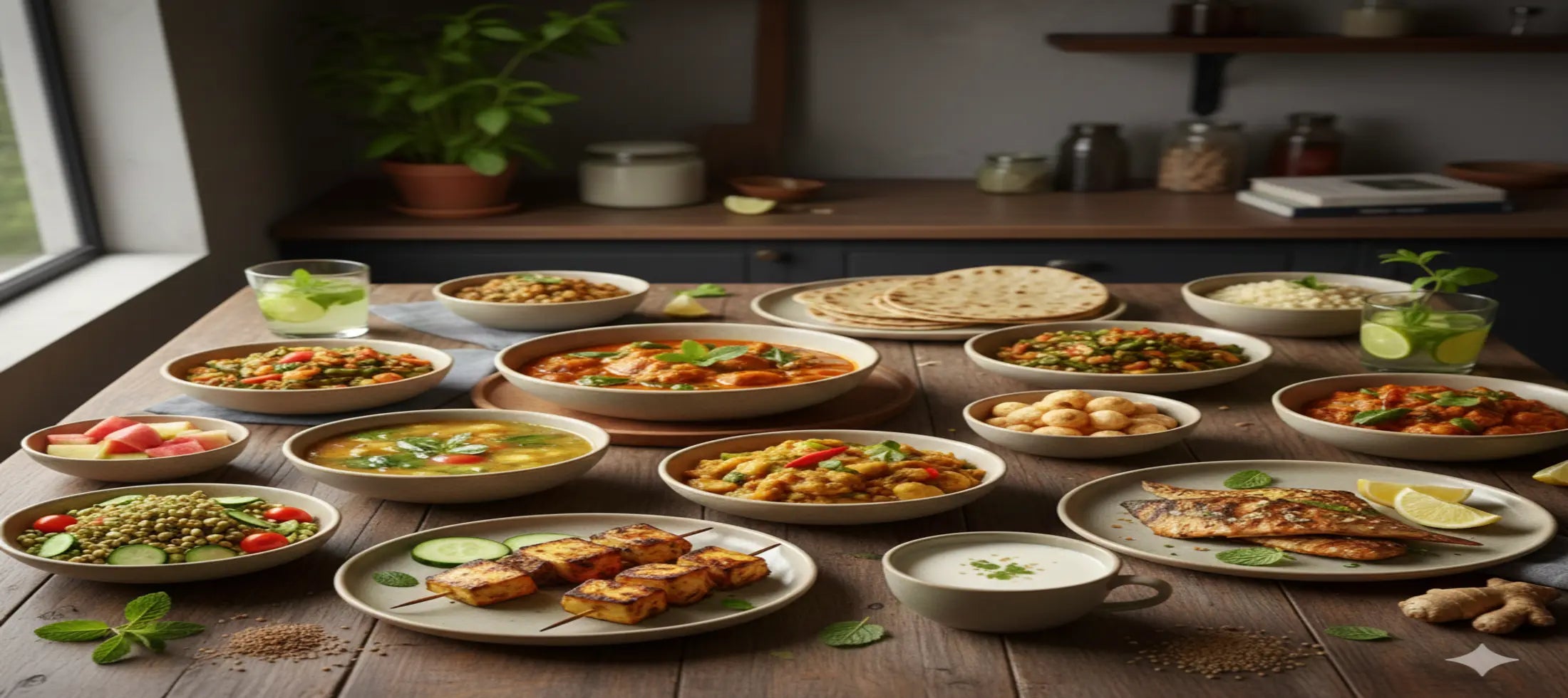

As we enter our 30s, our bodies change: metabolism slows, and muscle mass can drop, making it easier to gain weight on the same diet. That’s why low-calorie desi foods for weight loss are so valuable. They help curb hunger and add volume to meals.
For example, starting meals with spicy green chilies or a squeeze of lemon can make bland foods tastier and more filling, while warm chicken yakhni (broth) or a cup of tea can quiet cravings. Combining these appetite control foods with lean proteins and veggies is a key strategy for healthy eating in your 30s.
Why Appetite Control Becomes Harder in Your 30s
After age 30, you simply burn fewer calories at rest. This metabolic slowdown is partly due to lost muscle: less muscle means a slower metabolism, so you don’t need as much food. At the same time, many people’s lives get busier; careers, families, and stress can make it harder to eat well.
High stress raises cortisol, which in turn can trigger cravings and fat storage. Poor sleep also plays a role: inadequate sleep disrupts hunger hormones (it lowers leptin and raises ghrelin), causing you to feel hungrier the next day.
All together, these shifts mean the same meals that kept you fit in your 20s may lead to weight gain in your 30s, unless you make some changes.
How Low-Calorie Desi Foods Help You Stay Full
Low-calorie foods that are rich in water, fiber, or protein help control hunger while keeping your calorie intake in check. Water-dense vegetables naturally add volume to meals, helping your stomach feel full without adding extra energy. Their soluble fiber slows digestion, which keeps you satisfied for longer and reduces the urge to snack.
Leafy vegetables are another smart choice because they provide bulk and fiber with very few calories. You can eat generous portions without guilt, making them ideal for weight management and digestive health.
Starting meals with a warm, light broth or liquid-based preparation is a proven strategy for reducing overall calorie intake.
Even simple beverages like unsweetened teas can play a role in appetite regulation. Natural compounds and mild caffeine found in these drinks may gently suppress hunger while supporting appetite control. At the same time, they provide hydration, making them a useful addition to a balanced, calorie-conscious eating routine.
What Makes a Food Appetite-Controlling?
Appetite-control foods share a few traits. They tend to be low in calories but high in volume or satiating nutrients. Fiber and water bulk up the food in your stomach, giving a sense of fullness. Protein is also important: foods like egg whites are low in calories, but high in protein, and protein is known to reduce hunger naturally more than carbs or fats.
Spices can play a role too. Capsaicin in green chilies slightly raises body temperature and metabolism, which can help burn calories and may blunt appetite. Similarly, sour tastes (like lemon or vinegar) slow stomach emptying a bit and can trick your brain into feeling satisfied.
In general, the best foods for appetite control are those you can eat in volume without loading up on energy, think watery veggies, spicy herbs, and lean proteins.
Desi Low-Calorie Foods to Control Appetite
The following are 15 desi-friendly options that are low in calories and help you feel full. Each one has a special appetite-crushing trick:
-
Green chilies / red mirch: Spicy foods slow down eating and slightly boost metabolism, helping control hunger.
-
Lemon (nimbu): Adding lemon to food or water enhances satisfaction with almost no calories.
-
Black coffee: A calorie-free drink that can suppress appetite and reduce cravings between meals.
-
Green tea / qahwa: Unsweetened green tea curbs appetite and supports light fat burning.
-
Diet soda: Can satisfy sweet cravings without calories when used occasionally.
-
Yakhni / clear chicken soup: Warm, protein-rich broth fills the stomach and promotes fullness.
-
Shirataki noodles: Extremely low-calorie noodles that add volume and keep you full longer.
-
Sugar-free jelly: A low-calorie dessert option that satisfies sweet cravings.
-
Kheera (Cucumber) with chaat masala: Hydrating, crunchy, and filling with minimal calories.
-
Sirka (vinegar): Enhances flavor and may slow digestion without adding calories.
-
Palak/lettuce/cabbage: High-volume, fiber-rich diet foods for people in their 30s that promote fullness.
-
Egg whites: A high-protein, low-calorie option that keeps hunger away for longer.
-
Sugar-free chewing gum: Helps reduce boredom snacking with almost no calories.
-
Air-popped makai: High-fiber, low-calorie snack that feels filling without oil.
-
Zeera water: A low-calorie drink that supports digestion and mindful sipping.
Best Time to Eat These Foods for Appetite Control
Timing can make these foods even more effective.
-
Starting meals with soup or salad helps you feel fuller during the main course.
-
Green tea or black coffee mid-morning can control hunger until lunch.
-
Fruit or carrot sticks in the afternoon help prevent sugar cravings.
-
For late-night hunger, sugar-free gum or warm jeera water can help curb urges.
Overall, pairing these foods with meals or snacks, rather than only at the end, helps spread out their hunger-busting effects through the day.
Common Desi Eating Mistakes That Increase Hunger
Several familiar habits can actually backfire on appetite control.
-
Constant grazing throughout the day can increase hunger instead of reducing it.
-
Relying on refined carbs with little protein or fiber leads to quick hunger crashes.
-
Eating too fast prevents your brain from recognizing fullness in time.
-
Skipping meals can cause stronger hunger later in the day.
-
Excess oil or butter in desi cooking adds calories without improving fullness.
Simple Portion Control Tips for Pakistanis in Their 30s
-
Use smaller plates or bowls so your servings look larger.
-
Fill half your plate with vegetables or salad first, a quarter with lean protein (grilled chicken, daal, etc.), and a quarter with starch (rice or roti)
-
Slow down at meals: take bites, chew well, and sip water between mouthfuls.
-
Drinking a glass of water 10–15 minutes before eating can give you a head start on fullness.
SEE ALSO: Quantity and Quality of Weight Loss Food Portions
Conclusion
Controlling appetite in your 30s is definitely harder than it was in your 20s, but it’s still very doable with the right choices. Including these appetite control foods in Pakistan, spicy greens, tangy lemons, hydrating salads, and lean broths, can help you stay full on fewer calories.
Remember, healthy eating after 30 in Pakistan means focusing on nutrient-dense foods that satisfy. By choosing these low-calorie desi staples and avoiding overeating mistakes, you can manage cravings and reach your weight goals even as your body changes.
FAQs:
Why is weight loss harder in your 30s?
Metabolism naturally slows after 30, and muscle mass tends to decline, so your body burns fewer calories at rest.
How to eat desi food in a calorie deficit?
You can still enjoy your favorite desi dishes, just make smart swaps and watch portions. Eat the same traditional foods, but in smaller quantities and with more veggies, which keeps the taste while cutting total calories.
How many meals should I eat to control hunger?
There’s no one-size rule, but many find that fewer, balanced meals work better than constant snacking. The main focus is to include protein, fiber, and healthy fats at each meal to stay full longer.
Share:
Top 10 Collagen-Rich Foods to Include in Your Diet
How Whey Protein Supports Immunity and Daily Energy