

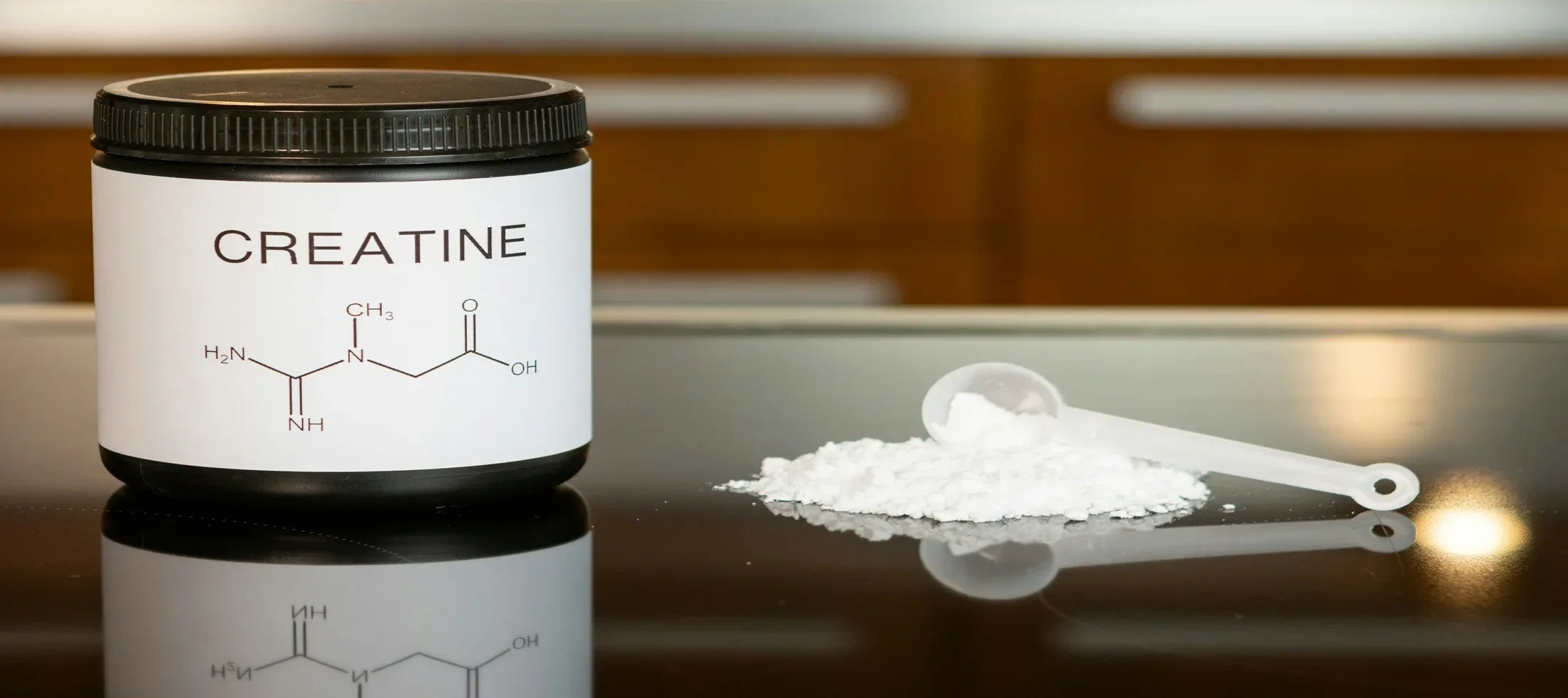
Does Creatine Harm Your Kidneys? It is a common gym rumor. The confusion comes mainly from creatine’s byproduct, creatinine, which is a standard marker doctors check for kidney function. When you supplement, your blood creatinine can rise, leading an uninformed reader to think, “Uh-oh, kidney problem.” However, higher creatinine, in this case, is simply because your body is processing extra creatine, not because your kidneys are failing.
Why Creatinine Levels Can Rise on Creatine
Understanding the creatine–creatinine story clears up a lot of myths. Creatine is a normal compound in muscles, and about 1–2% of stored creatine is converted each day into creatinine, which your body then filters out via the kidneys. Labs use blood creatinine to estimate kidney health; high creatinine usually means the kidneys aren’t clearing it well.
But if you’re taking creatine supplements, your creatinine will naturally go up, even if your kidneys are fine. One study explains that creatine use can transiently raise serum creatinine levels and mimic kidney disease, causing confusion. In other words, your blood test might look “worse,” but this is an expected effect of supplementation, not actual damage.
Several experts emphasize that this lab quirk has fooled people for years. As one source puts it, elevated creatinine in a creatine user is misleading. It reflects extra intake and metabolism, not kidney injury. Multiple long-term studies have shown that, despite raised creatinine, actual kidney function markers (like measured glomerular filtration rate or urine protein) stay normal.
What Science Really Says
When we look at the research, the story is reassuring for healthy people. A 2019 meta-analysis pooled results from multiple trials and found no significant changes in kidney markers with creatine use. Participants’ blood creatinine and urea levels stayed essentially the same on creatine versus placebo.
Another recent narrative review (2023) echoed this: it notes that although a few case reports hinted at kidney issues, well-designed clinical trials do not support the claim that creatine impairs kidney function.
A 2024 genetic study adds more weight. By analyzing genetic data (a Mendelian randomization study), researchers found no association between creatine levels and any measures of kidney function. This should reassure fitness enthusiasts worried about kidney damage.
Even sports medicine authorities back this up. For example, the International Society of Sports Nutrition reports that short- and long-term creatine (even up to 30 g/day for 5 years) is safe and well-tolerated in healthy individuals.
Myth vs. Fact: Clearing Up Misunderstandings
-
Myth: Creatine will harm your kidneys.
Fact: In healthy people, creatine has repeatedly not been shown to damage the kidneys. A large review found no kidney harm at all with normal supplementation, even at high doses. -
Myth: Any rise in creatinine means kidney failure.
Fact: That’s only true if your kidneys can’t clear creatinine. With creatine supplements, the rise in creatinine is expected and harmless. Studies clarify that this laboratory increase “does not necessarily indicate kidney dysfunction” when it comes from creatine supplements. -
Myth: You should never take creatine if you care about your kidneys.
Fact: If you are healthy, scientific evidence says creatine won’t hurt your kidneys. Guidelines and long-term trials show no dangerous effects for healthy adults. The only people typically advised to avoid extra creatine are those who already have kidney disease or other risk factors.
When Might Creatine Be Risky?
The caveats mostly involve who shouldn’t take it, not how you take it. Preexisting kidney disease is the big one. If someone already has chronic kidney problems, adding a supplement that raises creatinine might confuse diagnosis or add stress. Reviews explicitly advise that creatine should not be used by people with chronic kidney disease or those on nephrotoxic drugs. Doctors usually tell patients with kidney impairment to avoid creatine, since there’s no clear benefit for them, and safety hasn’t been fully studied in that group.
Other risk factors include dehydration and certain medications. Because creatine draws water into muscles, staying hydrated is important; in theory, severe dehydration plus creatine could strain the kidneys. Also, combining creatine with substances that stress the kidneys (like excessive NSAIDs or stimulants) isn’t wise.
Lastly, consult a doctor if you fall into special groups (kidney disease, diabetes, etc.). Most evidence on creatine safety comes from healthy adults; people with serious illnesses, under 18, pregnant or nursing women, or those on multiple medications should get personalized advice. But for most healthy fitness enthusiasts, creatine has an excellent safety record.
Tips for Using Creatine Safely
-
Stick to recommended doses. A daily dose of about 3–5 grams is sufficient for most people.
-
Stay well-hydrated. Drink water throughout the day.
-
Choose a quality creatine. Use pure creatine monohydrate from a reputable brand like Jacked Nutrition.
-
Some people experience minor stomach upset with a single large dose. Split doses if needed.
Conclusion
The claim that creatine hurts your kidneys is largely a myth for healthy individuals. Creatine supplementation does not damage normal kidneys. Elevated creatinine levels in blood tests simply reflect extra creatinine metabolism, not real kidney injury. Even very high supplement doses over the long term have shown no harmful effects on kidney function in controlled studies.
Creatine is one of the most studied, effective, and safe supplements out there. Used responsibly (3–5 g/day, quality product, enough water), it can boost your gym gains without fear of “killing” your kidneys. So don’t let the creatine kidney myth hold you back; the research shows you can supplement and keep your kidneys healthy at the same time.
FAQs:
How common is kidney damage from creatine?
Kidney damage from creatine is extremely rare in healthy people. Research shows that normal doses of creatine do not harm kidney function when hydration is maintained. Most cases of kidney problems linked to creatine involve people with pre-existing kidney disease or those using very high doses for long periods. Regular users who stick to safe limits and drink enough water generally face no such risks. It’s always best to monitor kidney health through routine tests if you use creatine long-term.
Who should avoid taking creatine?
People with kidney disease or those at risk of kidney issues should avoid creatine. It can put extra pressure on already weakened kidneys and worsen their condition. Individuals with liver disease, high blood pressure, or diabetes should also consult a doctor before using it. Pregnant or breastfeeding women and people under medical treatment for chronic illness should stay cautious. When in doubt, medical advice is always the safer choice.
Is creatine safe to take daily?
Yes, creatine is safe to take daily when used in the right dose. Studies show that 3–5 grams per day supports muscle strength and recovery without harming the kidneys or liver. Consistency matters more than cycling, so taking it daily helps maintain muscle creatine stores. The key is to pair it with enough water to support your body’s filtration system. Always choose a clean, tested supplement to ensure purity.
Why do doctors not recommend creatine?
Some doctors avoid recommending creatine because they link it with misuse or high doses seen in gym culture. They may worry about dehydration, kidney strain, or the use of unverified supplements. In reality, clinical studies confirm creatine’s safety when taken responsibly by healthy adults. The hesitation often comes from caution rather than evidence of harm. Trusted, high-quality products and proper hydration make creatine a safe option.
At what age is it safe to take creatine?
Creatine is considered safe for adults aged 18 and above. Teen athletes should only use it under expert supervision after confirming their diet and training meet basic needs. Children should avoid it since their bodies are still developing and research in this age group is limited. For adults, it works best when paired with strength training and balanced nutrition. Always start with professional advice to ensure it suits your fitness goals.
Share:
Omega-3 Supplements: Are They Really Good for the Brain?
How to Choose the Right Supplements for Teenagers