
When you’re trying to lose fat, the biggest fear is losing hard-earned muscle along the way. That’s where how creatine supports lean muscle retention during fat loss becomes important to understand. Creatine doesn’t burn fat directly, but it helps your muscles stay strong, fuelled, and protected while you’re eating fewer calories. In simple terms, it helps you look leaner without looking smaller.
Understanding Fat Loss and Muscle Retention
Fat loss usually means a sustained calorie deficit; eating fewer calories than you burn. This will melt body fat, but if you cut calories too drastically, your body may also break down muscle for fuel. The goal is to lose fat while keeping muscle intact. To preserve muscle mass during fat loss, it’s important to keep training with weights and eat enough protein. Supplements for strength can also help.
For example, when cutting, focus on protein and strength workouts so your body uses fat for energy. This is exactly what cutting plans do: reduce carbs and fat but keep protein high.
Creatine helps your muscles stay full of fuel so they don’t get broken down when dieting. These strategies, solid training, diet, and creatine, are how to preserve muscle mass during fat loss.
How Creatine Supports Strength
Creatine is essentially extra fuel for your muscles. It helps regenerate ATP, the immediate energy source, so you can handle quick, intense efforts. In practice, this means you can lift heavier weights or do more reps. For example, many bodybuilders ask can creatine improve strength while losing fat.
Because creatine boosts that burst of power, the answer is yes; it helps you maintain or even increase strength on a diet. Creatine provides quick burst energy that lets you lift as hard during a cut as you would with normal calories.
In fact, most experts recommend a small daily creatine dose even during cutting. A common creatine dosage for muscle retention during cutting is about 3–5 grams per day. This amount is enough to top up your muscle creatine stores and keep your energy high. Taking creatine consistently helps your workouts stay intense: you won’t lose your normal gym strength just because you’re dieting.
Role of Creatine in Preserving Lean Muscle
Creatine helps protect and preserve muscle fibers in several ways. First, it draws water into muscle cells. This extracellular water provides a cushion during intense exercise, reducing muscle stress. It also triggers cell-volumizing signals: a hydrated muscle cell is in a more anabolic state, which can increase protein synthesis and lower protein breakdown. In short, creatine creates a more muscle-friendly environment.
So, does creatine really prevent muscle loss on a calorie deficit or help retain muscle while cutting? In effect, yes. By keeping muscle cells full of both ATP and water, creatine makes it easier for your body to spare muscle tissue.
People using creatine often report less strength loss and a bit more fullness in their muscles after a cutting phase. These creatine benefits for lean muscle preservation, more energy, hydration, and recovery, help you keep more muscle while you burn fat.
Types of Creatine and Their Benefits
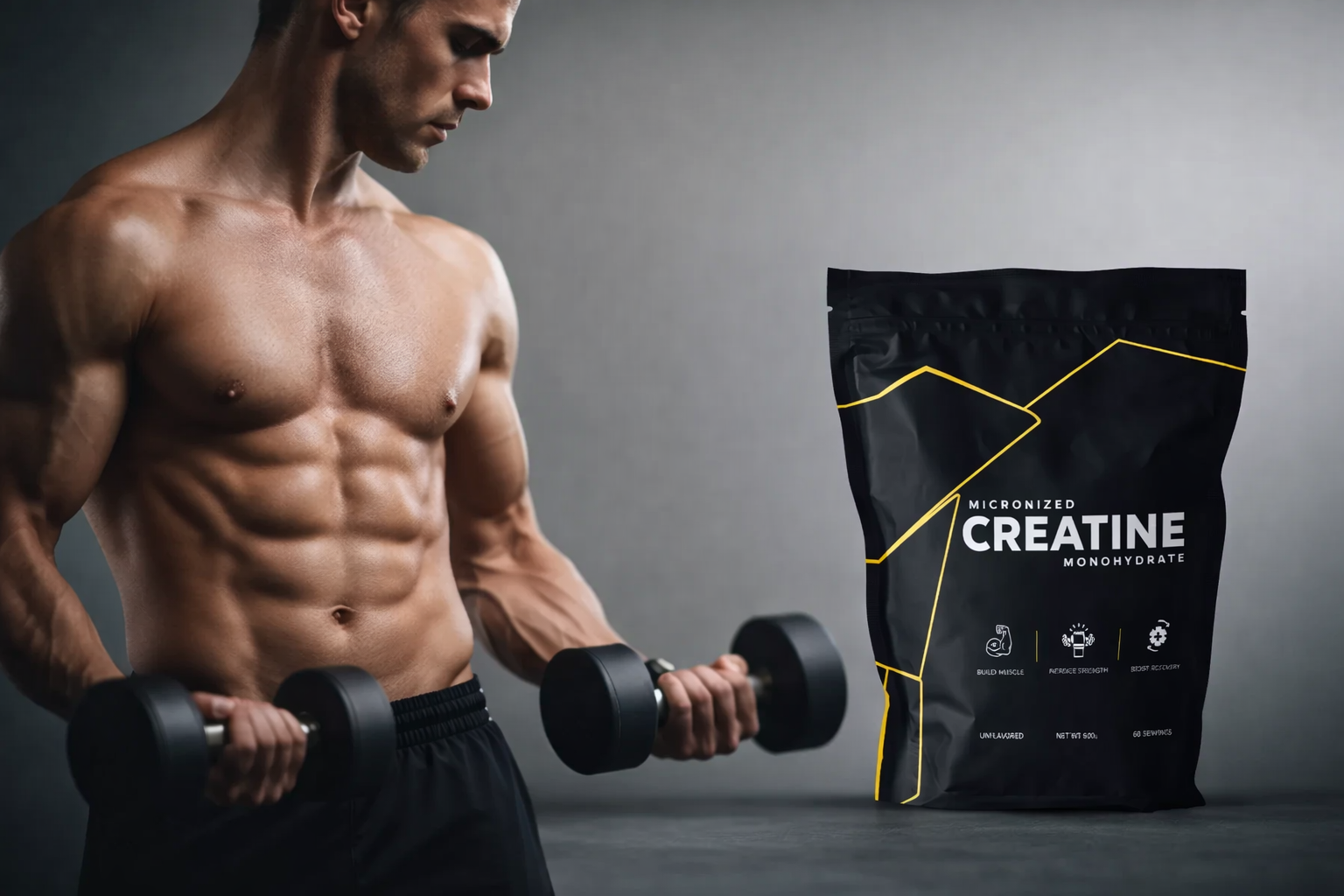
Creatine comes in many forms, but creatine monohydrate is the gold standard. It’s the most studied and widely used type. A popular variation is Micronized Creatine Monohydrate. This is just creatine monohydrate processed into finer particles for better mixing.
Both regular and micronized monohydrate have the same muscle and strength benefits; they just dissolve differently. Other versions exist (like creatine HCl, buffered creatine, etc.), but none have clearly outperformed monohydrate in preserving muscle.
When choosing supplements, consider types of creatine supplements for lean muscle maintenance. Monohydrate (especially micronized) is usually best; it’s safe, affordable, and effective.
Effects of Creatine on Workout Performance During Fat Loss
Creatine really shines in the gym. Your workouts often involve short, intense bursts (like lifting weights or sprinting). Creatine boosts performance in these efforts by rapidly regenerating ATP. Athletes use creatine for exactly this reason: it improves high-intensity power performance and speeds recovery.
So, can creatine support workout performance on a deficit? Absolutely. By replenishing energy for each rep, creatine lets you maintain workout intensity even when dieting. You’re more likely to hit the same weights or reps as before, which in turn helps preserve muscle.
In essence, creatine acts like a turbocharger for your workouts. Even on a cut, taking creatine can help you train nearly as hard as during normal dieting, thereby protecting more of your hard-earned muscle.
See More: Health and Performance Benefits of Creatine
Creatine and Hydration During Fat Loss
Creatine is well known to affect body water. It draws extra water into muscle cells. This can make your muscles look and feel fuller. Many people notice that creatine increases muscle fullness while cutting; for this reason, the cells swell with water. Importantly, this is intracellular water, so it doesn’t bloat you under the skin.
If you ask, does creatine cause water retention during cutting, the answer is: mostly inside muscles, not in fat or under-skin fluid. Any initial weight gain from creatine is due to this muscle hydration, not fat. In fact, cell swelling from creatine can signal your body to grow more muscle while dieting.
Because creatine pulls in water, you should drink plenty of fluids. Staying well-hydrated complements creatine’s effects. Drink lots of water to help creatine do its job and to avoid cramps or dehydration during your fat-loss plan.
Myths about Creatine during Fat Loss
-
Myth: Taking creatine will make you fat or look puffy.
Fact: Creatine mainly increases water inside muscle cells. This makes muscles look fuller (a “pump”) but doesn’t create extra fat. It actually helps preserve muscle definition, not hide it. -
Myth: You shouldn’t take creatine when cutting weight.
Fact: On the contrary, experts say creatine is fine, even helpful, on a cut. Using creatine while dieting can keep your workouts strong and spare muscle mass. -
Myth: Creatine is a banned or dangerous drug.
Fact: Creatine is not a steroid or illegal. It’s a natural compound and is allowed by sports organizations. Both men and women report benefits, and side effects are rare if you stick to normal doses.
Conclusion
Creatine is a safe, well-researched supplement that can be a valuable support in fat-loss phases. It doesn’t magically burn fat, but by fuelling your muscles, it helps you keep strength and size as you diet. To leverage creatine, take about 3–5 grams per day (monohydrate form), drink plenty of water, and continue lifting.
FAQs
How does creatine help retain muscle during fat loss?
It gives muscle cells more energy (ATP) and water, which protects fibers from breaking down during a calorie deficit.
What is the best creatine dosage for muscle retention?
About 3–5 grams per day is usually recommended for maintaining muscle on a cut.
Can creatine improve strength on a calorie deficit?
Yes. By boosting quick energy for your muscles, creatine lets you lift heavier or do more reps, helping you maintain strength even while dieting.
Does creatine cause water retention during cutting?
It mostly causes water retention inside muscles, making them look fuller. This is not the same as getting bloated under the skin.
Can creatine support endurance and performance while losing fat?
Creatine mainly boosts high-intensity efforts (like weightlifting or sprints). It helps those bursts of effort, which indirectly support overall training performance on a diet.
Which type of creatine is best for lean muscle preservation?
Creatine monohydrate (especially micronized) is the top choice. It’s the most studied, effective, and affordable form for preserving muscle and strength.
Who should use creatine for lean muscle retention?
Any healthy adult doing resistance training can benefit. It’s safe for most people, allowed in sports, and both men and women report gains in strength and muscle retention.
Share:
The Science Behind Periodization in Strength Training
How Stim Fat Burners Boost Energy and Workout Intensity