
As a fitness freak and a busy individual, you want every meal to meet your protein target. But sometimes it gets hectic, and humanly, it's not possible to be perfect at everything.
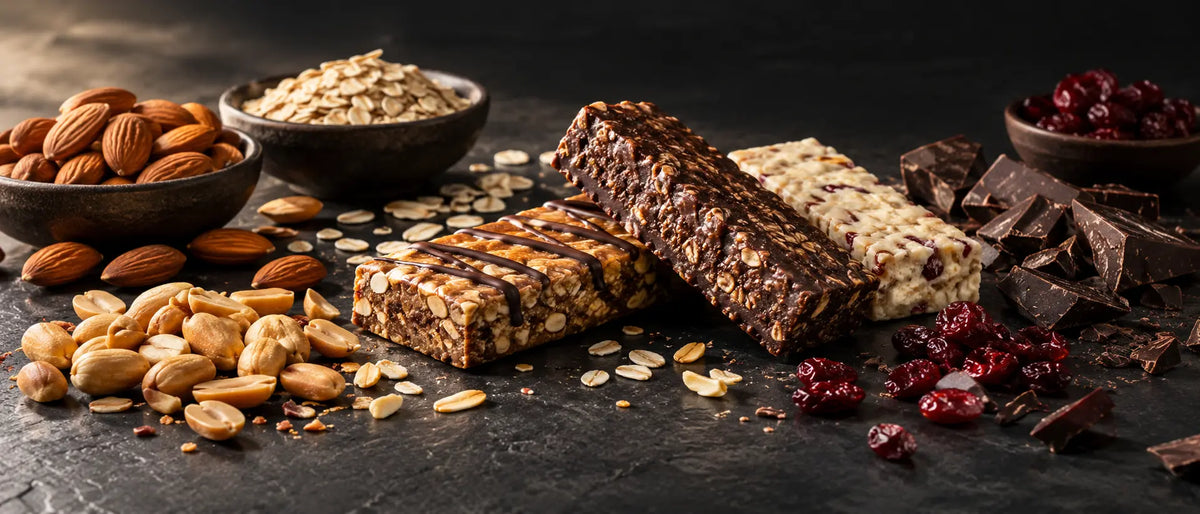
That's where being a smart worker comes in, not a hard one. Adding an alternative like a protein bar into your day can quietly add up a good amount of protein without demanding a full meal prep routine.
In this guide, you'll learn why active people rely on protein bars, when they're actually worth reaching for, what to check on the label, and how they fit into a bigger nutrition plan.
So let's dive in to uncover!
Why Do Active People Choose Protein Bars?
Life in Pakistan rarely slows down. Work, gym sessions, family responsibilities, and traffic all pull at your time. Sitting down for a full meal every few hours just isn't realistic for most people. That's exactly why protein bars have become a go-to snack for gym-goers, students, and working professionals alike.
Convenient Nutrition During Busy Days
A protein bar fits in your bag, your car, or your desk drawer. There's no plate, no fork, and no waiting. You just tear the wrapper and eat, right when hunger hits.
That's so simple. When your day is packed with back-to-back tasks, this kind of simplicity keeps you from skipping meals altogether. And skipped meals almost always lead to worse choices later, like grabbing fried snacks out of sheer hunger.
Supporting Daily Protein Intake
Most active people struggle to hit their daily protein target through meals alone. This is especially true on hectic days. A position statement from sports nutrition researchers points to roughly 1.4 to 2.0 grams of protein per kilogram of body weight each day for most exercising individuals. That range supports muscle repair and recovery.
Hitting that number through daal, chicken, and eggs alone can feel like a full-time job. A protein bar helps close the gap. It takes away the extra cooking and planning. If you want a deeper breakdown of how much protein you actually need and where it should come from, our guide on protein needs walks you through it step by step.
Keeping a Practical Snack Available
Having a protein bar on hand means you're never stuck between two bad options. You won't have to skip a meal or grab something greasy from the nearest shop just because nothing better is around. It's a practical backup, not a replacement for healthy food options.
So keep one or two in your bag at all times. That way, you're never caught off guard, whether you're at the office, at the gym, or stuck in traffic.
When Can Protein Bars Be Useful for Active People?
Exactly! Protein bars can actually be useful for active people because if a protein bar is providing you with around 20g of protein without added sugar, that’s a good add-on.
Between Meals
If lunch is running late or dinner is still hours away, a protein bar bridges the gap. It keeps your energy steady. It also stops hunger from spiraling into overeating once you finally sit down to eat.
Before or After Physical Activity
Many lifters and athletes reach for a bar shortly before training. It gives quick, usable energy without weighing them down. Others prefer one right after a workout to kickstart recovery.
Protein plays a direct role in repairing muscle tissue after exercise. Having a bar ready soon after training is convenient when a full meal isn't possible yet. That's the whole point. Convenience, without giving up on nutrition.
During Busy Work or Study Days
Long shifts, back-to-back lectures, or exam season can make it nearly impossible to step away for a proper meal. A bar tucked into your bag means you can still get some protein in between tasks. That's one less thing to stress about during an already stressful week.
While Traveling
Airports, long bus rides, and unfamiliar cities don't always offer reliable food. A protein bar travels well. Most don't need refrigeration, so they hold up fine in a backpack or carry-on. It's a dependable option when you're not sure what else is available on the road.
So whether you're commuting, training, or stuck at your desk, there's usually a moment in your day where a protein bar earns its place. It's less about replacing meals and more about filling the gaps between them.
What Should Active People Look for in a Protein Bar?
Well, this is the most important question to be addressed. Some people, while choosing a protein bar, just focus on the amount of protein, and they often overlook the sugar and fat content. And later they complain about bad results. So here are the important considerations while choosing a protein bar from the shelf.
Protein Content
Look for a bar that delivers a meaningful amount of protein. Aim for at least 10 to 15 grams per serving. Anything lower barely counts as a protein source. At that point, it functions more like a regular snack bar with a fitness label on it.
Here's a quick way to put that in perspective. If you weigh 70kg and train regularly, your daily target sits around 112 grams of protein. A single 20g-protein bar already covers close to a fifth of that in one snack, which is a solid dent for something you can eat in under a minute.
Your exact target still depends on your total daily needs, your training volume, and your body weight. That's why it helps to know your overall protein needs before you start comparing bars on the shelf.
Calories and Macronutrients
Check the total calories against your daily needs. A bar meant as a light snack should sit in a moderate calorie range. One meant to replace a meal, or refuel after intense training, can run higher.
Also glance at the fat and carb content. A bar that's high in fat might sit heavy before a workout. One packed with fast-digesting carbs might work well right after training, when your body can put that energy to use quickly.
Sugar and Added Sugar
This is where many bars fall short. Global health guidance recommends keeping added sugar under 10 percent of your total daily calories. WHO guidance suggests going even lower, below 5 percent, for extra benefit. A bar coated in chocolate syrup or loaded with corn syrup can quietly eat up a big chunk of that daily allowance in one snack.
Ingredients and Serving Size
Shorter ingredient lists are usually a good sign. Look for real protein sources like whey, milk, or nuts near the top. A decent amount of fiber matters too.
Fiber slows digestion. It helps you stay full for longer, which matters if the bar is meant to hold you over until your next meal. Also check the serving size. A bar built for a full meal replacement should look different on paper than one meant as a light snack between daal chawal and dinner.
How Can Protein Bars Fit Into an Active Lifestyle?
Protein bars work best as one piece of a bigger nutrition picture, not the whole picture. Here's how to use them without letting them take over your diet.
Planning Snacks Around Your Day
Look at your schedule the night before. If you know you'll have a gap between meals, or a long stretch without access to food, pack a bar in advance. Don't wait until you're already starving to figure out what to eat.
That's so easy, and it saves you from last-minute unhealthy choices, like whatever's sitting at the nearest bakery counter.
Supporting Consistent Nutrition
Skipping meals again and again can leave you low on energy. It can also work against your training results over time. Fiber-rich snacks, including some protein bars, research shows, can help manage hunger and support steadier blood sugar between meals.
Keeping something reliable on hand supports more consistent eating throughout your week. And consistency, more than any single perfect meal, moves the needle over time.
Combining Convenience With Whole Foods
Are protein bars better than whole foods like eggs, chicken, or daal? There isn't a single perspective that tells you which is better. It purely depends on your day and how much time you have.
Whole food wins when you have time to cook and sit down. You get protein along with fibre, vitamins, and minerals, all in one plate, usually for less money per gram of protein. A protein bar wins when you're rushing between commitments with zero access to a kitchen. It's simply what's available, and something is almost always better than skipping the snack altogether.
So it depends on your day and what actually fits your schedule. Neither option makes the other one wrong.
Choosing Based on Individual Nutrition Needs
Your ideal protein bar depends on your goals, your activity level, and how the rest of your day looks nutrition-wise. Someone training twice a day has different needs than someone squeezing in three gym sessions a week.
Take a look at your overall protein needs first. Then pick a bar that fills the specific gap in your diet, rather than grabbing whatever's on sale at the counter. A little planning here goes a long way.
Conclusion
So here's the nitty-gritty of it. Protein bars aren't magic, and they're not meant to replace a properly cooked meal. But for active people juggling gym sessions, work, and everything in between, they're a practical tool that keeps your nutrition on track when time isn't on your side.
Check the label. Pick a bar with real protein and low added sugar. Keep one within reach for the moments your day doesn't go as planned. That's really all it takes.
If you've read through the label checklist above and just want something that already ticks the boxes, the Gedrosia bar delivers 10 grams of protein with no added sugar and zero trans fat, and it's DRAP-registered and GMP-certified. So what's holding you back? Grab one for your gym bag, and let it cover you on the days your schedule doesn't.
FAQs About Protein Bars for Active Lifestyles
What Should I Look for in a Protein Bar for an Active Lifestyle?
Check for at least 10 to 15 grams of protein per bar. Look for low added sugar and a short ingredient list with recognizable protein sources. Fiber content matters too, since it helps you stay full for longer.
How Much Protein Should an Active Person Get From a Protein Bar?
A single bar usually covers a portion of your daily target, not the whole thing. Most active adults need roughly 1.4 to 2.0 grams of protein per kilogram of body weight each day, spread across meals and snacks.
Are Protein Bars Useful on Days When You Don't Work Out?
Yes. On rest days, your body still needs steady protein for recovery and daily function. A bar can still fill a gap between meals, even without training that day.
Can Protein Bars Be Carried Easily During Travel or Outdoor Activities?
Absolutely. Most bars don't need refrigeration and hold up well in a bag, backpack, or car. That makes them a dependable option for flights, road trips, or hikes.
What Makes a Protein Bar Convenient for Long Work or Study Days?
You can eat one at your desk, between classes, or during a short break without stepping away from what you're doing.
Should You Consider Calories When Choosing a Protein Bar?
Yes. A bar meant as a light snack should have moderate calories. One meant to replace a meal, or refuel after intense training, can run higher. Match the bar to the purpose you need it for.
Why Do Protein Bars Have Different Protein, Carb, and Fat Ratios?
Different bars are built for different goals. Some are made for quick energy before a workout. Others focus on muscle recovery afterward, or simply on general snacking. The ratio shifts based on what the bar is designed to do.
Can the Same Protein Bar Work for Different Activity Levels?
Sometimes, but not always. Someone training heavily may need a higher-protein or higher-calorie option. Someone with lighter activity might do fine with a smaller, lower-calorie bar. Match the bar to your own needs, not someone else's routine.
Share:
Does Beta-Alanine Really Work? The Truth About the Tingles
Protein After 40: What a 6-Month Trial Found About Preserving Muscle