
Let's be honest. Most of us don't plan our snacks. We just reach for whatever's closest when hunger hits, and sometimes it’s a protein bar that you consider a convenient way of adding protein content during your hectic workout routine. It's quick, it's easy, and it feels like the "healthy" choice compared to a plate of high-carb food.
But here's the question a lot of people never actually stop to ask. If you're eating one every single day, is that still a smart habit, or has it just become a convenient one?
Don't worry, you don't need to cut it out. Most people can eat a protein bar daily without any issue. You just need to know what you're actually eating.
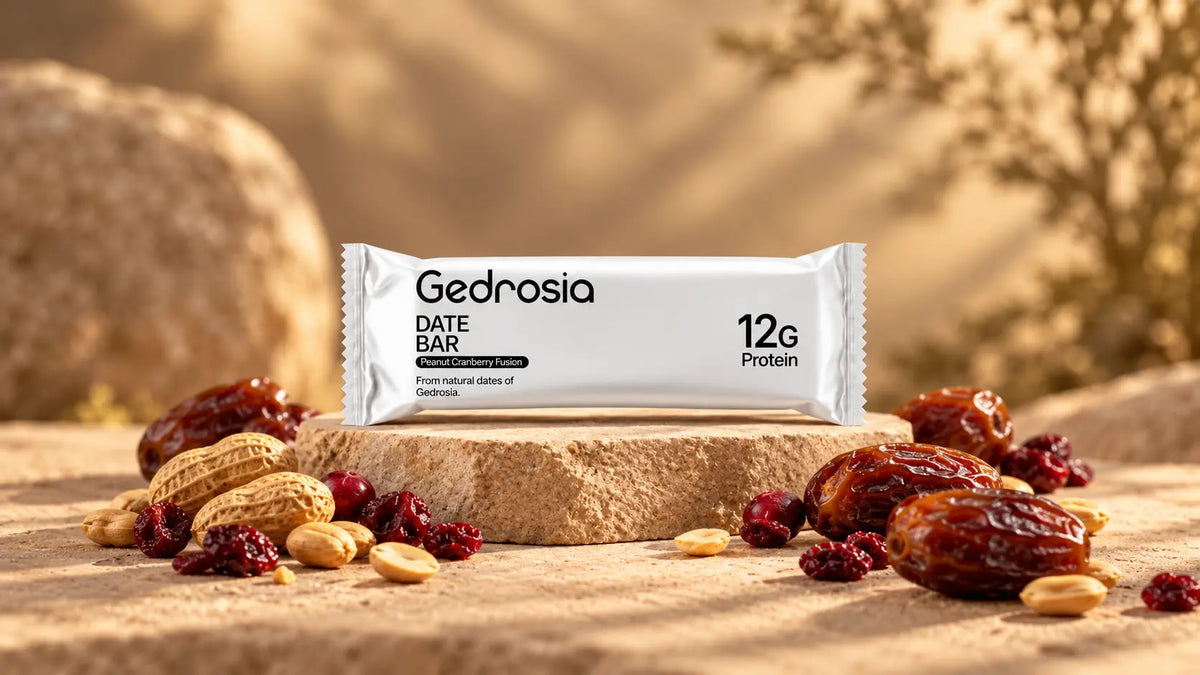
In this guide, we'll walk you through what makes a protein bar worth having every day, what to check before you make it a habit, and how a bar like Gedrosia can fit into a routine that still stays balanced.
Let's get into it.
Can You Eat Protein Bars Every Day?
Yes, you can. For most active people, it's a completely normal part of the day. The real question is which bar is good for you based on your protein requirements.
What Makes a Protein Bar Suitable for Regular Snacking?
A bar earns its spot in your daily routine when it does three things well.
-
It gives you actual protein, instead of a big number printed on the front to catch your eye.
-
It keeps added sugar low.
-
It doesn't leave you hungry again an hour later.
That's really the whole checklist. Gedrosia protein bars are built around that same idea. A snack that holds you over, not one dressed up as dessert.
Not every bar plays by these rules, though. Some brands load up on sugar and cheap filler, then hide it behind a flashy protein claim on the wrapper. So the label matters far more than the marketing ever will.
Why the Nutrition Profile Matters
The nutrition label tells you everything the wrapper won't. Two bars can look almost identical on the shelf, and still be worlds apart once you flip them over. One genuinely supports your goals. The other is closer to a chocolate bar in gym clothes.
A recent study on per-meal protein intake found that around 20 to 25 grams of high-quality protein meaningfully supports muscle repair in most adults. Keep that number in mind the next time you're comparing two bars side by side.
It's not just about protein, either. The full profile tells you how a bar is going to make you feel an hour later. If a bar is heavy on sugar and light on protein or fiber, it tends to spike you, then drop you hard. A bar built the right way keeps you steady instead.
How Protein Bars Fit Into a Balanced Diet
Think of a protein bar as one piece of your day, not the whole plate. It sits next to your daal, your roti, your eggs, and your evening chai. It doesn't replace any of them. A bar that plays well with your other meals adds to your protein intake instead of taking it over.
That's really it. No complicated math, no strict rules.
Most Pakistani diets already lean on daal, chicken, and eggs at main meals for protein. A bar just fills the gap between those meals, especially on the days when cooking isn't happening, and you need something that actually holds you over. Think of it as a bridge, not a substitute for real food.
What Should You Check Before Eating a Protein Bar Regularly?
Now that you know a good bar can earn its place in your day, here's exactly what to look for before you make it a habit. We've also broken down the full buying checklist for protein bars in Pakistan if you want the deeper version
Protein and Calories
Look for at least 10 to 15 grams of protein per bar, then check the calories against what you actually need in a day. Somewhere around 200 to 250 calories works well for a snack between meals. Anything heavier starts creeping into meal-replacement territory, so treat it that way instead of stacking it on top of a full plate.
Pay attention to where the protein comes from too. Whey, egg, or a blend of plant proteins are all solid choices. A bar padded mostly with collagen or soy isolate gives you a much smaller dose of the amino acids your muscles actually need.
Sugar and Added Sugar
Some brands pack as much added sugar as an actual candy bar, while still calling themselves healthy on the front. The American Heart Association recommends capping added sugar at 25 grams a day for women and 36 grams for men, and one single bar shouldn't burn through half of that limit on its own.
Flip the pack over before you buy it. If sugar, glucose syrup, or corn syrup shows up in the first three ingredients, put it back and look for something cleaner.
And don't get fooled by a "no added sugar" claim either. Some bars just swap sugar for a long list of sugar alcohols instead, and that can upset a sensitive stomach if you're eating more than one a day.
Fiber, Fat, and Carbohydrates
Fiber is the quiet hero here. It slows digestion, keeps you full longer, and steadies your blood sugar so you're not hunting for a second snack twenty minutes later. Research on soluble fiber shows it can meaningfully improve satiety after a meal or snack.
Aim for at least 3 grams of fiber per bar. Healthy fats from nuts or seeds are a nice bonus too, since they slow digestion even further and add real flavor without piling on sugar. Moderate carbs give you steady energy instead of a sharp spike followed by a crash an hour later.
Balance matters more than chasing any single number. A bar with sky-high protein but zero fiber or fat often leaves you less satisfied than one with a more balanced spread across the board.
Ingredients and Serving Size
Shorter ingredient lists usually win. If you can't pronounce half of what's listed, or it reads like a chemistry set, take that as your cue to keep looking. Simple, recognizable ingredients are almost always a good sign.
Check the serving size too. Some brands quietly split one bar into two servings just to make the sugar and calorie numbers look smaller than they really are. Always look at the total for the whole bar, not half of it.
What Can Affect Whether a Protein Bar Is a Good Daily Snack?
A bar that's perfect for one person might not suit another at all. Here's what actually changes the answer, depending on who you are.
Your Overall Diet
If your meals already cover your protein and fiber needs, a bar is simply a bonus on top. If your day leans heavy on rice, bread, and fried snacks with very little protein, a bar can genuinely help close that gap and keep you full between meals.
Take an honest look at what a typical day of eating actually looks like for you. That one check tells you more about whether a daily bar makes sense than any label ever will.
Your Activity Level
Someone training five days a week burns through protein and energy a lot faster than someone stuck at a desk all day. So the more active you are, the more naturally a daily bar fits into your routine, especially right after training when your body wants fuel fast.
If your week is mostly sitting and screens, one bar as an afternoon snack is usually plenty. Two or three a day might push your calories higher than you actually need.
Your Daily Protein Needs
Your protein target depends on your body weight, your goals, and how active you are. Someone chasing muscle gain needs more than someone who just wants to stay consistent with a healthy diet. You should know your required protein number before deciding how often a bar makes sense for you.
A simple starting point a lot of dietitians use is around 1.6 grams of protein per kilogram of body weight for people training regularly. Once you have that rough target, it's a lot easier to see exactly where a bar fits in.
How Often You Eat It
Having one a day as a snack between meals is very different from replacing two whole meals with bars. Don't fall into the trap of swapping real food for convenience just because it's easier in the moment. A bar should fill a gap. It shouldn't become your entire meal plan.
If you notice you're reaching for a bar three or four times a day, that's usually a sign your meals need a closer look, not a sign you need more bars.
How Can You Make Protein Bars Part of a Balanced Routine?
Here's how you actually build this into your routine, instead of just winging it every day.
Choosing Different Foods Throughout the Day
Rotate your protein sources instead of leaning on one option every single time. Pair a bar with a handful of almonds one day, a boiled egg the next, and a bowl of daal chawal for dinner. Variety keeps your diet interesting, and it covers nutrients that a single bar simply can't give you on its own.
It also keeps you from getting bored of any one food. A routine that feels varied is a routine you'll actually stick with for the long run.
Using Bars When Convenience Matters
Bars work best when life gets harder, and you barely find time to cook a meal for yourself. A packed commute, a back-to-back workday, or right after a workout when your body's asking for protein fast- that's when a bar earns its keep. Grab a Gedrosia bar in those moments, and you've made the smart call, not the lazy one.
Keep one in your bag, your desk drawer, or your gym kit. Having it ready removes the temptation to grab something far less balanced when hunger catches you off guard.
Avoiding Overreliance on Packaged Snacks
Here's the mistake worth watching for, because it's an easy one to fall into.
Mistake: Treating protein bars as a full replacement for cooked meals, day after day, just because they're quick.
Solution: Use a bar to bridge the gap between meals, and build your actual meals around whole foods like lentils, eggs, chicken, and vegetables.
Don't be scared of packaged snacks. They're a genuinely useful tool. Just don't let them quietly take over your plate, meal after meal, until whole food becomes the exception instead of the rule.
Conclusion
Protein bars, including Gedrosia, can absolutely work as a daily snack, as long as you pick smart and let the rest of your diet do its share of the work. Check the protein, watch the added sugar, respect the fiber count, and keep whole foods at the center of your day. Get that balance right, and daily snacking stops being a question mark. It just becomes another normal part of how you eat.
So what's stopping you? Grab a Gedrosia protein bar, made right here in Pakistan at Farmalabs, our DRAP-approved, GMP, and halal-certified facility, and see how easily it fits into your day.
FAQs About Eating Protein Bars Every Day
Is It Okay to Eat a Protein Bar Every Day?
Yes, for most healthy adults, it's fine, as long as the bar has real protein, low added sugar, and decent fiber, and the rest of your diet stays balanced around it.
Can I Eat a Protein Bar as a Daily Snack?
Definitely. Just treat it as a snack between meals, not a stand-in for your actual meals.
How Often Should You Eat Protein Bars?
Once a day works well for most people. If you're having more than two a day, it's worth checking whether whole foods could fill that gap instead.
Are Protein Bars Suitable for Everyone?
Mostly, yes. But if you have specific allergies, digestive issues, or a medical condition, check the ingredients carefully and talk to a healthcare provider first.
Can Eating Protein Bars Every Day Cause Weight Gain?
Only if the bar's calories push your total intake over what you actually need. A bar with sensible calories and low sugar fits into most weight goals without any problem.
Should You Eat a Protein Bar Every Day If You Already Get Enough Protein?
Not necessarily. If your meals already cover your protein target, a bar becomes optional rather than essential. It's still a handy snack for busy days, though.
What Should You Look for in a Protein Bar for Regular Snacking?
At least 10 to 15 grams of protein, low added sugar, 3 or more grams of fiber, and a short, recognizable ingredient list you can actually read out loud.
Share:
When Is the Best Time to Eat a Gedrosia Protein Bar? Before, After, or Between Meals?