

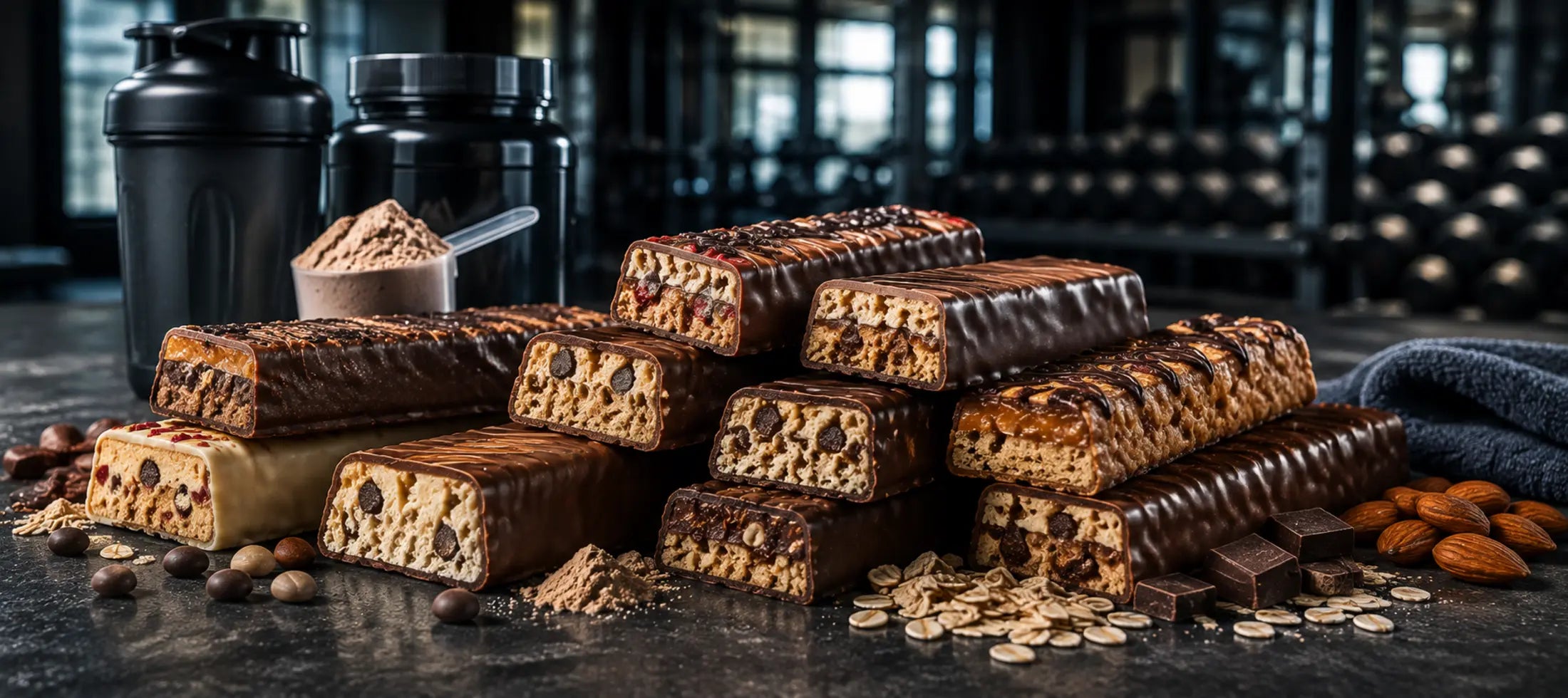

Protein bars are convenient snacks that provide protein, carbohydrates, fats and other nutrients. They are popular among gym users, athletes, students and busy professionals.
However, every protein bar is not healthy. Some contain too much sugar, fat or calories. This guide will help you understand protein bar nutrition, benefits, ingredients and prices so you can choose the right product.
What Are Protein Bars?
Protein bars are ready to eat snacks made with concentrated protein sources such as:
-
Whey protein
-
Milk protein
-
Casein
-
Soy protein
-
Pea protein
-
Rice protein
-
Egg protein
-
Nuts and seeds
Most bars also contain carbohydrates, fats, fibre, flavours and sweeteners. They can be used as a snack, post workout food or occasional meal replacement.
Benefits of Protein Bars
The main protein bar benefits include:
Convenient protein source
Protein bars are easy to carry and require no preparation. You can keep one in your gym bag, office or travel bag.
Support muscle recovery
Protein provides amino acids that help repair and maintain muscles after exercise.
Help control hunger
Protein and fibre can keep you satisfied longer than biscuits, chips or sweets.
Help meet protein requirements
A bar can help when you cannot get enough protein from regular meals.
Make calorie tracking easier
Each bar has a fixed serving size. This makes it easier to track protein and calories.
Protein bars should support a balanced diet. They should not replace healthy meals every day.
Types of Protein Bars
|
Type |
Best use |
|
Whey protein bars |
Muscle recovery and gym use |
|
Milk protein bars |
Filling snack between meals |
|
Plant protein bars |
Vegan or dairy free diets |
|
Low sugar protein bars |
Controlling sugar intake |
|
Meal replacement bars |
Occasional meal replacement |
|
Energy protein bars |
Exercise and active routines |
|
Mass gain bars |
Increasing protein and calories |
|
Whole food bars |
Simple ingredients such as oats, dates and nuts |
A vegan, natural or gluten free label does not automatically make a bar healthy. Always check the nutrition label.
Protein Bar Nutrition Facts
The nutritional value depends on the brand and serving size. A typical protein bar may contain:
|
Nutrient |
Common amount |
|
Calories |
180 to 300 |
|
Protein |
10 to 25 g |
|
Carbohydrates |
15 to 35 g |
|
Sugar |
1 to 15 g or more |
|
Fibre |
3 to 10 g |
|
Fat |
5 to 15 g |
|
Sodium |
100 to 300 mg |
Do not judge a bar by protein alone. Check its calories, sugar, fibre, saturated fat and ingredients.
For example, a 200 calorie bar with 20 grams of protein is more protein dense than a 350 calorie bar with the same protein amount.
Who Should Eat Protein Bars?
Protein bars may be useful for:
-
Gym users and athletes
-
Busy professionals
-
Students
-
Travellers
-
People tracking protein intake
-
People replacing unhealthy snacks
-
Vegetarians using suitable plant protein bars
They are not necessary for everyone. Most people can meet their protein needs through eggs, chicken, fish, milk, yoghurt, lentils, beans and other whole foods.
People with diabetes, kidney disease, food allergies or other medical conditions should consult a doctor or qualified dietitian before using protein bars regularly.
Best Time to Eat Protein Bars
There is no single best time to eat a protein bar. Choose the time according to your routine and goal.
Before exercise
Eat a bar 60 to 90 minutes before exercise if you need energy. Choose one with moderate carbohydrates and limited fat.
After exercise
A bar with 15 to 25 grams of protein can support post workout recovery when a proper meal is unavailable.
Between meals
A protein and fibre bar can control hunger between lunch and dinner.
During travel
Protein bars are useful when you cannot find a hygienic and balanced meal.
As a meal replacement
Only use a bar as a meal replacement if it provides enough calories, protein and fibre. A small snack bar cannot replace a complete meal.
Protein Bars for Muscle Gain
Protein bars can help you meet your daily protein target. They cannot build muscle without proper training and nutrition.
Muscle gain requires:
-
Resistance training
-
Enough daily protein
-
Adequate calories
-
Proper sleep
-
Consistency
Most active people need more protein than sedentary adults. The International Society of Sports Nutrition suggests approximately 1.4 to 2.0 grams of protein per kilogram of body weight for most exercising individuals.
For muscle gain, choose a bar with:
-
Around 20 grams or more of protein
-
Whey, milk, soy or a balanced plant protein blend
-
Suitable calories for your diet
-
Limited added sugar
-
Clear nutrition information
Protein Bars for Weight Loss
Protein bars do not burn fat. They may support weight loss by controlling hunger and replacing a higher calorie snack.
Look for:
-
Around 150 to 230 calories
-
At least 15 grams of protein
-
At least 3 grams of fibre
-
Limited added sugar
-
A controlled serving size
Do not add a protein bar to your normal diet without adjusting your calories. Use it to replace biscuits, sweets, chips or another less nutritious snack.
Weight loss still depends on maintaining a calorie deficit.
Protein Bars for Diabetics
People with diabetes should not select a bar based only on claims such as sugar free or low sugar.
Check:
-
Total carbohydrates
-
Added sugar
-
Serving size
-
Fibre
-
Saturated fat
-
Sodium
-
Sugar alcohols
The American Diabetes Association recommends checking total carbohydrates instead of relying only on net carb claims.
A low sugar bar may still contain carbohydrates from oats, dates, flour or starch. Sugar alcohols such as maltitol and sorbitol can also cause gas, bloating or diarrhoea.
People using insulin or diabetes medication should discuss suitable snacks with their doctor or dietitian.
Protein Bars vs Protein Shakes
|
Feature |
Protein bars |
Protein shakes |
|
Preparation |
Ready to eat |
Requires mixing |
|
Portability |
Easy to carry |
Requires a shaker and liquid |
|
Protein |
Usually 10 to 25 g |
Usually 20 to 30 g |
|
Calories |
Often higher |
Usually lower with water |
|
Fibre |
May contain fibre |
Usually low |
|
Fullness |
More filling |
Less filling for some people |
|
Cost |
Usually higher per serving |
Often more economical |
|
Best use |
Travel and snacking |
Efficient protein intake |
Choose a protein bar for convenience and fullness. Choose a shake when you want more protein with fewer calories.
Protein Bar Ingredients Explained
Whey protein
Whey is a complete dairy protein. It is commonly used in protein bars for gym and muscle recovery.
Milk protein and casein
These proteins digest more slowly and may keep you satisfied longer.
Plant protein
Soy, pea and rice proteins are common plant based options. Pea and rice are often combined for a better amino acid profile.
Nuts and seeds
Nuts and seeds provide protein, healthy fats and minerals. They also increase calories.
Oats and dates
Oats and dates provide carbohydrates and fibre. Dates are natural, but they still contain sugar and calories.
Sweeteners
Bars may contain sugar, honey, glucose syrup, stevia, sucralose, erythritol or maltitol. Compare the total sugar and carbohydrate content.
Added fibre
Ingredients such as inulin and chicory root fibre increase fibre. Large amounts may cause digestive discomfort.
Chocolate and oils
Chocolate coatings and oils improve taste but can increase calories and saturated fat.
How to Read Nutrition Labels
Follow these steps before buying a protein bar.
Check the serving size
Confirm whether the information is for one full bar or half a bar.
Check the calories
Select calories according to your goal. A weight loss snack and a mass gain bar should not have the same calorie target.
Check the protein
Look for at least 15 grams of protein if you want a high protein snack.
Check carbohydrates and sugar
Do not trust the front label. Read the total carbohydrates and added sugar.
Check fibre
A bar with at least 3 grams of fibre may be more filling.
Check saturated fat
Some bars contain high saturated fat because of chocolate coatings and oils.
Read the ingredients
Ingredients are usually listed according to weight. Avoid bars that list sugar or syrup among the first ingredients.
Check allergens
Look for milk, soy, peanuts, tree nuts, eggs and gluten.
Check expiry and packaging
Do not buy a bar with damaged packaging, an unclear expiry date or a broken seal.
How to Choose the Best Protein Bar
The best protein bars in Pakistan should match your goal.
|
Goal |
What to choose |
|
General health |
Good protein, fibre and limited sugar |
|
Muscle gain |
At least 20 g protein and suitable calories |
|
Weight loss |
High protein with controlled calories |
|
Pre workout |
Moderate carbohydrates and easy digestion |
|
Diabetes |
Controlled carbohydrates and sugar |
|
Vegan diet |
Soy or a balanced plant protein blend |
|
Dairy free diet |
Clearly labelled dairy free bar |
|
Halal diet |
Verified halal ingredients and certification |
Check halal certification
Do not assume every whey or plant based bar is halal. Check for reliable halal certification. Review ingredients such as gelatin, glycerin, emulsifiers and flavours.
Compare price per gram of protein
Use this simple formula:
Price of bar ÷ grams of protein = price per gram of protein
A Rs.450 bar with 20 grams of protein costs Rs.22.50 per gram of protein.
Protein Bars Price in Pakistan
Protein bars price in Pakistan depends on the brand, protein content, size and country of origin.
Individual bars commonly cost around Rs.300 to Rs.675. Imported bars and boxes may cost more. Prices can change because of exchange rates, stock availability and import costs.
Where to Buy Protein Bars in Pakistan
You can buy protein bars from:
-
Official brand websites like Jacked Nutrition Protein Bars, etc.
-
Trusted supplement stores
-
Reputable pharmacies
-
Large supermarkets
-
Established online retailers
Choose a seller that provides sealed products, visible expiry dates, proper storage and clear return policies. Avoid suspiciously cheap imported products.
Common Buying Mistakes
Avoid these common mistakes:
-
Selecting the bar with the highest protein number
-
Ignoring calories and sugar
-
Misreading the serving size
-
Trusting fitness claims without checking the label
-
Assuming sugar free means carbohydrate free
-
Treating dates and honey as unlimited sugar
-
Ignoring food allergies
-
Buying from an unreliable seller
-
Using bars to replace healthy meals every day
FAQs
Are protein bars healthy?
They can be healthy if they provide good protein, useful fibre, controlled calories and limited added sugar.
Can I eat a protein bar every day?
Yes, if it fits your calorie and protein needs. It should not replace balanced meals.
Which protein bar is best for the gym?
Choose one with 15 to 25 grams of protein from whey, milk, soy or a balanced plant protein blend.
Do protein bars build muscle?
They help meet protein requirements. Muscle gain still requires resistance training, sufficient calories and proper recovery.
Can protein bars help with weight loss?
Yes, when they replace a higher calorie snack and help you maintain a calorie deficit.
Are low sugar protein bars suitable for diabetics?
Not always. Check total carbohydrates, serving size and your personal blood sugar response.
Are all protein bars halal?
No. Check the ingredients and halal certification before buying.
Are protein bars better than shakes?
Bars are more convenient and filling. Shakes usually provide more protein with fewer calories.
Conclusion
Protein bars are convenient high-protein snacks for gym users, travellers and busy people. However, every bar is not equally healthy.
When buying protein bars in Pakistan, check the protein source, calories, carbohydrates, sugar, fibre, saturated fat, halal status, expiry date and seller authenticity.
Choose a bar that matches your goal and budget. Use it as part of a balanced diet, not as a permanent replacement for healthy meals.
Share:
What MMA Fighters Eat for Peak Performance?
Vitamin B12: Deficiency Signs, Foods, and Supplement Guide