

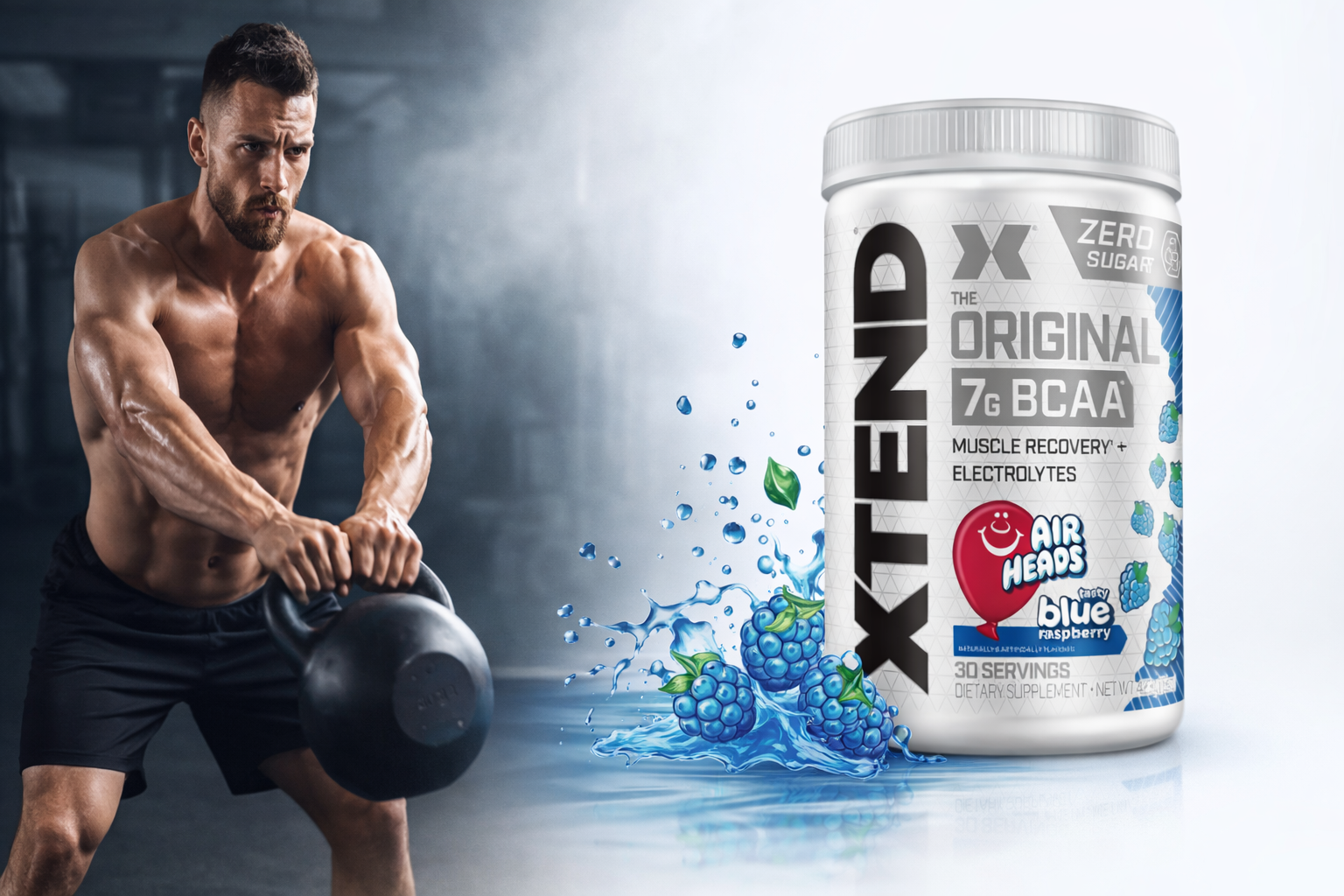

High-intensity workouts push muscles to their limit. Tiny tears form in muscle fibers, and energy stores run low. After such training, muscles need fuel and repair. That’s why many athletes turn to supplements like BCAAs.
BCAAs (branched-chain amino acids) are quickly absorbed and delivered straight to muscles. Leucine in particular triggers the mTOR pathway, flipping the switch on new protein synthesis in muscle cells.
Understanding Muscles During High-Intensity Training
When you do HIIT or heavy lifting, your muscles experience microtrauma. The fibers get tiny tears and must rebuild stronger. This repair process requires amino acids and energy.
If the body doesn’t have enough building blocks, it breaks down more muscle to recover. Proper nutrition provides the raw materials needed for rebuilding. Inadequate recovery can lead to excessive soreness and slower progress.
How BCAAs Work in the Body
BCAAs consist of three essential amino acids: leucine, isoleucine, and valine. We can’t make these ourselves; we must eat or supplement them. What makes BCAAs special is that they bypass the liver and go straight to muscle tissue. There, muscles can use them immediately for fuel or repair.
Leucine stands out by activating muscle growth signals. It turns on the mTOR pathway, which kickstarts new protein creation in the muscle. In other words, leucine acts like a light switch for muscle building, so having extra leucine around can speed repair after exercise.
Role of BCAAs in Muscle Recovery
BCAAs can be effective for muscle recovery after intense workouts. They supply extra amino acids right when your muscles need them. Research shows that BCAAs supplements for recovery reduces muscle damage and soreness. For example, BCAAs lower levels of creatine kinase, a marker of muscle injury, which means less tissue breakdown.
People who took BCAAs before squats felt significantly less delayed-onset muscle soreness (DOMS) and fatigue the next day. This means you may feel less sore and bounce back faster between hard sessions.
BCAAs and Muscle Protein Synthesis
BCAAs directly support building new muscle protein. Remember that leucine kicks off protein synthesis. In one study, taking about 5.6 g of BCAAs after a workout boosted muscle protein synthesis by 22%. That sounds good, but it’s important to know that whey protein (which has all nine essential amino acids) produces roughly 50% more muscle growth than BCAAs alone.
This tells us BCAAs do stimulate muscle repair, but without the other essential amino acids, their effect is limited. Essentially, BCAAs give a jump-start to muscle building, but whole proteins like whey provide the full lineup of nutrients needed for maximal recovery.
Benefits of BCAAs for HIIT and Strength Training
For high-intensity interval training (HIIT) and weight lifting, BCAAs offer a few advantages. They can help delay fatigue during intense workouts. When your blood levels of BCAAs fall, the brain can make more serotonin, which makes you feel tired.
Supplementing with BCAAs blunts that effect. Indeed, some athletes who took BCAAs reported feeling less central fatigue and slightly better endurance. This means you might push a little harder or longer during a tough session.
BCAAs also help you recover faster between workouts. By feeding muscles extra nutrients and reducing damage, they shorten recovery time. That can be especially useful if you train hard frequently.
Beginners often ask if they need BCAAs. If your diet is already high in protein, extra BCAAs may not be essential. Whole protein foods provide these amino acids naturally. But if your protein intake is low or you train very hard, taking BCAAs around workouts can be a convenient way to boost recovery.
SEE ALSO: How EAAs and BCAAs Affect Muscle Recovery and Performance
BCAAs vs Other Recovery Supplements
BCAAs are just one option among many. Whey protein is another popular recovery supplement. Whey contains all the essential amino acids (including BCAAs), plus extra protein. Studies suggest that whey is more effective than isolated BCAAs for muscle growth.
For example, researchers found BCAAs did stimulate protein synthesis, but complete proteins with all amino acids gave a much stronger signal for muscle building. Whey protein usually outperforms BCAAs alone for overall muscle recovery.
Other supplements serve different roles: carbohydrates replenish glycogen (energy) stores, and creatine helps with strength and power. BCAAs specifically feed muscle tissue and support protein creation.
In a well-rounded recovery plan, some athletes use both carbs (or protein shakes) and BCAAs together. But if you had to choose one, a complete protein shake covers more bases than BCAAs by themselves.
Common Myths About BCAAs
-
Myth: You must take BCAAs to build muscle.
Fact: You only need adequate protein. BCAAs alone are not magic. In fact, BCAAs have a smaller effect than complete proteins. If your diet already has enough protein, extra BCAAs add little. -
Myth: BCAAs are better than whey protein for recovery.
Fact: Not so. Whey or whole protein sources contain BCAAs plus everything else. Studies found whey produced a greater muscle-building response than BCAAs alone. So, whey is generally better for recovery. -
Myth: BCAAs greatly improve performance.
Fact: They mostly reduce fatigue. BCAAs can alter brain chemicals (serotonin) and help you feel less tired, but they don’t directly provide energy. At best, they let you train a bit longer before fatigue. They won’t make up for lack of carbs or sleep. -
Myth: More BCAA powder is always better.
Fact: Taking very high doses doesn’t mean more gains. Stick to recommended amounts (around 5–10 g per serving). Overdoing it won’t speed recovery and wastes money.
Final Thoughts
BCAAs can support your recovery and reduce muscle soreness after hard workouts, but they’re not a cure-all. The best recovery plan still starts with a solid diet rich in protein, carbs, and nutrients, plus good rest and hydration. If you train very intensely or frequently, supplementing with BCAAs can give your muscles extra repair fuel when they need it most.
For example, Original Xtend BCAA is a popular branched-chain amino acid powder that athletes use to boost recovery. In the end, BCAAs are most useful as part of a balanced approach: eat well, train smart, and use supplements like BCAAs strategically to help your muscles bounce back.
FAQs
How do BCAAs help with recovery after high-intensity training?
They reduce muscle damage and soreness by supplying extra amino acids and energy to muscles.
Can BCAAs prevent muscle loss during intense workouts?
Yes. By giving muscles an alternate fuel source, BCAAs help limit the breakdown of existing muscle protein during exercise. This helps preserve muscle mass.
Are BCAAs better than whey protein for recovery?
No. Whey protein contains all essential amino acids, so it generally supports muscle growth more than BCAAs alone.
Do BCAAs improve strength and performance?
They may slightly improve endurance by reducing fatigue. Some athletes report better focus and less tiredness with BCAAs.
Do beginners need BCAAs for recovery?
Beginners can use them, especially if their protein intake is low. However, it’s better to first ensure a balanced diet rich in protein.
Do BCAAs help reduce workout fatigue?
Yes. BCAAs can lower levels of tryptophan in the brain and reduce serotonin build-up, which delays the feeling of fatigue. This means you might feel less tired during long or intense workouts.
Share:
Why You Might Need a Multivitamin Even with a Balanced Diet
Understanding Macronutrients and Their Role in Fitness Nutrition