

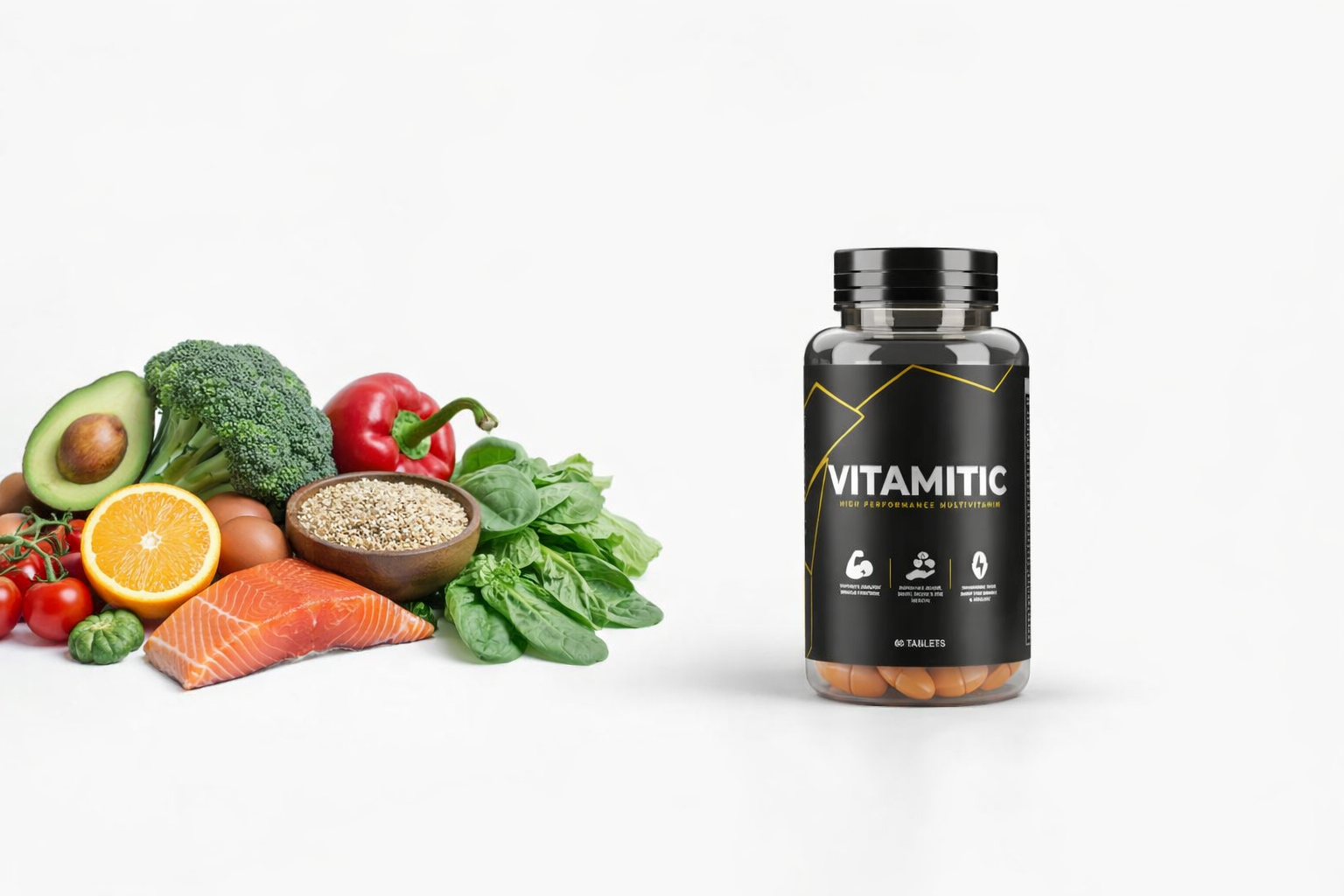

Even if you try to eat healthy every day, your body may still miss out on important vitamins and minerals. Modern diets, busy routines, and limited food variety can create small nutrient gaps without you realizing it. That’s why you need a multivitamin: to support daily energy, immunity, and overall wellness when food alone isn’t enough.
The Myth of the Perfect Diet
Many people assume that eating a perfect diet means they don’t need supplements. But reality often differs from the theory. Even a generally balanced meal plan can have hidden nutrient gaps. Seasonal foods, soil depletion, and modern eating habits can all limit the vitamins and minerals you get from food.
For example, if your diet relies heavily on refined grains or processed snacks, you might miss out on vitamin D, vitamin C, or iron. Studies have found that increased consumption of processed and energy-dense foods has reduced micronutrient intake across several Asian countries.
As a result, a significant portion of people fail to meet their optimal vitamin and mineral requirements through food alone.
Hidden Nutrient Gaps in Everyday Meals
Even healthy meals can leave out key nutrients. Imagine a busy day where lunch is a chicken sandwich, and dinner is pasta. These have calories and protein, but maybe not enough vitamin A, K, or potassium. If you skip fruits and veggies, you miss vitamin C and antioxidants. If you don’t eat fish or get enough sun, you may lack vitamin D.
In many cases, practical diets (especially urban diets) turn out to be low in certain vitamins and minerals. For instance, diets high in polished grains and low in fresh produce tend to be low in B vitamins, zinc, and folate. When these micronutrients are low, you might feel more tired or get sick more easily. A multivitamin can cover the basics that your meals might miss.
And if you live in Pakistan or buy online locally, check out our multivitamins in Pakistan collections; these often contain formulations suitable for our diet and climate.
Lifestyle Factors That Increase Nutrient Needs
Your lifestyle also plays a big role in nutrient needs. Stress, for example, can deplete vitamins in your body. When you’re under pressure, whether it’s work stress or physical stress from illness, your body burns through B vitamins and vitamin C faster. This means you may need more of these nutrients on stressful days.
Similarly, if you’re very active or work out intensely, you might need extra antioxidants and minerals to handle the wear and tear. Vegetarians and vegans should pay attention to: plant-based diets are often low in vitamin B12 and sometimes iron.
If you don’t eat meat or dairy, a daily multivitamin can provide B12 and other nutrients that plants lack. Men and women have different needs as well. For example, women of childbearing age often need more iron and folic acid, while men may need extra zinc or vitamin D.
That’s why many companies make gender-specific vitamins (a multivitamin for men and women) to match these needs.
Even if you eat well, being a busy professional or having certain lifestyle factors means you might not absorb or eat enough nutrients. Taking a multivitamin acts as a safety net so you still get a baseline of all the essentials.
SEE ALSO: Do Multivitamins Make You Healthier?
Multivitamins as Nutritional Insurance
Think of a multivitamin as nutritional insurance. It fills any small gaps your diet leaves behind. For example, B vitamins in a multivitamin help your body turn food into energy, so you feel less tired. Vitamins C and D, and minerals like zinc support the immune system. Many people reported benefits: they felt an energy boost and noticed stronger immune function after taking multivitamins.
It means a well-formulated multivitamin can help you feel more energetic and stay well. Of course, results vary, but having that daily insurance helps ensure your body always has the basic building blocks it needs.
Combining Whole Foods with Smart Supplementation
Whole foods are the foundation of health, and supplements should never replace them. Focus on eating vegetables, fruits, whole grains, and protein. Then use a multivitamin to cover anything you miss. For example, vitamin C from fruits helps absorb iron from plant foods. A multivitamin ensures you have enough of both to avoid anemia.
If your meal plan truly met all your needs, a multivitamin wouldn’t make much difference. But in reality, even the healthiest diets can fall short now and then. Many nutrition experts acknowledge that most people don’t actually hit every nutrient target each day. So combining a varied diet with a daily multivitamin is a practical strategy.
You might notice supplements labeled for specific purposes. For skin and beauty, some brands offer a multivitamin for skin that contains extra biotin, vitamin C, and collagen boosters. But remember: the goal is to supplement wisely, not to rely solely on pills.
Conclusion
In summary, even the best diet can have tiny holes. Taking a daily multivitamin helps fill those micronutrient gaps. It’s like putting your vitamins on autopilot so you don’t accidentally miss vitamin D or a B vitamin.
While a multivitamin won’t cure all ills, it supports overall health by covering the nutritional bases. Especially for busy people, vegetarians, older adults, or anyone under stress, a good multivitamin is a simple and effective step toward better energy, stronger immunity, and general wellness.
FAQs
What are the signs that I might need a multivitamin?
Unexplained fatigue, frequent colds, or symptoms like brittle hair and nails, mouth sores, or skin rashes can indicate vitamin or mineral deficiencies. If you see several of these signs, a multivitamin might help.
Can multivitamins improve energy levels?
Yes. Multivitamins supply B-vitamins and minerals needed for energy metabolism. Many users report feeling more energetic after taking a multivitamin.
Can taking a multivitamin improve mental focus and clarity?
Possibly. By providing nutrients like B vitamins, vitamin D, and magnesium, a multivitamin supports brain function. This may help with concentration and mental clarity, especially if you were lacking those nutrients.
How does a multivitamin help support heart health?
It provides nutrients like folic acid and B12 that help maintain healthy blood vessels. Diet and lifestyle (like exercise and avoiding smoking) also have a bigger impact on heart health.
Can multivitamins promote healthier skin, hair, and nails?
Yes. Vitamins A, C, E, and biotin (common in multivitamins) are key for collagen production and keratin formation. Adequate intake of these can improve skin elasticity and hair/nail strength.
How can a multivitamin support overall health and wellness?
It fills nutritional gaps to ensure all your body’s systems have what they need. When you cover all essential vitamins and minerals, your immune system, metabolism, and energy production all run more smoothly.
Do multivitamins help strengthen the immune system?
Yes. A good multivitamin contains vitamin C, D, zinc, and other immune-boosting nutrients. Many people find they catch fewer colds when they take vitamins regularly.
Are there any side effects of taking multivitamins daily?
Generally, multivitamins are safe when taken as directed. Some people get mild stomach upset if taken without food. However, very high doses of certain vitamins (like A, E, or iron) can be harmful. Stick to the recommended dose, and you should be fine.
Share:
The Role of Multivitamins in Maintaining Healthy Skin
How BCAAs Support Recovery During High Intensity Training