

Introduction
Starting the gym as a teenager is exciting. You're full of energy, dreams of six-packs and bigger biceps, and you're ready to hit those dumbbells. But soon, questions start popping up—what supplements should I take? Are they even safe for my age? Should I use protein powders? You might even hear mixed advice from friends or influencers, which only adds to the confusion.
So, if you're a teenager in Pakistan stepping into the world of fitness and muscle building, this supplement guide is just for you.
Is It Safe for Teenagers to Use Supplements?
Supplements for beginners are not magic pills. They’re called supplements for a reason: they support, not replace, your diet. And for teenagers, safety comes first. At your age, your body is already in high-growth mode. The wrong supplement at the wrong time can disrupt more than it can help.
So, are supplements safe for teenagers? The answer is yes, but only the right ones. They work well when used at the right time in the right way. Choosing safe supplements over cheap shortcuts is the first smart step toward real gains.
When Should a Teenager Consider Supplements?
Not every teen needs supplements. If your daily meals are balanced with enough calories, protein, and essential nutrients, you’re already on the right track. But if you're struggling to meet your gym goals despite a solid gym diet plan for teenagers in Pakistan, then it's time to look at beginner supplements for gym use.
Signs you may need supplementation:
-
Struggling to meet protein intake despite eating well
-
Fatigue or slow recovery after workouts
-
Underweight or muscle-building resistance despite eating more
Still, it’s better to start with food, then add only what’s missing.
Essential Supplements for Teen Gym Beginners in Pakistan
Let’s talk essentials—not what social media hypes, but what actually helps.
1. Whey Protein for Beginners
If you’re lifting weights, your body needs protein to rebuild muscles. You should consume whey protein initially, as it is easily digestible and considered ideal for post-workout recovery. But make sure it’s a halal supplement for Pakistani teens with a clean label—no steroids, no hidden ingredients.
Is protein powder safe for teenagers? The answer is Yes, but stick to 1 scoop daily and only if your food isn't enough.
2. Multivitamins
Teens often miss out on micronutrients. A basic, teen-friendly multivitamin fills in the gaps, especially if your diet is repetitive.
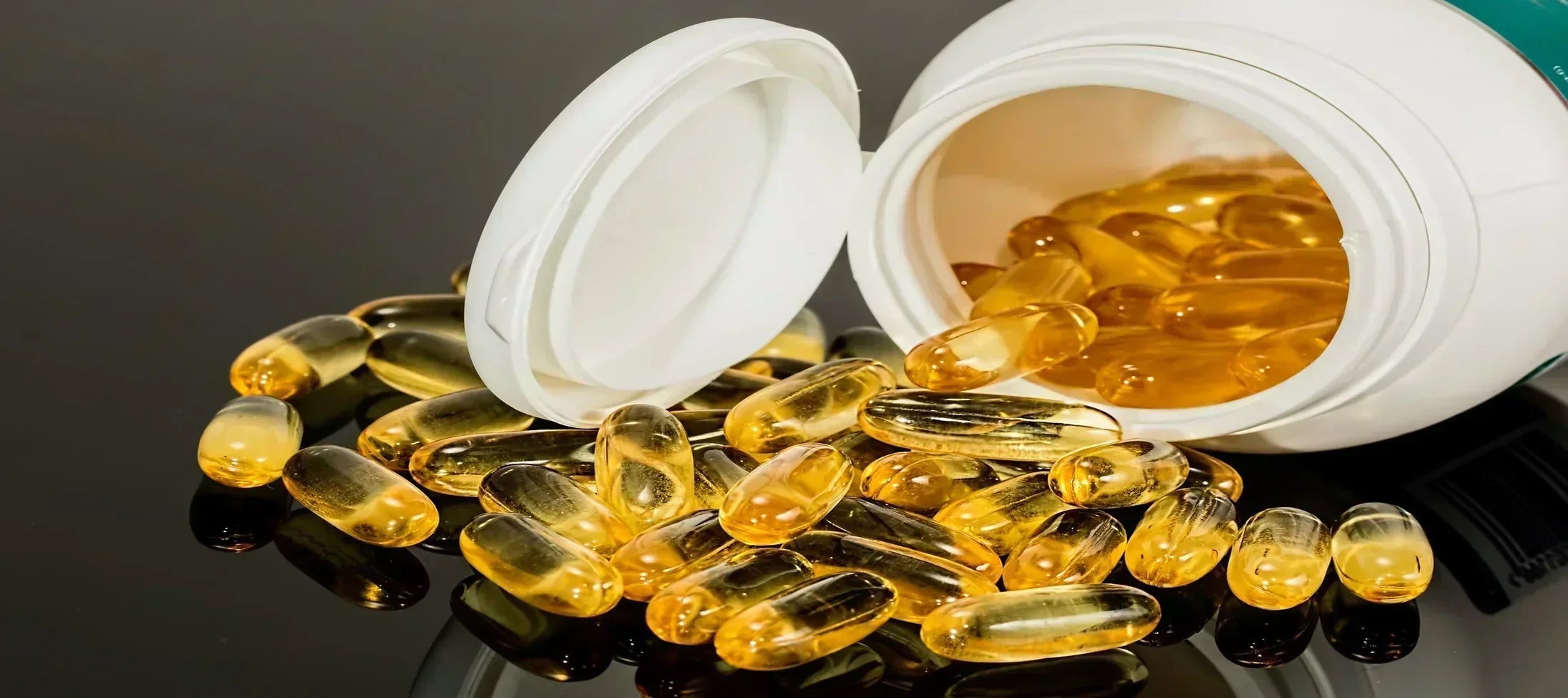
3. Omega-3 (Fish Oil)
Omega-3 is good for the heart, brain, and recovery. If you're eating oily fish only once in a while, a fish oil capsule daily is worth it.
4. Creatine
You’ve probably heard about creatine. But should 16-year-olds take creatine? No. Not recommended. Wait until you’re 18+ and even then, only under supervision. Focus on training first; creatine can wait.
Top Pakistani Supplement Brands Teenagers Can Trust
You don’t need imported brands with flashy labels and foreign prices. There are Pakistani brands offering teen-safe supplements that are affordable, certified, and halal. Some reliable names include:
-
Jacked Nutrition – offers affordable gym supplements for students, including starter whey blends
-
Nutrifactor – known for safe vitamins and proteins
-
MyProtein PK (via authorized resellers) – quality whey protein with transparency
Always buy from certified sellers. Fake supplements are a big risk in Pakistan. Cheap isn’t always safe.
Diet Tips Alongside Supplements for Better Results
Supplements can’t work alone. Think of them as the backup singers—your main performance still comes from your gym diet plan for teenagers in Pakistan. Focus on:
-
Three protein-rich meals daily – Eggs, chicken, lentils, and dairy
-
Healthy carbs – Rice, whole wheat, fruits for energy
-
Hydration – Proper hydration is as essential as your protein shake
-
Sleep – 8 hours minimum for muscle recovery and growth
Eat real food first. Then, add supplements only if needed.
Mistakes Teenagers Should Avoid With Supplements
These are common mistakes every new gym goer should avoid:
-
Copying adult routines – Your body isn’t built the same way yet
-
Overdosing on protein – More isn’t always better; extra protein turns into fat
-
Mixing too many supplements – Start with one, evaluate results
-
Ignoring side effects – Side effects of supplements for teens can include acne, digestion issues, even hormone imbalance
Always read labels. More importantly, listen to your body.
Conclusion
If you're a teenager starting gym in Pakistan, don’t rush to fill your shelves with powders and pills. Start with strong meals, train consistently, and sleep well. Then, only if needed, choose safe, halal, and affordable gym supplements for students that support—not replace—your fitness journey.
Fitness is a marathon, not a sprint. Build habits first. Supplements come later. Start smart, stay safe, and let your journey grow with your body—not ahead of it.
Initially, go with strong meals, sleep well, and train consistently.
FAQs
What are the best beginner supplements for gym use?
Creatine, whey protein, and BCAA are the best beginner supplements for gym-goers. Creatine helps in muscle strength building, while whey protein helps in muscle repairing and growth, especially if you're not able to meet your daily requirement of protein.
What’s the best age to start supplements?
Kids need vitamin D and iron for proper growth and development, especially in early years. Teenagers require calcium, vitamin D, and zinc to support bone strength and hormonal changes. Adults need vitamin B12, folic acid, and vitamin D based on lifestyle and dietary gaps. Seniors need calcium, vitamin D, and B12 to maintain bone health and prevent age-related deficiencies. Supplement needs depend on individual health, so always consult a healthcare provider before starting.
Are protein powders harmful for teens?
Protein powders are not harmful for teens if used correctly and with professional guidance. Teens need protein for growth, muscle repair, and overall development, which should primarily come from natural foods like meat, eggs, dairy, and legumes. In cases of intense physical activity or poor dietary intake, a healthcare provider can suggest the right type and amount of protein powder. Uncontrolled use or low-quality products with artificial additives can lead to health issues like kidney strain or hormonal imbalance.
Can I build muscles without supplements?
Yes, you can build muscles without supplements by following a balanced diet and consistent workout routine. Eating enough protein from natural sources like eggs, chicken, fish, dairy, legumes, and nuts supports muscle growth. Strength training, proper sleep, and staying hydrated are also key for building lean muscle naturally.
Share:
Do Supplements Work Without Exercise?
Best Supplements to Survive Ramadan Fasting Without Losing Muscle