

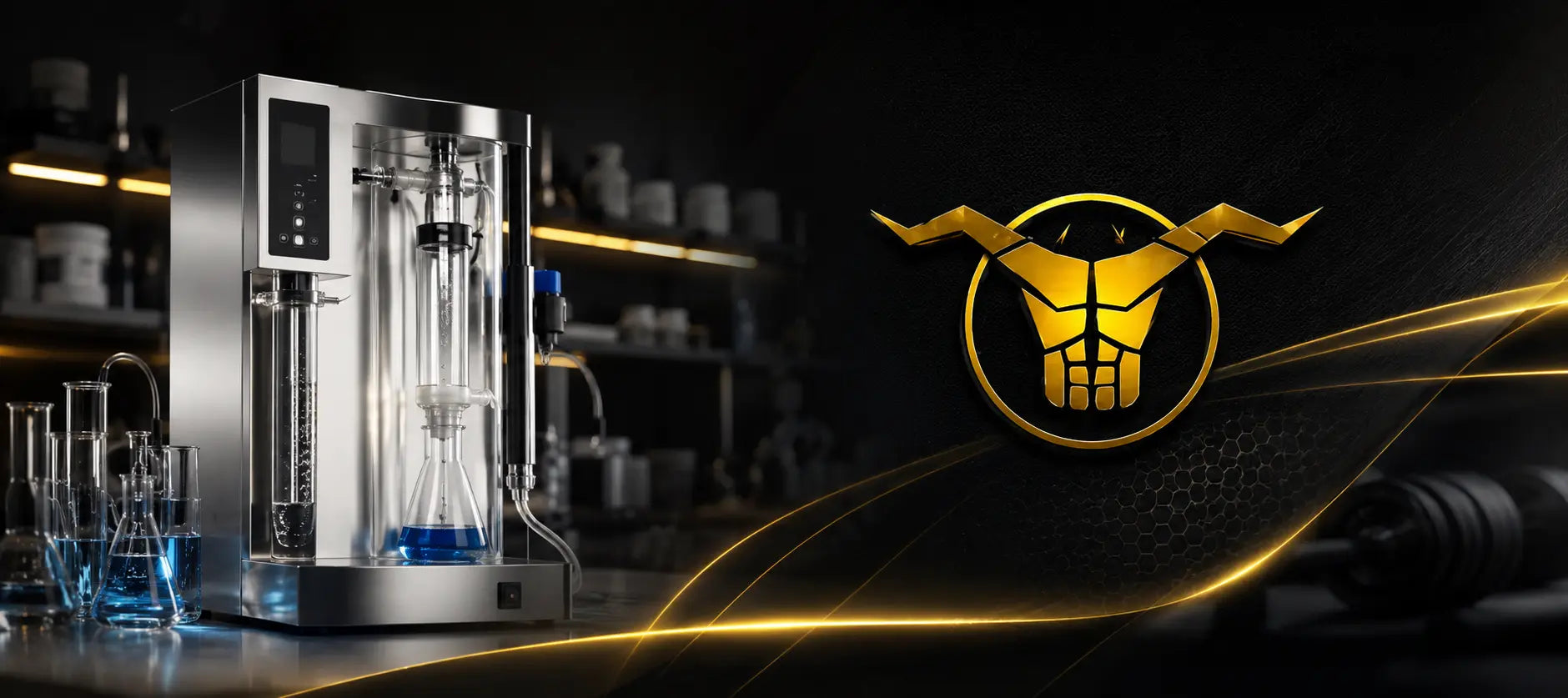

Introduction: Protein Quality Matters in Supplements
When customers buy a whey protein supplement, they are not just buying flavor or packaging. They are trusting the brand for purity, accuracy, and real protein content. At Jacked Nutrition, authentic protein testing is an essential part of quality assurance to make sure every product delivers what it claims.
One of the most trusted scientific methods used for protein verification is the Kjeldahl method, a globally recognized technique for measuring nitrogen content and estimating true protein levels.
Understanding Protein Authenticity at Jacked Nutrition
Protein authenticity means that the product contains genuine protein in the amount mentioned on the label. It also helps protect consumers from misleading practices such as protein spiking, where cheap nitrogen-containing compounds may be added to falsely increase protein test results.
At Jacked Nutrition, protein authenticity is supported through raw material evaluation, batch testing, and quality assurance checks. This helps ensure that every protein product is tested for consistency, safety, and label accuracy before reaching consumers.
What Is the Kjeldahl Method?
The Kjeldahl method is a laboratory testing technique used to determine the nitrogen content in a sample. Since protein contains nitrogen, this method helps estimate the total protein content in whey protein and other food or supplement products.
The process involves digestion, distillation, and titration to determine nitrogen levels accurately. The result is then converted into protein content using a standard conversion factor.
In simple words, the Kjeldahl method helps answer one important question: Does this product contain the real amount of protein it claims?
How Jacked Nutrition Uses Kjeldahl for Accurate Protein Testing
Jacked Nutrition’s products are made in the Farmalabs. Farmalabs uses the Kjeldahl method as part of its protein verification system to confirm the authenticity of protein content in its products. This testing helps verify that the protein level mentioned on the label matches the actual protein present in the batch.
By using nitrogen analysis, Jacked Nutrition can check whether the product meets quality standards before it is released. This adds an important layer of scientific confirmation and helps build consumer trust.
Step-by-Step Process of Protein Verification
The protein verification process begins with raw material testing. Whey protein and other ingredients are checked before production to ensure they meet quality requirements.
After manufacturing, samples from the finished batch are collected for laboratory analysis. The Kjeldahl method is then used to measure nitrogen content and calculate protein percentage.
The results are reviewed by the quality assurance team. Only batches that meet the required specifications move forward for packaging and distribution. This batch testing approach helps maintain consistency from one product to the next.
Advantages of the Kjeldahl Method Over Other Testing Techniques
The Kjeldahl method is widely trusted because of its accuracy, reliability, and long history of use in food and supplement testing. It is especially useful for measuring total protein content in products like whey protein.
Compared with some rapid testing methods, Kjeldahl provides a deeper laboratory-based analysis. While newer technologies may also be used in modern quality control, Kjeldahl remains one of the most accepted methods for protein verification and nitrogen analysis.
Its major advantages include:
-
Accurate protein estimation
-
Reliable nitrogen analysis
-
Suitable for whey protein testing
-
Useful for batch testing
-
Recognized in food and supplement quality control
Ensuring Trust and Transparency for Consumers
Consumers deserve to know that the protein they are using is genuine, tested, and consistent. Through authentic protein testing, Jacked Nutrition aims to provide confidence with every serving.
Scientific testing also supports transparency. It helps confirm that the product is not only attractive in taste and packaging but also reliable in quality and protein content.
This commitment to testing reflects Jacked Nutrition’s focus on quality assurance and consumer trust.
Conclusion: Commitment to 100% Authentic Protein
The Kjeldahl Method plays an important role in verifying protein authenticity at Jacked Nutrition. By measuring nitrogen content and confirming protein levels, this method helps ensure that every batch meets the expected quality standards.
For consumers, this means greater confidence, better transparency, and assurance that they are choosing a protein supplement backed by scientific testing.
Jacked Nutrition’s commitment to authentic protein testing shows its dedication to delivering real, reliable, and high-quality protein products.
FAQs
Why is the Kjeldahl Method crucial for protein testing?
The Kjeldahl Method is important because it measures nitrogen content, which is used to calculate total protein. This helps verify whether a product contains the protein amount claimed on its label.
How does Kjeldahl testing guarantee authenticity at Jacked Nutrition?
Kjeldahl testing helps confirm the actual protein content in each tested batch. By comparing lab results with label claims, Jacked Nutrition can verify product authenticity and maintain quality standards.
Can other testing methods replace Kjeldahl?
Other methods can support protein testing, but Kjeldahl remains one of the most trusted and widely accepted techniques for total protein analysis. Many quality-control systems still use it because of its reliability.
Are Jacked Nutrition’s protein products tested for every batch?
Batch testing is an important part of protein quality assurance. Each batch should be checked to confirm that it meets the required protein content and quality specifications before distribution.
Does Kjeldahl testing comply with international quality standards?
The Kjeldahl Method is widely recognized in food, nutrition, and supplement testing. It supports quality assurance systems and helps brands maintain transparent and scientifically backed protein verification.
Share:
Behind the Label: How Jacked Nutrition Tests Protein Quality with Advanced Lab Technology
No Amino Spiking, No Compromise: How We Ensure Real Protein Content