

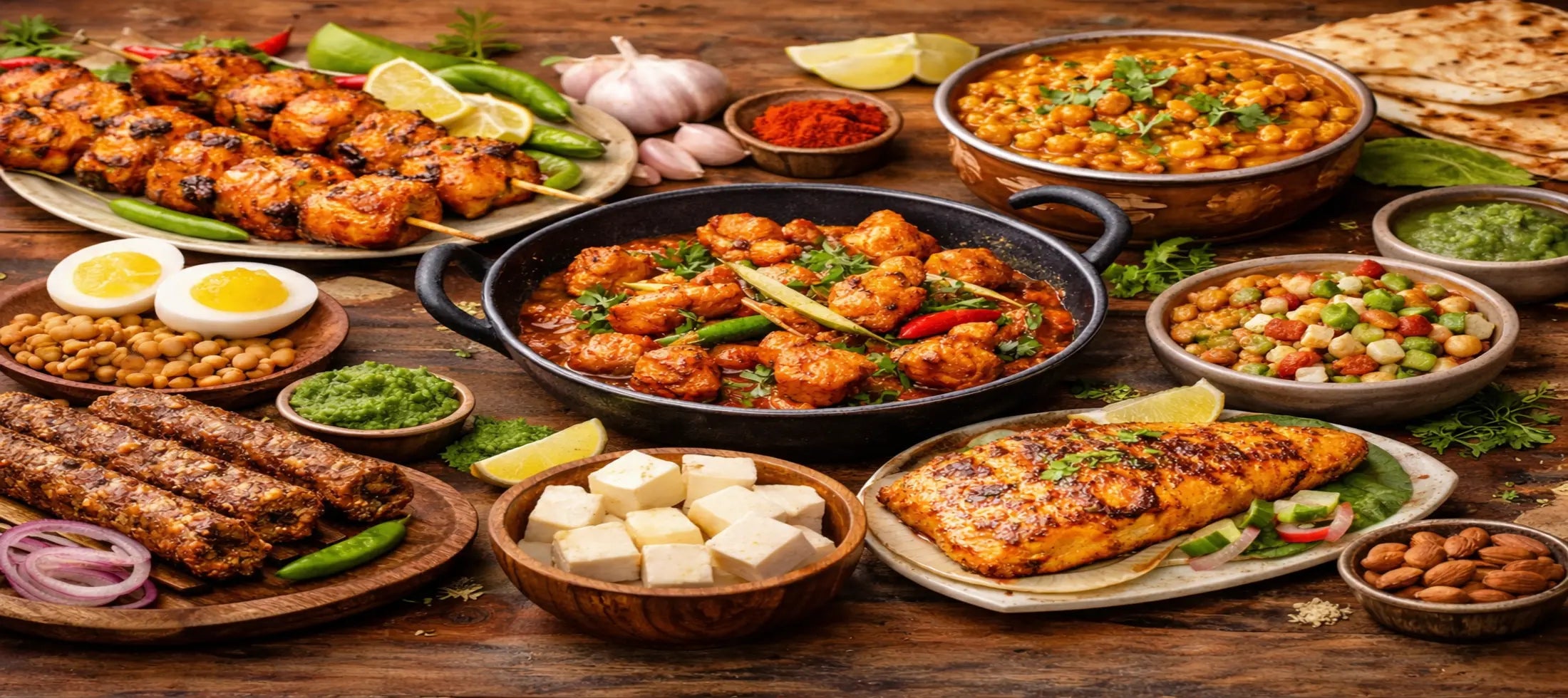
If you ask someone about Pakistani food, they will mention biryani, naan, and oil-rich curries. We are famous for our flavors, but we are also notorious for a diet that is heavy on carbs and fats while often ignoring protein.
There is a common belief that to build muscle or lose weight, you need to abandon desi food and switch to bland, boiled chicken or expensive supplements. This isn't true.
The traditional Pakistani kitchen is actually full of high-protein Pakistani foods; we just cook them in a way that buries their nutritional value under layers of oil and potatoes. You don't need to change your culture to change your body. You just need to know which ingredients to prioritize.
Why Protein Is Important in a Pakistani Diet
Our local diet relies heavily on wheat (roti) and rice. These are great energy sources, but without protein, they cause rapid blood sugar spikes and energy crashes.
Protein is the great equalizer. It slows down digestion, keeps you fuller for longer, and is the only macronutrient that repairs the tissues you break down during the day. Whether you are a housewife trying to lose a few inches or a student hitting the gym, increasing your intake of protein-rich foods in Pakistan is the single most effective change you can make for your health.
Daily Protein Requirements for Pakistanis
How much is enough? You don't need a calculator for every meal, but a general rule helps.
For the average sedentary Pakistani, about 0.8 grams of protein per kilogram of body weight is sufficient. However, if you are active or trying to change your body composition, you need more, aiming for 1.2 to 1.6 grams per kg.
For a 70kg person, that’s roughly 80–110 grams of protein daily. It sounds like a lot, but with the right natural protein foods, it is easily achievable.
High-Protein Pakistani Foods
Let's look at the powerhouse foods easily available in our markets.
1. Chicken (The Staple)
Chicken is the most accessible source of lean protein in the country.
-
Why it works: It’s versatile. A 100g serving gives you roughly 20-25g of protein.
-
Best way to eat: Chicken Tikka (dry), Steam Roast, or homemade Chicken Karahi with less oil. Avoid the deep-fried broast if you want the benefits without the baggage.
2. Beef and Mutton (Red Meat)
We love our Nihari and Paya, but red meat is also a top-tier muscle builder.
-
Why it works: It’s packed with iron, B12, and creatine.
-
Best way to eat: Minced meat (Keema) is excellent because you can drain the fat. Seekh Kababs and Chapli Kababs (shallow fried) are also great high protein diet Pakistani foods.
3. Eggs (The Cheapest Superfood)
With rising food prices, eggs remain the most cost-effective protein source.
-
Why it works: Bio-availability. Your body uses egg protein better than almost any other source.
-
Best way to eat: Boiled, scrambled, or a desi omelet loaded with veggies. Don't throw the yolk; that’s where the vitamins are.
4. Fish
While mostly consumed in winter, fish like Rahu or Palla are excellent.
-
Why it works: High protein with healthy Omega-3 fats.
-
Best way to eat: Grilled or Tandoori fish. Fried fish from street vendors is usually coated in thick batter, which ruins the health factor.
Vegetarian High Protein Foods in Pakistan
Vegetarians often struggle to hit protein goals, but it’s not impossible. You just need to combine sources.
1. Daal (Lentils)
Every household cooks daal. Varieties like Masoor, Moong, and Maash are staples.
-
The Catch: Daal is not a "complete" protein. You must eat it with roti or rice to get the full amino acid profile. A bowl of thick daal can give you 10-15g of protein.
2. Chana (Chickpeas)
White chana (chickpeas) and black chana are fantastic.
-
Why it works: They offer a mix of protein and fiber. A bowl of oil-free Chana Chaat is arguably the best post-workout snack for vegetarians.
3. Lobia (Kidney Beans)
Lobia is often underrated. It has a meaty texture and is one of the highest natural protein foods in Pakistan.
-
Best way to eat: Salads or a thick curry (Lobia ka salan) with minimal oil.
4. Yogurt and Paneer
Dairy is huge in Pakistan. A bowl of thick yogurt or homemade paneer (cottage cheese) adds a significant protein boost to any meal.
High Protein Foods for Weight Loss
If your goal is fat loss, you want foods that are high in protein but low in calories.
-
Egg Whites: Pure protein, zero fat. You can eat 5-6 egg whites for the calories of one paratha.
-
Chicken Breast: The gold standard for weight loss. It is filling and lean.
-
Boneless Fish: Steamed or grilled fish provides high protein without the heavy fats found in red meat.
High Protein Foods for Muscle Gain & Gym Diet
To build size, you need calories plus protein.
-
Whole Eggs: The fats in the yolk help with hormone production (testosterone) which drives muscle growth.
-
Beef Keema: Calorie-dense and rich in natural creatine.
-
Whole Milk: The old-school bodybuilder’s secret. Drinking pure milk provides a massive mix of protein rich foods for gym performance and growth.
-
Mix Daal & Rice: A classic combination that provides the energy needed for heavy lifting.
Protein Myths in Pakistani Diet
Myth 1: "Daal is just as good as meat." Not exactly. While daal is healthy, plant protein is less absorbed by the body than animal protein. You need to eat more daal to get the same protein benefit as a piece of chicken.
Myth 2: "Meat causes uric acid issues." For most healthy people, meat is fine. Uric acid issues usually stem from a metabolic breakdown or fructose (sugar) intake, not just protein. However, moderation is key.
Myth 3: "Protein heats up the body (Garam taseer)." This is an old concept. Protein requires more energy to digest (thermic effect), which is actually good for metabolism. It doesn't "heat" the body in a harmful way.
Conclusion
You don't need to empty your wallet on imported supplements to stay fit. The local market is full of Pakistani foods high in protein that can transform your health.
Whether it’s the humble egg, a bowl of chana, or a plate of tikka, the resources are there. The secret is simply to put more of these foods on your plate and a little less of the rice and roti. Prioritize protein at every meal, and your body will thank you.
FAQs:
Can You Meet Protein Needs Without Supplements?
100% yes. Supplements are for convenience. If you eat enough chicken, eggs, beef, and daal daily, you can easily hit your targets without ever touching a protein shake.
Can I get enough protein from Pakistani food?
Yes, but you have to change the ratio. A typical meal is 80% rice and 20% meat. Flip that. Make the meat or daal the main hero of the plate and the rice/roti the side dish.
What are cheap high protein foods in Pakistan?
Eggs, seasonal lentils (daal), liver (kaleji), and beef mince are the most affordable options. Buying chicken breast in bulk and freezing it is also cost-effective compared to buying daily.
Share:
The Ultimate Guide to Protein, Carbs, and Fats in Biryani, Daal, and Roti
Probiotics, Prebiotics, and the Gut-Brain Axis