

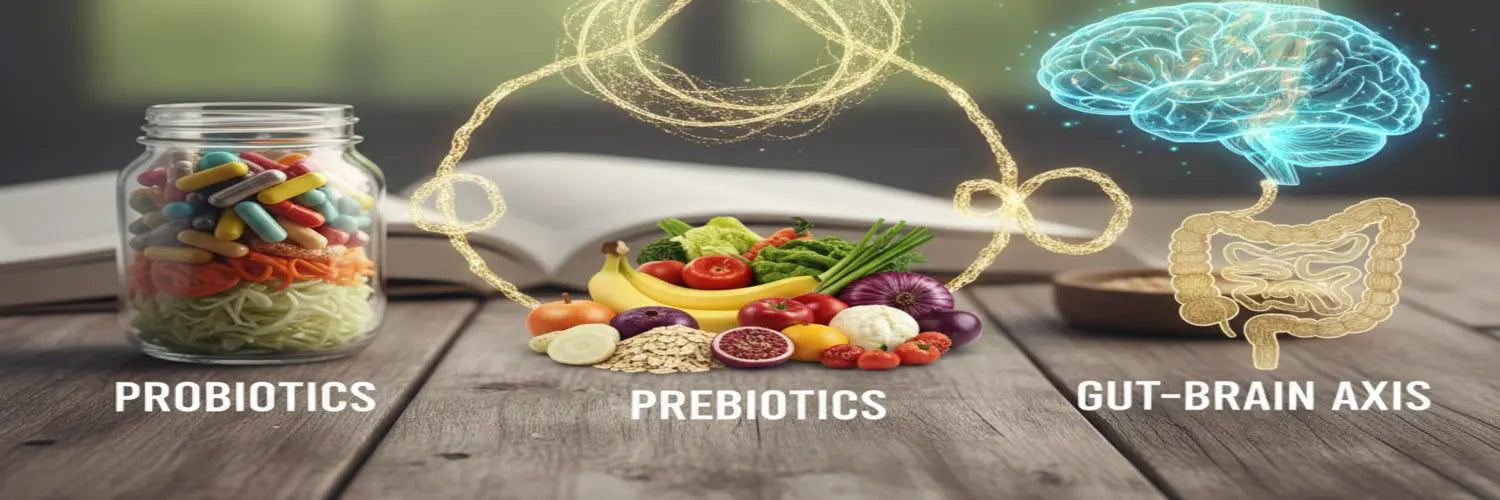

The gut-brain axis is a two-way communication line between your central nervous system (your brain and spinal cord) and your enteric nervous system (your gut).
Think of it as a dedicated hotline. Your brain sends signals to your gut (which is why stress causes diarrhea or nausea), and your gut sends signals back to your brain. This is where the concept of gut brain axis explained gets interesting: the health of your gut bacteria determines the quality of those messages. If your gut is inflamed or unbalanced, it sends "distress signals" to your brain, which can manifest as anxiety or depression.
How the Gut and Brain Communicate
This communication happens through three main channels:
-
The Vagus Nerve: The longest nerve in the body, connecting the brainstem to the abdomen. It acts as a superhighway for information.
-
Neurotransmitters: Surprisingly, your gut produces more mood-regulating chemicals than your brain does. About 90% of your serotonin (the happiness hormone) and 50% of your dopamine are made in the digestive tract.
-
The Immune System: Since 70% of your immune system resides in the gut, any imbalance there triggers systemic inflammation. This inflammation can cross the blood-brain barrier, leading to "brain inflammation" and mood disorders.
What Are Probiotics?
Probiotics are the "good" live bacteria and yeasts that live in your body. They are the workers that keep your digestive tract healthy. While your body naturally hosts trillions of them, stress, antibiotics, and a poor diet can wipe them out.
Taking gut health supplements or eating fermented foods replenishes these workers, helping them fight off bad bacteria and restore balance.
What Are Prebiotics?
If probiotics are the workers, prebiotics are their lunch.
Prebiotics are types of dietary fiber that the human body cannot digest. They travel to your lower colon intact, where they ferment and become fuel for the healthy bacteria (probiotics). Without prebiotics, the probiotics in your system can starve and die off.
Probiotics vs Prebiotics - What’s the Difference?
Understanding prebiotics vs probiotics is the key to a sustainable gut health strategy.
-
Probiotics (The Seed): You add these to your system to increase the population of good bacteria.
-
Examples: Yogurt, supplements, fermented pickles.
-
Prebiotics (The Fertilizer): You eat these to feed the bacteria you already have.
-
Examples: Onions, garlic, bananas, whole grains, Isphaghol.
Expert Tip: You need both. Taking probiotics without eating prebiotic fiber is like planting seeds in a desert.
How Probiotics Support the Gut-Brain Axis
This is the core of the probiotics and gut brain axis relationship. A healthy microbiome acts as a filter and a factory.
-
They produce "Psychobiotics": Certain probiotic strains (like Lactobacillus rhamnosus and Bifidobacterium longum) actively produce GABA, a neurotransmitter that calms the brain and reduces fear and anxiety.
-
They lower Cortisol: Studies show that a balanced gut can lower the body's secretion of cortisol, the primary stress hormone.
-
They repair the barrier: A healthy gut lining prevents toxins from leaking into the bloodstream (Leaky Gut Syndrome), which stops the inflammatory response that often leads to depression.
Benefits of Probiotics for Digestion and Mental Health
When you optimize your gut, you get a "two-for-one" benefit package.
1. Probiotics for Anxiety and Stress
We now have a name for probiotics that specifically support mental health: "psychobiotics." These strains help regulate the vagus nerve, effectively calming your nervous system and dampening the body's fight-or-flight response before stress takes over.
2. Digestive Relief (IBS and Bloating)
Given our love for spicy and rich foods, digestive distress is a frequent complaint in Pakistan. Probiotics for bloating help by breaking down the fibers that typically cause gas and pain. For many, they act as the most effective tool for managing Irritable Bowel Syndrome (IBS) symptoms daily.
3. Gut Health and Immunity
A strong microbiome trains your immune cells to distinguish between friend and foe. Regular probiotic use acts as a shield, reducing the frequency of common colds and infections.
Who Should Use Probiotics in Pakistan?
Given our local lifestyle, digestive health supplements are highly recommended for:
-
Antibiotic Users: Antibiotics are widely prescribed in Pakistan. They kill bacteria indiscriminately. If you have taken antibiotics recently, you must use probiotics to rebuild your gut flora.
-
IBS Sufferers: Anyone dealing with chronic constipation, diarrhea, or gas.
-
People with High Stress: If you have a high-pressure job or lifestyle, your gut bacteria are likely depleted.
-
Those with Skin Issues: Acne and eczema are often red flags for internal gut inflammation.
Are Probiotic Supplements Safe?
Initial Side Effects: You might feel a bit gassy or bloated for the first 3-4 days. Don't worry—this is actually a positive sign. It means the new, healthy bacteria are settling in and crowding out the bad ones.
Precautions: While generally safe, if you have a compromised immune system or are undergoing chemotherapy, you should check with your doctor before adding live bacteria to your diet.
How to Choose the Best Probiotics in Pakistan
Many supplements on the shelf are ineffective due to poor storage or low quality. To ensure you aren't wasting your money, look for these details to find the best probiotics in Pakistan:
-
Check the CFUs: You generally need a potency between 5 Billion and 20 Billion CFUs for daily maintenance. A higher number isn't necessarily better; consistency is what counts.
-
Strain Diversity: Look for a "Multi-Strain" formula. You want a mix of Lactobacillus (for the small intestine/immunity) and Bifidobacterium (for the colon/constipation).
-
Packaging: Probiotics are fragile. In the Pakistani heat, heat-stable strains (like Bacillus coagulans) or refrigerated brands are superior to standard ones sitting on a hot shelf.
-
Avoid Sugar: Gummy probiotics often contain sugar, which feeds the bad bacteria. Stick to capsules or powders.
Natural Sources of Probiotics & Prebiotics in Pakistani Diet
You don't always need a pill. Our traditional Pakistani diet is rich in gut-healing foods if you know where to look.
Top Probiotic Foods (The Good Bacteria)
-
Dahi (Yogurt): The undisputed champion. Ensure it is fresh and natural. Avoid the ultra-processed, sugary yogurts found in supermarkets.
-
Lassi: A traditional probiotic drink. Drink it salted (namkeen) rather than sugary for the best effect.
-
Kanji: A fermented drink made from black carrots, mustard seeds, and water. It is a probiotic powerhouse during winter.
-
Traditional Achar: Pickles made in oil and salt undergo fermentation. A small amount aids digestion. (Note: Vinegar-based pickles do not have probiotics).
Top Prebiotic Foods (The Food for Bacteria)
-
Isphaghol (Psyllium Husk): A fantastic soluble fiber that feeds good bacteria and regulates bowel movements.
-
Garlic & Onions: Used in almost every handi, these are excellent prebiotics.
-
Daal (Lentils) & Chana (Chickpeas): These are excellent, affordable sources of resistant starch and fiber.
-
Whole Wheat Roti: A simple way to get the prebiotic fiber your gut bacteria need to survive.
Conclusion
You cannot separate your mental state from your digestion. If your gut is unhappy, your mood often follows.
Whether you choose a digestive health supplement or simply commit to eating more Dahi and Isphaghol, fixing your gut is one of the fastest ways to improve both your immunity and your mental resilience. Start with small changes, cut down on processed sugar, and listen to your bodyp; it’s trying to tell you something.
FAQs
How do probiotics affect mental health?
Probiotics help produce neurotransmitters like serotonin (the "happy hormone") and GABA (which calms anxiety). They also reduce inflammation in the body, which helps improve communication between the gut and the brain.
Are probiotics safe for daily use?
Yes, they are generally safe for long-term daily use. Consistency is key to seeing results.
Can probiotics help with anxiety and stress?
Yes. Specific strains known as "psychobiotics" have been shown to lower cortisol (stress hormone) levels and alleviate symptoms of mild anxiety and depression.
Share:
High Protein Pakistani Foods You Should Add to Your Diet
Top 10 Collagen-Rich Foods to Include in Your Diet