

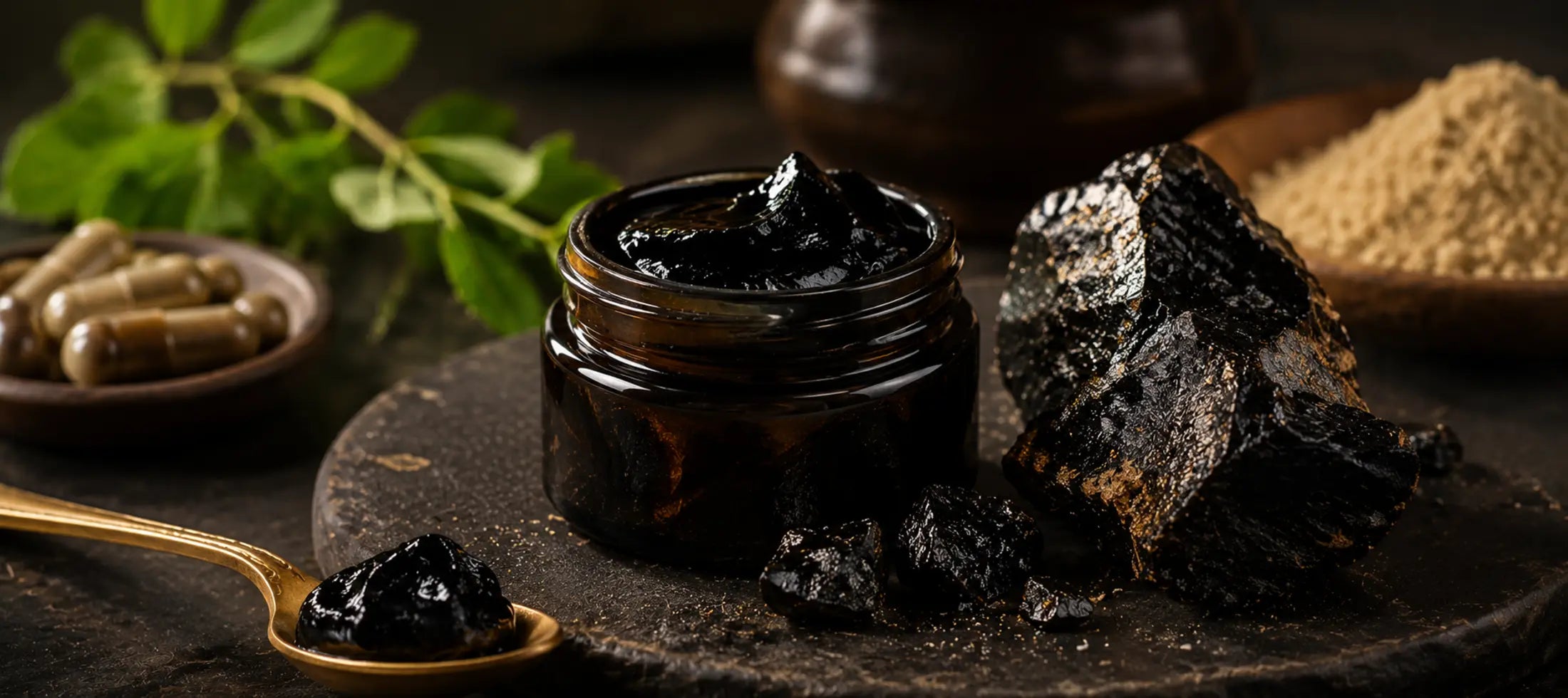

Overview of Shilajit as a Popular Supplement
Shilajit is commonly used as a supplement for energy, stamina, recovery, and general wellness. It has been used for centuries in Ayurveda, especially in Himalayan regions where shilajit naturally forms in mountain rocks.
Today, shilajit is sold in resin, powder, liquid, and capsule form. Many people take it for workout recovery, fatigue, focus, or physical performance. Interest in shilajit has also increased because of compounds such as Fulvic Acid and Trace Elements.
Even though shilajit is natural, it is not safe for everyone. Product quality, dosage, health conditions, and medication use all matter. Some products may also contain contaminants if they are not properly purified.
Why Safety and Precautions Matter
One of the biggest problems in the supplement industry is inconsistent product quality. Fake or low-quality shilajit may contain heavy metals, fungi, or other contaminants.
Shilajit safety becomes more important for people who:
-
Have chronic medical conditions
-
Take prescription medications
-
Are pregnant or breastfeeding
-
Have low blood pressure
-
Have iron-related disorders
-
Use multiple supplements together
Using Purified Shilajit from a trusted source lowers the risk of side effects and contamination.
Understanding Shilajit
What is Shilajit and Its Traditional Uses
Shilajit is a sticky, mineral-rich substance formed from decomposed plant matter over a long period of time. It is mainly found in mountain regions such as the Himalayas.
In Ayurveda, shilajit has traditionally been used to support:
-
Energy levels
-
Stamina
-
Recovery from fatigue
-
General vitality
Modern users often take shilajit for energy support and exercise recovery.
Key Active Components: Fulvic Acid, Minerals, and Trace Elements
Shilajit contains several naturally occurring compounds linked to its effects.
These include:
-
Fulvic Acid
-
Trace Elements
-
Antioxidants
-
Humic substances
-
Minerals
Fulvic acid may help with nutrient transport in the body, while trace minerals support normal cellular function.
Health Benefits Supported by Research
Research on shilajit is still limited, but current studies suggest it may help support:
-
Energy production
-
Reduced fatigue
-
Exercise recovery
-
Antioxidant activity
-
Healthy aging
Some people also use shilajit as a natural Energy Boost supplement.
Results vary depending on dosage, consistency, and product quality.
Potential Side Effects of Shilajit
Common Mild Side Effects
Most healthy adults tolerate purified shilajit without major issues when using moderate doses. Still, mild side effects can happen.
Common side effects include:
-
Upset stomach
-
Nausea
-
Headaches
-
Dizziness
-
Mild digestive discomfort
These problems are more likely with excessive intake or poor-quality products.
Rare but Serious Reactions
Serious reactions are less common but still possible.
Potential risks include:
-
Heavy metal toxicity
-
Excess iron levels
-
Irregular heartbeat
-
Severe Allergic Reactions
-
Blood pressure changes
Low-quality or contaminated shilajit products increase these risks.
Symptoms to Watch Out For
Stop using shilajit and seek medical help if you notice:
-
Rash or itching
-
Swelling around the face or throat
-
Difficulty breathing
-
Chest pain
-
Severe vomiting
-
Rapid heartbeat
These symptoms may indicate a serious reaction.
Who Should Avoid Shilajit
Individuals with Pre-Existing Health Conditions
Some medical conditions can increase the risk of side effects from shilajit.
People with the following conditions should avoid it unless approved by a healthcare professional:
-
Kidney disease
-
Liver disease
-
Hemochromatosis
-
Low blood pressure
-
Autoimmune disorders
-
Serious heart conditions
Because shilajit contains minerals and active compounds, it may affect blood pressure, iron levels, and immune activity.
Pregnant and Breastfeeding Women
Women who are Pregnancy or Breastfeeding should avoid shilajit unless advised by a qualified doctor.
There is not enough research confirming that shilajit is safe during pregnancy or breastfeeding.
Children and Adolescents
Children and teenagers should generally avoid shilajit supplements.
The long-term effects of concentrated mineral supplements on developing bodies are still unclear.
People on Certain Medications
Shilajit may cause Drug Interactions with certain prescription drugs.
Extra caution is needed for people taking medications for:
-
Diabetes
-
Blood pressure
-
Blood thinning
-
Iron supplementation
-
Immune suppression
Combining supplements with prescription medication without guidance can increase risks.
Drug Interactions and Precautions
Medications that May Interact with Shilajit
Shilajit may affect blood sugar levels, blood pressure, and mineral absorption.
People taking the following medications should speak with a healthcare professional before using shilajit:
-
Insulin
-
Diabetes medications
-
Blood pressure medications
-
Anticoagulants
-
Iron supplements
Natural supplements can still affect how medications work in the body.
Timing and Dosage Considerations to Avoid Risks
Taking more shilajit does not always produce better results. Excessive intake may increase side effects without improving benefits.
To reduce risk:
-
Start with a small dose
-
Follow product instructions
-
Avoid combining too many supplements
-
Stay hydrated
-
Monitor your body’s response
Moderate and consistent use is usually safer.
Consulting Healthcare Professionals
People with medical conditions or prescription medication use should consult a healthcare professional before starting shilajit.
This is especially important for:
-
Older adults
-
People with chronic illness
-
Individuals taking multiple medications
-
People sensitive to supplements
Choosing Safe and Authentic Shilajit
How to Identify Purified and High-Quality Shilajit
Purified Shilajit is safer than raw or unprocessed shilajit.
Look for products that provide:
-
Third-party lab testing
-
Heavy metal screening
-
Ingredient transparency
-
Purification information
-
Verified sourcing
Trusted brands are usually more transparent about testing and quality control.
Avoiding Contaminated or Fake Products
Fake shilajit products are common in online marketplaces.
Warning signs include:
-
Extremely low prices
-
Unrealistic health claims
-
Missing lab reports
-
Poor packaging
-
Unknown sellers
Cheap products may cost more later if they compromise safety.
Recommended Brands or Sourcing Guidelines
When buying shilajit:
-
Choose reputable supplement companies
-
Check third-party testing reports
-
Read verified customer reviews
-
Avoid suspicious online listings
-
Prefer standardized formulations
Reliable sourcing matters more than aggressive marketing claims.
Best Practices for Safe Use
General Safety Guidelines
Most healthy adults can use purified shilajit safely when following proper guidelines.
Basic safety practices include:
-
Use purified shilajit only
-
Follow recommended dosages
-
Avoid excessive long-term use
-
Monitor side effects
-
Stop use if symptoms appear
Moderation is important with any supplement.
Recommended Dosage and Duration
Many purified shilajit supplements are commonly used in doses between 250 mg and 500 mg daily.
The ideal dosage depends on:
-
Product concentration
-
Supplement form
-
User tolerance
-
Health condition
Always follow the instructions provided by the manufacturer or healthcare professional.
Monitoring Effects and Adjusting Use
Pay attention to how your body reacts after starting shilajit.
Monitor changes in:
-
Energy levels
-
Digestion
-
Sleep quality
-
Mood
-
Recovery
-
Blood pressure
Reduce the dosage or discontinue use if negative symptoms develop.
FAQs About Shilajit Safety
Can Shilajit Cause Allergic Reactions?
Yes. Although uncommon, some people may develop Allergic Reactions after taking shilajit.
Symptoms may include itching, swelling, rash, or breathing difficulty.
Is It Safe to Take Daily?
Many healthy adults use purified shilajit daily without major issues when using moderate doses. However, long-term research is still limited.
Can It Affect Blood Sugar or Blood Pressure?
Yes. Shilajit may influence blood sugar and blood pressure levels in some people. Individuals with diabetes or hypertension should use caution.
How to Reduce the Risk of Side Effects?
You can lower the risk of side effects by:
-
Using purified shilajit
-
Buying from trusted brands
-
Starting with lower doses
-
Avoiding fake products
-
Following dosage guidelines
What to Do If I Experience Adverse Effects?
If you experience adverse effects:
-
Stop taking shilajit
-
Monitor symptoms carefully
-
Contact a healthcare professional
-
Seek emergency help for severe symptoms
Conclusion
Key Takeaways on Shilajit Safety
Shilajit may support energy, recovery, and wellness, but safety should come first.
Product quality, dosage, health conditions, and medication use all affect how safe shilajit may be for an individual.
People with chronic illness, prescription medication use, Pregnancy concerns, or sensitivity risks should be especially careful.
Final Recommendations for Safe Supplementation
For safer supplementation:
-
Use Purified Shilajit only
-
Avoid fake or contaminated products
-
Follow dosage recommendations
-
Monitor side effects
-
Consult a healthcare professional when necessary
Responsible use and proper sourcing reduce unnecessary risks.
Share:
Different Forms of Shilajit: Resin vs Powder vs Capsules Explained
Why Pakistani Adults Are Turning to Berberine for Weight Loss: The AMPK Science Explained