

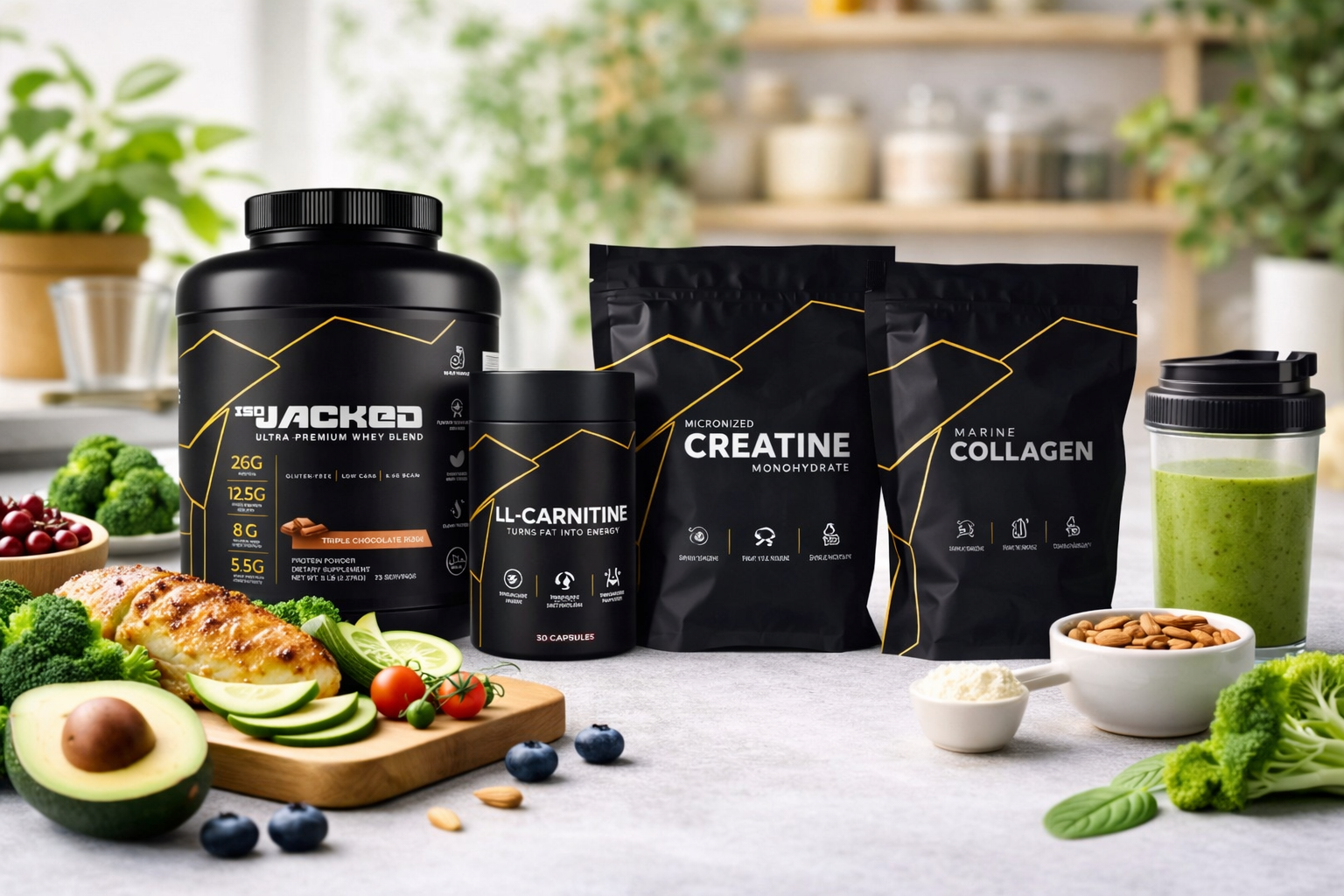

The supplement market is evolving quickly, and much of this change comes down to Consumer preferences in the supplement industry. Today, people are more aware of what they consume. They read labels, avoid artificial ingredients, and look for clean, natural options that align with their health goals. Instead of trusting marketing claims, consumers now expect transparency, quality, and real value, pushing brands to adapt and become more honest and consumer-focused.
Overview of the Modern Supplement Industry
Today’s supplement market is big and growing. Globally, sales of dietary supplements keep rising each year as people focus on health and immunity. Technology and social media have made information more accessible, so buyers know what to look for. As a result, supplement companies are innovating more than before.
For instance, new products might feature ancient herbs or probiotic blends. Even in Pakistan, the market has boomed: recent data show massive increases in supplement imports, reflecting sudden consumer demand.
More people are trying supplements for general wellness, sports performance, or specific goals like better sleep or gut health.
Shifting Consumer Preferences and Expectations
Consumers now demand higher quality and honesty. A clean label is a major trend: shoppers want products with recognizable, natural ingredients and nothing artificial. Shoppers consider it important to buy clean-label products, including supplements.
This means they often avoid products with colorings, fillers, or synthetic additives. Transparency goes hand-in-hand: customers trust brands that clearly list all ingredients and sourcing. In fact, clear labeling and honest claims build brand trust, a crucial factor for supplement buyers.
Consumers also want products that match their values. Many prefer plant-based supplements and sustainable packaging. This shift is partly driven by broader health and environmental awareness. For example, younger adults and women especially look for clean, green choices.
They read online reviews and social media to check if a brand is reputable. Companies that respond by offering pure, simple products are gaining loyal customers.
In Pakistan, similar patterns emerge: fitness enthusiasts and health-conscious people are checking labels and seeking quality Dietary Supplements. Brands are learning to market honesty and wellness, not just muscle gains.
Rise of Clean Label and Transparency
The clean label movement is reshaping supplement R&D. Brands now often advertise “no artificial ingredients” or “free from common allergens.” Transparency has become a selling point: clear ingredient lists and third-party testing seals are more common.
Consumers are starting to expect that any harmful or unwanted substances are left out. This was less common in the past. Today, if a label says “clean formula,” “vegan,” or “certified organic,” many people will be more willing to buy. In fact, global studies show nearly half of consumers are influenced by clean-label claims.
Transparency goes beyond ingredients, too. Buyers want to know how products are made, and they pay attention to a brand’s story and ethics. A supplement that says it’s made in a safe, regulated facility or highlights its sustainable sourcing gains consumer confidence.
If you see a supplement bottle that explains each component or has lab-test results online, you feel it’s more trustworthy. This is why many companies now post Certificates of Analysis or detailed FAQs. In Pakistan, as local supplement brands emerge, the most successful ones are those that share this openness.
SEE ALSO: Ensuring Supplement Quality in Pakistan
Demand for Natural and Plant-Based Products
There is a clear trend toward natural and plant-based supplements. People increasingly avoid synthetic chemicals and prefer ingredients found in nature. For example, botanical extracts like turmeric or ashwagandha have become household names.
Even standard products like protein powders now often have plant-based versions (peas, brown rice protein, hemp) for those who avoid dairy or animal products. In fact, supplements containing plant proteins and herbal ingredients have seen rising sales.
One reason is health: many believe “natural” means safer. Another reason is lifestyle: with more people adopting vegetarian or vegan diets, they look for supplements that fit their choices.
This shift affects not only protein powders, but also things like omega-3s (algae-based omega-3 instead of fish oil), and multivitamins (made from food concentrates rather than synthetic pills).
Even sports supplements reflect this: for instance, beta-alanine or creatine powders might now come with a “clean” profile. In Pakistan, traditional herbal supplements (like black seed oil) are also popular, blending old practices with modern demand.
Influence of Fitness and Wellness Trends
Fitness trends have a big impact on supplement demand. When a certain workout style or diet becomes popular, related supplements often see a boost. For example, the recent hype around high-intensity interval training (HIIT) and CrossFit led to more people buying pre-workout formulas and protein bars.
Similarly, interest in gut health has driven probiotic supplements onto gym bag lists. Social media fitness influencers also change buying habits: if a well-known athlete or trainer endorses a product, sales can spike.
Another trend is the growth of niche sports: rock climbing, martial arts, or even e-gaming (yes, esports! players also use supplements now for focus). As these communities expand, they demand sports-specific supplements (like endurance powders or energy gels).
Even home fitness trends (which grew during the pandemic) have made consumers look for easy-to-use supplements at home, such as ready-to-drink shakes. Globally, the sports nutrition market is projected to grow substantially in the next few years, driven by these trends.
In Pakistan, there’s a rising interest in sports nutrition, too. More gyms and fitness apps mean people are trying supplements like protein shakes and weight-gainers. Brands that offer products in local markets (for example, whey protein or creatine powders) find a growing customer base. As Pakistani consumers become more fit-focused, demand for quality Sports Nutrition Supplements rises alongside global trends.
Challenges and Opportunities for Brands
With these changing preferences, supplement brands face both hurdles and chances.
Opportunity: Brands that adapt to clean, natural formulas and communicate well can capture market share. Customized supplements (e.g., capsules tailored to your diet) are an emerging market. Younger consumers especially like personalized plans (for example, vitamin packs based on a quiz or test).
Challenge: Competition is fierce. New entrants keep showing up, making it harder to stand out. Brands must invest in research to prove their product’s benefits. Any scandal or ingredient failure can quickly damage reputation in the age of instant reviews.
Packaging and presentation are also crucial. For example, attractive, clear labels can influence sales. Research in retail nutrition shows that modern, clean packaging makes buyers trust a product more.
Meanwhile, environmental concerns are a factor: some consumers avoid products with non-recyclable containers or excess plastic. Brands that offer eco-friendly packaging or highlight ethical sourcing can gain favor.
Finally, regulations are an ongoing concern. The industry is under more scrutiny now, with calls for stricter labeling laws. Companies that preemptively ensure quality, for instance, by following good manufacturing practices, will be in a better position.
On the flip side, this means smaller local brands (even in Pakistan) have a chance to shine by emphasizing safety and authenticity.
Future Outlook of the Supplement Industry
Looking ahead, the supplement market is likely to keep evolving around consumer values. Clean label and natural products will remain popular. Expect more products claiming “organic,” “non-GMO,” or “plant-based.” Personalization will grow, think DNA-based nutrition plans or custom vitamin blends.
Digital influence will also increase: online reviews, influencer endorsements, and e-commerce platforms will shape choices. Reliable brands with strong online reputations will do well, since many buyers read reviews (over 90% of consumers check reviews before buying online).
For Pakistan, as incomes and health awareness rise, demand for high-quality supplements (both local and imported) will continue. Future supplement industry trends may include Ayurvedic supplements (rooted in local tradition but branded for modern users) and more sports nutrition tailored for South Asian athletes.
Overall, the future is about trust and meeting consumer needs. Companies that listen to what customers want, whether it’s transparent labels, vegan options, or clean ingredients, will thrive. The industry is moving from selling promises to delivering proven, consumer-aligned products.
Key Takeaways
-
Consumers today demand transparency and clean ingredients. Products without artificial additives are favored.
-
Brand trust and reviews matter. Shoppers rely on positive online reviews and clear brand messages when choosing supplements.
-
Natural and plant-based products are trending. Pea, rice, and other plant proteins, as well as herbal supplements, are more popular than before.
-
Fitness and wellness trends drive demand. Growth in sports, wellness diets, and lifestyle trends (like keto or veganism) shapes which supplements people buy.
-
In Pakistan, the supplement market is growing rapidly. Dietary Supplements in Pakistan and Sports Supplements are in higher demand as consumers become more health-conscious.
FAQs
Why are clean-label supplements becoming more popular?
People are more health-aware and want simple, natural ingredients. Clean-label supplements (with no artificial fillers or colors) match this trend of safety and transparency.
What do consumers look for when buying supplements?
Mainly safety and effectiveness. They check ingredient lists, prefer recognizable foods, and trust brands with clear information. They also look for certifications (like organic) and third-party testing.
How does transparency affect consumer trust in supplement brands?
It has a big impact. When brands openly list all ingredients and testing results, consumers feel more confident. Clear labels and honest marketing build trust.
What role do online reviews play in supplement purchasing decisions?
A huge role. Most people read reviews before buying. Positive feedback and high ratings on websites or social media significantly increase the likelihood of purchase.
Does packaging impact supplement buying behavior?
Yes. Attractive, clean design and easy-to-read labels can grab a buyer’s attention. Sustainable or convenient packaging (like single-serve sachets) also influences decisions, as it signals quality and care.
What is the future of the supplement industry based on current trends?
The industry will continue moving towards clean, personalized, and natural products. We can expect more plant-based supplements, customized nutrition plans, and smart formulations that align with overall wellness trends. Markets like Pakistan will keep growing as people increasingly use supplements for health and fitness.
Share:
Building a Balanced Diet to Support Strength and Endurance
Useful Tips to Take Care of Your Skin in Hot Weather