

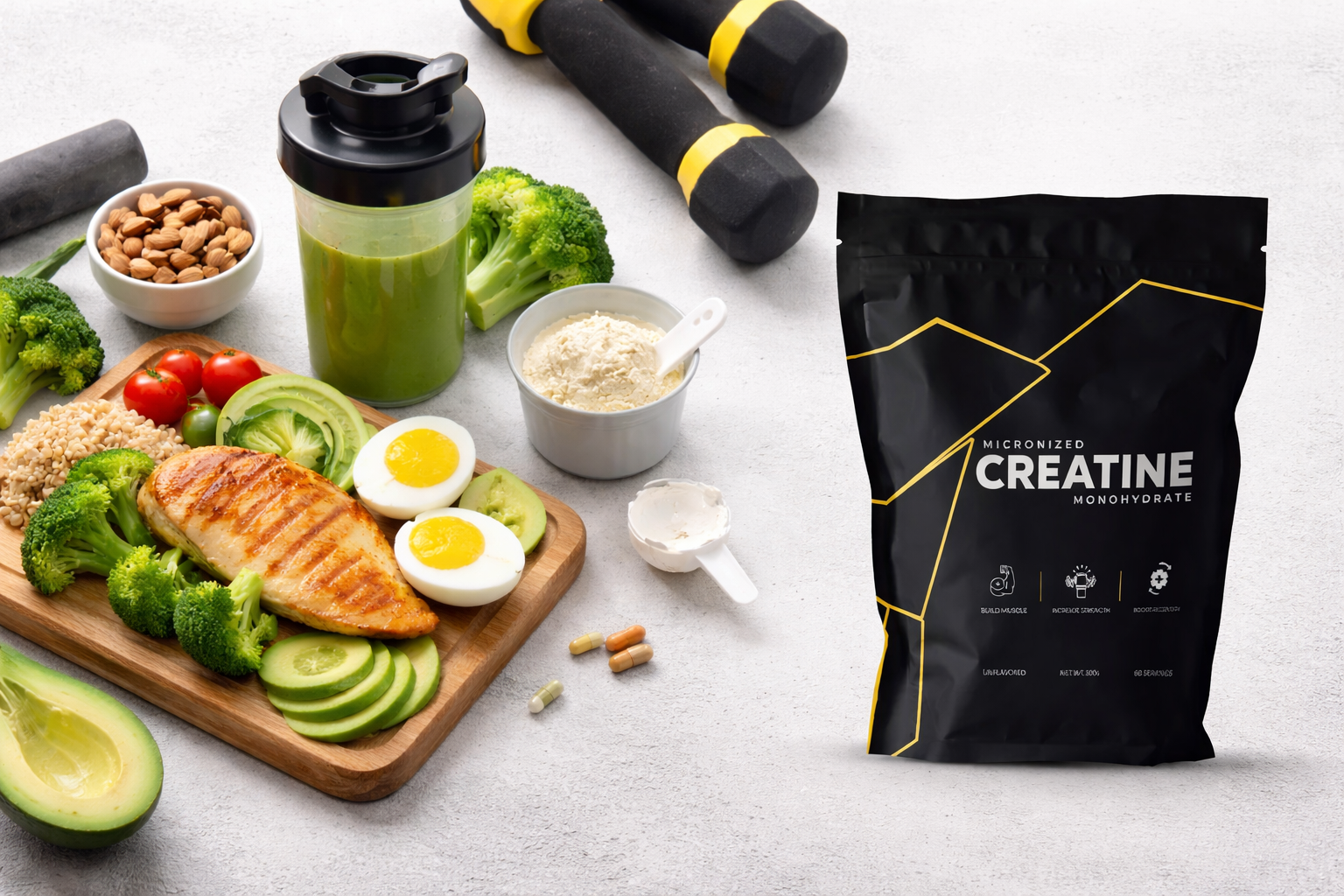

A balanced diet for strength and endurance gives your body the fuel it needs for both heavy lifting and long workouts. Think of it as a mix of proteins, carbohydrates, and fats, plus vitamins and minerals. This combination helps build muscle power and keeps you energetic for longer exercises. You can improve your stamina and get stronger in a healthy way by eating the right foods at the right times.
Understanding Strength and Endurance Nutrition
Strength training (like weightlifting) and endurance training (like running or cycling) both need good nutrition, but the focus shifts a bit. For strength, you need enough protein to repair muscles and some carbs for energy. For endurance, carbs are especially important to keep you going for a long time. Overall, your diet should match your activity.
If you’re very active, you will need more calories to supply energy. High-quality food choices like eggs, milk, lean meat, beans, and whole grains give both strength (protein) and fuel (carbs). Eating a colorful diet of fruits and vegetables adds vitamins that help your body use that fuel efficiently.
Importance of Protein for Strength Development
Protein is the superstar when it comes to building muscle. When you lift weights or do strength exercises, your muscles break down a bit. Protein then repairs and rebuilds them bigger and stronger.
How much do you need? Athletes often aim for about 1.2–2.0 grams of protein per kg of body weight each day. For example, a 70 kg person might eat around 84–140 grams of protein per day.
Good sources include chicken, fish, eggs, dairy, and beans. Spreading protein through the day (15–30 grams at meals) helps your muscles rebuild continuously.
Supplements can help if needed: Creatine Supplements are popular for strength; it gives muscles extra energy for those heavy lifts. But whole foods should be your main source of protein.
Carbohydrates as the Primary Energy Source
Carbohydrates are your body’s main fuel, especially for endurance sports. When you run or cycle, your body uses stored carbs (glycogen) to keep going. Eating the right carbs keeps those stores full.
Best choices are complex carbs like whole grains (brown rice, oats), fruits, and vegetables. These release energy slowly, preventing crashes. Before a long workout, eating pasta, rice, or bread a few hours ahead boosts your energy levels.
During very long workouts, athletes often eat carbs like bananas or sports gels to maintain energy. After exercise, carbs help recovery by refilling glycogen. Overall, about 55–65% of your calories might come from carbs if you’re an endurance athlete. Even in strength training, some carbs (around 40–50% of calories) are important to fuel explosive lifts.
Healthy Fats for Sustained Energy
Healthy fats provide a steady source of energy and support long-term endurance. Foods like nuts, seeds, avocados, olives, and oily fish give monounsaturated and polyunsaturated fats, which help your body work efficiently. These fats are slower to burn, so your body taps them during long, steady efforts (like long runs or bike rides).
Fats also help absorb vitamins and protect organs. You don’t need a huge percentage of your diet as fat – maybe 20–30% – but include sources like flaxseed, salmon, and olive oil.
For example, adding a handful of nuts as a snack or using olive oil on salads helps you feel full and provides fuel during training. Remember, balance is key: don’t eliminate fat, but choose healthy kinds over fried or processed fats.
SEE ALSO: Stop Worrying About Fats in Your Diet
Key Micronutrients for Strength and Endurance
Besides macros, certain vitamins and minerals are vital. B-vitamins (like B6 and B12) help convert food into energy, and iron carries oxygen to muscles (so you don’t tire easily). If you’re low on iron (common in runners and some vegetarians), you may feel weak. Foods like spinach, eggs, meat, or fortified cereal help.
Calcium and vitamin D keep bones strong under heavy training. Sodium and potassium (in sports drinks or bananas) replace what you lose in sweat and keep muscles working.
In general, a colorful diet of fruits and vegetables covers most micronutrients. For endurance, focus on foods like sweet potatoes (vitamin A) and whole grains (B-vitamins). If your diet has variety, you’ll naturally get most needed vitamins and minerals.
Pre-Workout and Post-Workout Nutrition
Eating around workouts is important for both strength and endurance. Before workouts, have a meal or snack with carbs and some protein about 1–2 hours prior. Good options: oatmeal with milk, banana with peanut butter, or yogurt with fruit.
This gives energy and prevents hunger during training. During long workouts (over an hour), take in carbs (like an energy bar or diluted sports drink) every 30–60 minutes to keep glucose levels up.
Some athletes also include supplements like Micronized Creatine Monohydrate before or after workouts to support strength, improve performance, and enhance muscle recovery over time.
After workouts, focus on recovery: eat both carbs and protein within 2 hours. This might be a chicken-and-vegetable sandwich, rice and beans, or a smoothie with protein powder and fruit.
This combo rebuilds muscle and restocks energy. Staying hydrated before, during, and after is equally vital. A simple rule: drink water steadily, and if you sweat a lot, consider a sports drink to replace sodium and carbs.
Key Takeaways
-
A balanced plate is your best tool: combine protein (meat, dairy, or plant sources), carbohydrates (grains, fruits, vegetables), and healthy fats each day.
-
Strength training needs more protein (about 0.6–0.9 g per pound body weight) while endurance training needs more carbs (over half your calories).
-
Spread nutrients through the day: small protein portions at each meal (15–30g) and carbs before/after workouts help strength and stamina.
-
Don’t skip meals: steady eating keeps your energy stable. Snacks like nuts, fruit, or yogurt can top up fuel.
-
Stay hydrated and consider electrolytes for long workouts or hot weather. Even mild dehydration lowers performance.
FAQs
How much protein is needed for strength training?
Strength athletes often aim for about 1.2–2.0 grams of protein per kilogram of body weight each day. This supports muscle repair and growth.
Why are carbohydrates important for endurance athletes?
Carbs are the main fuel for long, intense exercise. They help maintain blood sugar and fill muscle glycogen so you have energy throughout the workout.
What foods help improve stamina and strength?
Whole grains (brown rice, oats), fruits, and vegetables (bananas, berries, leafy greens) give energy and nutrients for stamina. Lean proteins (chicken, fish, eggs, beans) build and repair muscle, boosting strength.
How do healthy fats support long workouts?
Healthy fats (from nuts, seeds, avocados, oily fish) provide steady energy during prolonged exercise and aid vitamin absorption. They help your body fuel low-intensity, long-duration activity.
How can a balanced diet improve athletic performance?
A balanced diet ensures you get enough energy, protein, and nutrients to train hard and recover well. It reduces fatigue and injury risk, helping you perform your best.
Which micronutrients are important for endurance and recovery?
B-vitamins (turn food into energy), iron (carry oxygen), calcium and vitamin D (bones and muscles), plus electrolytes (sodium, potassium) are key. They help with energy production and muscle function.
Share:
How Proper Nutrition Improves Training Results and Recovery
How Consumer Preferences are Changing the Supplement Industry