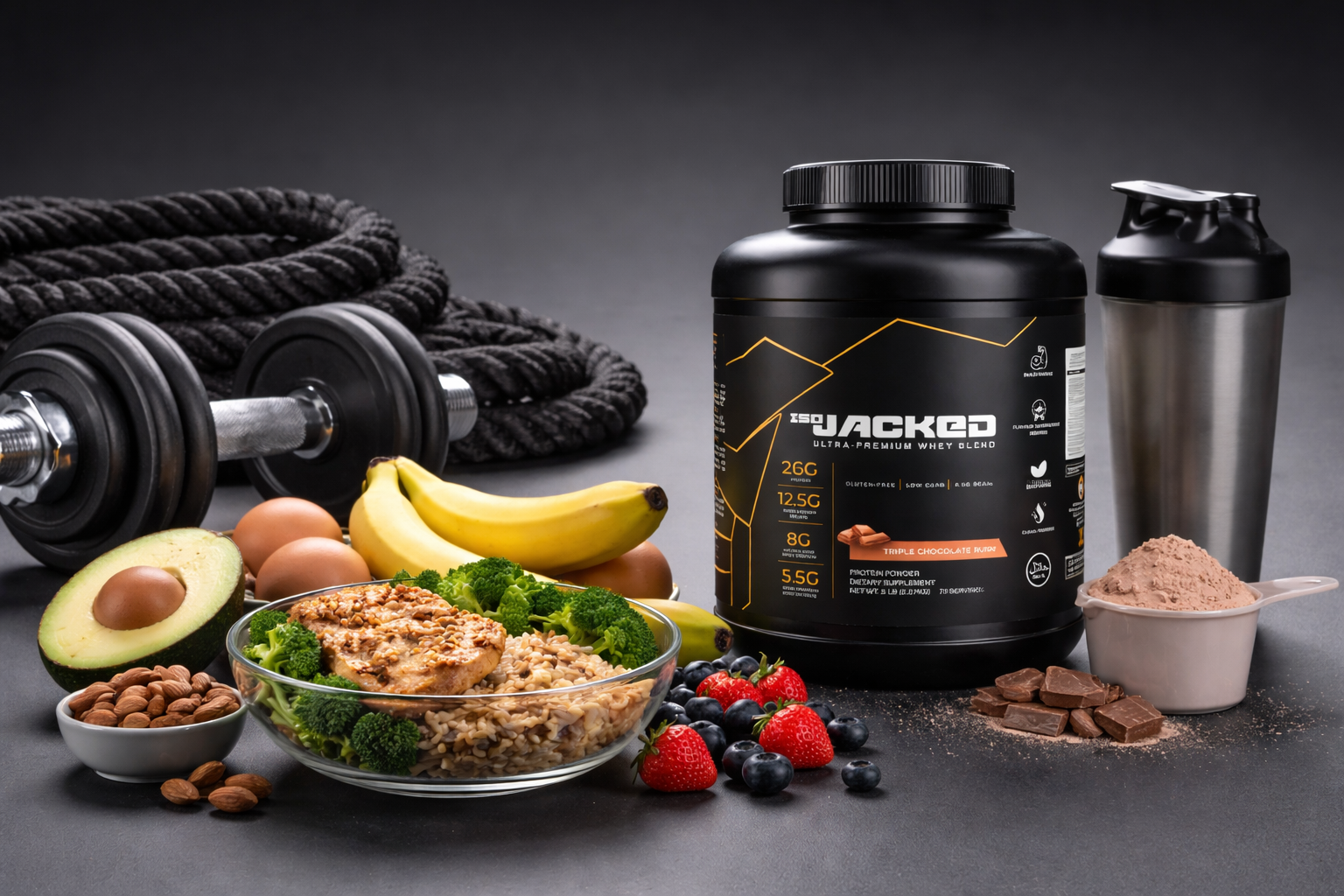

Good nutrition is like fuel for your workout engine. When you feed your body the right foods, your muscles get the energy and nutrients they need to work harder and grow. In fact, proper nutrition improves training results by giving you more power during workouts and helping you bounce back faster.
Connection Between Nutrition and Training
Your body needs energy and building blocks to handle exercise. Eating well means your workouts can be more effective and you recover more quickly. Without good nutrition, workouts feel harder, and recovery is slower.
Think of food as fuel: carbohydrates and proteins give you energy to train, and they help your body adapt (get stronger and faster) after exercise. In many cases, people also rely on Protein Supplements in Pakistan to meet their daily protein needs, especially when dietary intake is not enough to support intense training.
Key Nutrients that Fuel Your Workouts
-
Carbohydrates: These are your main energy source. Complex carbs from whole grains, fruits, and vegetables give long-lasting fuel, helping you push through tough workouts.
-
Protein: Proteins provide amino acids that repair and build muscle. After lifting or running, protein helps rebuild muscle fibers so you get stronger. Foods like lean meat, eggs, yogurt, or plant options are great sources.
-
Healthy Fats: Good fats (from nuts, seeds, fish, or avocados) are energy-dense and support long workouts. They also help your body absorb vitamins and keep hormones balanced.
-
Hydration: Water and electrolytes (like sodium) are critical. Proper hydration prevents cramps, keeps your temperature steady, and stops you from feeling faint or tired. Drinking water or sports drinks before, during, and after exercise helps avoid dehydration and keeps performance high.
The Importance of Pre-Workout Nutrition
What you eat before exercise affects how you feel during it. A light meal or snack about 30–60 minutes before working out, rich in carbohydrates (and some protein), can boost your energy. For example, having a banana, whole-grain toast, or yogurt with fruit gives glucose for your muscles.
Eating something before exercise can help you work out longer and harder; without it, you might feel sluggish or dizzy. Remember, big meals need to be eaten a few hours before exercise so they don’t make you feel heavy.
Post-Workout Nutrition and Muscle Recovery
After training, your body is like a car that needs refueling and repairs. Within about an hour after exercise, it’s important to replace lost fluids and eat both carbohydrates and protein. This post-workout snack or meal helps your muscles rebuild and restores energy (glycogen) levels.
For example, yogurt with fruit, a peanut butter sandwich, or low-fat chocolate milk are good choices. These foods give protein to heal muscles and carbs to refill energy. Also, keep drinking water; it flushes toxins and helps circulation, which speeds up recovery and reduces soreness. A quick snack if dinner is far away can keep muscles from getting too sore and make tomorrow’s workout better.
SEE ALSO: Best Pre-Workout Supplements
Role of Protein, Carbohydrates, and Healthy Fats
Each macronutrient has a special job: Carbs give quick energy so you can train hard (especially for running or cycling). Proteins are the building blocks of muscle; they help repair and grow fibers torn during exercise. Healthy fats provide long-lasting fuel and support overall health.
A balanced diet for training often has around half of its calories from carbs, a quarter from protein, and the rest from fats. For strength and endurance, athletes usually aim for about 1.2–2.3 grams of protein per kilogram of body weight each day. This is roughly a deck-of-cards portion of protein at each meal. If you struggle to get enough protein from food alone, supplements can help.
In Pakistan, you’ll find many protein supplements, and even plant-based options like Brown Rice Protein can boost your intake. The key is variety: mix grains, vegetables, and proteins so you get all nutrients.
Hydration and Its Impact on Training Results
Water is essential. Even mild dehydration makes your heart work harder and can sap strength and endurance. Drinking before and during exercise keeps muscles working and prevents overheating.
When you sweat, you lose water and salt; rehydrating with water (or an electrolyte drink if you sweat a lot) keeps cramps away and your body operating well. In simple terms, if you start a workout thirsty, you won’t perform your best.
Always sip water regularly, don’t wait to feel thirsty, and your energy and focus will stay up.
Common Nutrition Mistakes That Affect Performance
-
Skipping Meals: Missing breakfast or lunch means you start workouts on empty. You’ll tire quickly and might feel faint.
-
Not Eating After Exercise: Ignoring post-workout meals slows recovery. Muscles stay sore longer, and you won’t be as ready for the next session.
-
Overdoing “Fast” Foods: Too much junk, soda, or sugary treats gives empty calories and can cause energy crashes.
-
Ignoring Protein: Not getting enough protein makes muscle growth slow. Remember lean meats, eggs, dairy, or plant proteins each day.
-
Poor Hydration: Forgetting water leads to fatigue, headaches, and cramps. Always carry a water bottle.
-
All or Nothing Attitude: Labeling foods good or bad and denying yourself can backfire. It’s better to have mostly healthy foods and enjoy treats in moderation.
Avoid these mistakes to keep performance high and recovery smooth.
Key Takeaways
-
Fuel your body: Eat a mix of carbs, protein, and healthy fats every day to power workouts and repair muscle.
-
Eat around workouts: A carb-rich snack before exercise boosts energy, and a combo of carbs+protein after exercise helps muscles recover.
-
Hydrate well: Drink water before, during, and after training to prevent weakness and cramps.
-
Balance and timing: Spread protein across meals (15–30g each meal) and plan meals so you’re neither starving nor too full.
-
Whole foods over junk: Whole grains, fruits, vegetables, and lean proteins are top picks. Save treats for an occasional reward.
FAQs
How does proper nutrition improve training results?
Eating the right foods gives your body fuel and nutrients to train harder and recover better. It helps you gain strength and stamina while reducing fatigue.
Why is nutrition important for workout recovery?
After exercise, your muscles need protein to rebuild and carbs to refill energy stores. Good post-workout nutrition speeds up healing and gets you ready for the next workout.
How does protein support muscle repair and growth?
Protein supplies amino acids, the building blocks of muscle. Eating protein after training repairs tiny muscle tears and helps muscles grow stronger over time.
Can proper nutrition reduce muscle soreness after training?
Yes. Nutrients like protein, carbohydrates, and antioxidants help heal muscles and lower inflammation. Eating balanced meals and hydrating well can lessen post-exercise soreness.
How important are carbohydrates for workout performance?
Very important. Carbs are your muscles’ favorite fuel for high-intensity and endurance workouts. A diet rich in complex carbs helps maintain energy levels during exercise.
Does hydration affect strength and endurance during workouts?
Absolutely. Even a small drop in body water causes performance to fall. Staying hydrated keeps your muscles working efficiently and delays fatigue.
What nutrients are essential for faster recovery?
Carbohydrates, protein, and fluids are key for recovery. Electrolytes (like sodium) and nutrients like vitamins C and E can also help repair tissue and reduce soreness.
Share:
The Role of Micronutrients in Long Term Fitness Progress
Building a Balanced Diet to Support Strength and Endurance