

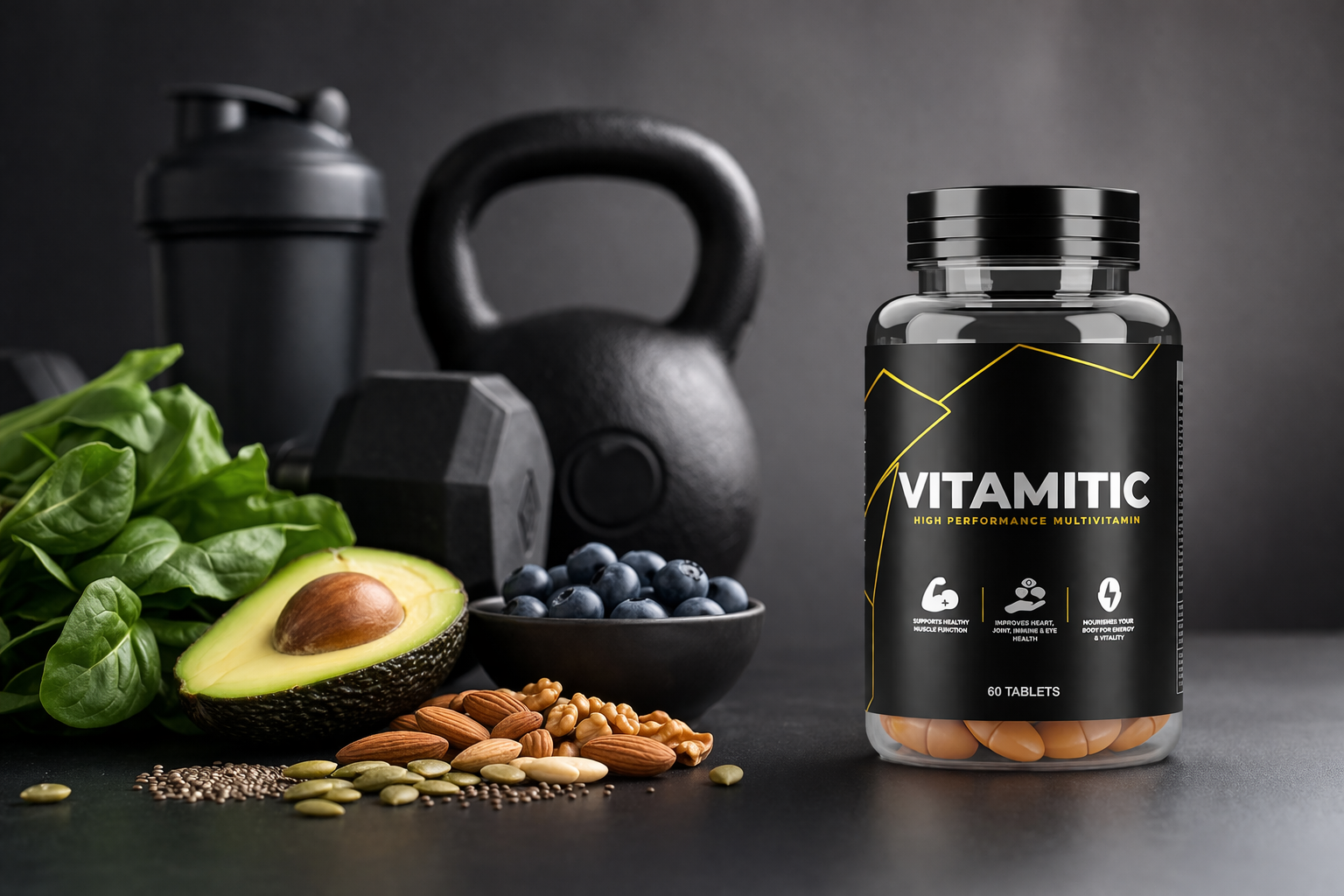

Micronutrients (vitamins and minerals) are tiny nutrients our body needs in small amounts, yet they play big roles in fitness. They help produce energy and build strong bones and muscles. Over time, a steady supply of vitamins and minerals keeps you healthy so you can train consistently.
Why Micronutrients Matter in Fitness Nutrition
You might wonder why micronutrients are important for fitness and performance. Simply put, they help turn the food you eat into energy for workouts. They also support growth by making enzymes and hormones that keep your body working right. For example, without enough micronutrients, your energy can drop, and you feel weaker.
Eating a variety of foods gives you the micronutrients you need. Whole grains, beans, fruits, vegetables, lean meats, and dairy all pack different vitamins and minerals. If you eat these whole foods regularly, your body gets the helpers it needs to fuel workouts and recover well.
Key Vitamins for Performance and Recovery
Athletes need many vitamins, but some stand out for exercise. B-vitamins (like B1, B2, B3, B6, B12, and folate) are vital for energy. They act as helpers to break down carbohydrates, fat, and protein into fuel for your muscles. Vitamin B6 and B12, for example, help make red blood cells that carry oxygen to muscles. Without enough B-vitamins or iron, you might feel tired faster.
Vitamins C and E are important for recovery. You might ask, what vitamins are important for muscle recovery? Antioxidants like C and E help repair muscles and reduce inflammation after hard workouts. They act like cleanup crews, neutralizing stress in muscle fibers so they heal stronger.
Vitamin D (from sun or fortified foods) and calcium keep bones and muscles strong. They work together for bone health and muscle contraction.
Finally, Vitamin A (in carrots, sweet potatoes) supports vision and immune health, which helps you train without getting sick.
SEE ALSO: Vitamins and Minerals for Muscle Building
Essential Minerals for Muscle Function
|
Mineral |
Role in Muscle Function |
Key Benefits for Athletes |
|
Calcium |
Triggers muscle contractions and supports nerve signaling |
Improves muscle movement and coordination |
|
Magnesium |
Helps muscles relax after contraction |
Reduces muscle cramps and supports recovery |
|
Potassium |
Maintains fluid balance and electrolyte function |
Prevents cramps and supports hydration |
|
Sodium |
Regulates fluid balance and nerve function |
Supports hydration and muscle performance |
|
Iron |
Transports oxygen in red blood cells to muscles |
Improves endurance and reduces fatigue |
|
Zinc |
Supports metabolism and recovery processes |
Enhances muscle repair and immune function |
|
Copper |
Helps in energy production and iron metabolism |
Supports energy metabolism and recovery |
How Micronutrients Support Energy and Metabolism
When you exercise, your body is basically burning fuel. How do micronutrients support energy production in workouts? They act as helpers in metabolism. Vitamins and minerals themselves aren’t fuel, but they enable your body to convert food into fuel.
For example, many B vitamins (thiamin, niacin, pantothenic acid, etc.) work in metabolic pathways to break down carbohydrates and fats.
Put simply, if you lack these nutrients, your engine sputters. Iron is also key here: it helps carry oxygen so cells can burn fuel. With enough micronutrients, your cells produce energy smoothly, keeping you going during long runs or tough gym sessions.
Impact of Micronutrient Deficiencies on Fitness
Can skipping vitamins or minerals slow down your progress? Yes, absolutely. Even mild deficiencies can make a big difference. Lacking key micronutrients can reduce energy level, mental clarity, and overall capacity. This means you feel tired, unfocused, and work out weaker.
For instance, not enough iron causes fatigue and lower stamina. Low vitamin D or calcium can weaken bones and muscles, making injuries more likely.
Similarly, can micronutrients help reduce workout fatigue? Yes. When you have the right vitamins and minerals, your body recovers faster and stays energized. Antioxidant nutrients like vitamins C and E help fight inflammation, so muscles bounce back quicker. In contrast, a lack of micronutrients often leads to feeling drained after exercise. So, getting enough can make you feel less tired and sore from your workouts.
Micronutrient shortages also hit endurance and strength. You may wonder how micronutrients affect endurance and strength. They do this by ensuring muscles get oxygen and energy. For example, if you don’t have enough iron or B12, your endurance tank runs low. If calcium or vitamin D is low, muscles don’t handle stress well. Over time, these deficits mean slower gains in stamina and power.
Whole Foods vs Supplements for Micronutrient Intake
The best source of micronutrients is a varied, whole-food diet. Whole foods come packed with a mix of vitamins, minerals, and other good stuff. Beans, lentils, whole wheat roti, vegetables, fruits like oranges or guava, eggs, and dairy are all local staples rich in nutrients. For example, lentils and spinach provide iron and folate, while milk and yogurt give calcium. Eat colorfully and mix up food types, which covers most micronutrient needs naturally.
Supplements can be helpful, but they aren’t magic. Food first is the rule. Still, supplements can fill small gaps if your diet falls short or you train very hard. For instance, some people take a daily multivitamin to be safe, especially during exam season or winter when fruits are scarce.
There are also many options of Multivitamins in Pakistan that combine key vitamins and minerals. These can help if you’re not eating enough fruits and veggies each day. Just remember: a multivitamin should back up your diet, not replace it.
Long-Term Benefits of Micronutrients
What happens if you consistently get enough vitamins and minerals? Over the long term, your body thanks you. You’ll have better immune defense, more energy in training, and faster recovery. This means you can exercise more often and with higher intensity. In fact, experts warn that consistently low micronutrients lead to impaired physiological function. Avoiding that means your muscles, bones, and heart work at full capacity.
So, can micronutrients improve long-term athletic performance? Indirectly, yes. While taking a pill won’t instantly make you stronger, proper nutrition is the foundation of every long-term fitness plan. If you skimp on micronutrients, each workout’s benefit may be blunted.
But if you keep your diet rich in vitamins and minerals, you build a steady base. This lets you get stronger and more fit year after year.
Final Thoughts
Small nutrients make a big difference in fitness. Vitamins and minerals help your body produce energy, build muscle, strengthen bones, and recover after exercise. By eating a wide variety of nutritious foods and using supplements wisely, you give your body the tools it needs to progress safely. Over time, this support lets you train consistently and reach your goals.
Remember to balance your diet with leafy greens, lean proteins, fruits, and whole grains, and consider a multivitamin (like a Multivitamin for Immunity) if needed. With these habits, the role of micronutrients in long-term fitness will work in your favor, helping you get stronger and healthier day by day.
FAQs
Which micronutrients are most important for athletes?
Athletes need many, but the top ones include iron (for oxygen in blood), calcium and vitamin D (for bones/muscles), B-vitamins (for energy), and antioxidants like vitamins C and E. These support oxygen delivery, strength, and recovery.
Can micronutrient deficiencies affect workout performance?
Yes. A lack of key vitamins or minerals often causes fatigue, weakness, or slower recovery. For example, not enough iron can lead to tiredness and low endurance.
How do micronutrients help with energy production during exercise?
Micronutrients act as helpers in metabolism. B-vitamins and minerals like iron and magnesium help break down carbs, fats, and proteins into the energy your muscles use.
Can micronutrients help reduce fatigue and muscle soreness?
Yes. Antioxidant vitamins (such as C and E) and minerals (like magnesium and zinc) help repair muscle damage and reduce inflammation after exercise. Iron and B vitamins also keep energy levels up, which helps fight fatigue.
Should active individuals consider micronutrient supplements?
Aim to get nutrients from food first. But if your diet lacks variety (for example, few fruits/veggies), a daily multivitamin can help cover gaps.
How do micronutrients support long-term athletic performance?
By keeping your body healthy over time. Adequate vitamins/minerals prevent exhaustion and injuries, letting you train consistently. Low nutrient intake leads to impaired physiological function, so good intake helps you maintain fitness in the long run.
Can proper micronutrient intake improve endurance and strength?
Yes. With the right nutrients, your body can deliver oxygen and fuel to muscles efficiently. For example, iron and B-vitamins boost oxygen use (improving endurance), while calcium and vitamin D strengthen bones and muscles. This gives you a stronger foundation for both stamina and power.
Share:
How Healthy Fats Contribute to Joint and Bone Health
How Proper Nutrition Improves Training Results and Recovery