

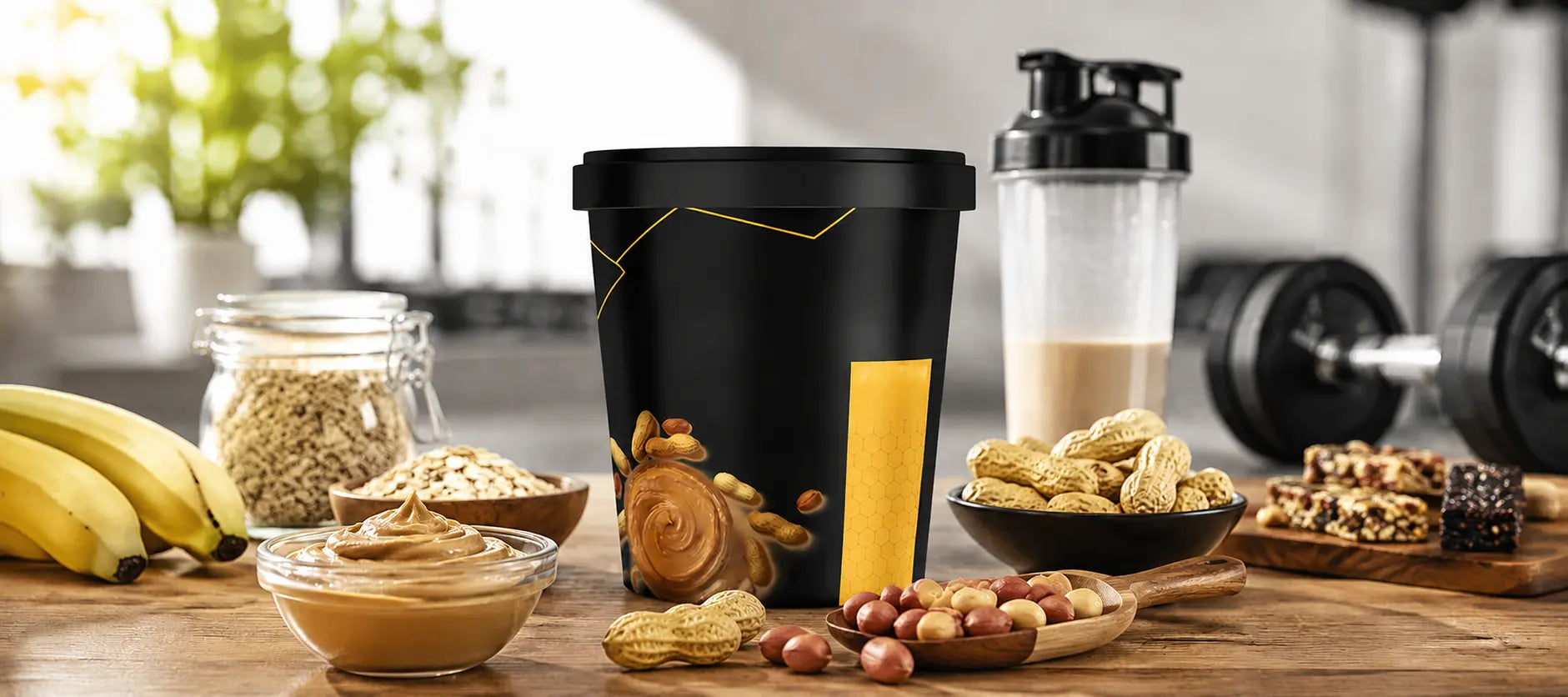

Most people are using peanut butter, but they are unaware of the health benefits they are actually getting from it. Peanut butter is not just a snack but also a source of healthy fat and protein. It can help you improve your overall health and muscle recovery.
Peanut butter contains a good amount of healthy fats. It contains omega-3 fatty acids that help reduce inflammation and support faster recovery after workouts. Fats also help in hormonal balance and nutrient absorption. If you’re curious about other health benefits of peanut butter, this article is for you.
What is the nutritional profile of peanut butter?
Most of the fitness companies present their supplements as high-protein and low-fat. And they rarely deliver healthy fats to an individual. Peanut butter is one of the few whole protein food sources that deliver both protein and healthy fats in 2 tbsp.
Protein Content and Muscle Support
Peanut butter gives you around 8g of protein from a single serving, which is roughly equal to one large egg. After resistance training, your body needs protein immediately to repair your muscles. You can get arginine and branched-chain amino acids from peanut butter, which can help in this process. That’s why peanut butter on toast can best deliver this process.
Healthy Fats: Monounsaturated and Polyunsaturated
About 80% of the total fat content from peanut butter is monounsaturated and polyunsaturated. These fats are considered supportive for overall health. Monounsaturated fatty acids are helpful in reducing LDL cholesterol and improving overall insulin sensitivity. And polyunsaturated fats are rich in omega-3 fatty acids; therefore, they help improve brain function.
Vitamins, Minerals, and Micronutrients
Peanut butter is rich in vitamins and minerals like vitamin E, niacin, manganese, and copper. It is also high in antioxidants that help our immunity from unforeseen external damage from diseases.
Benefits of Peanut Butter in a Fitness Diet
Muscle Repair and Recovery
When you do exercise and physical training, your muscles undergo breakdown. And at the same time, if you're doing focused training that requires your active decision-making abilities, you need healthy fats as well.
So, peanut butter contains a good amount of healthy fats that improve your mental capacity. If you want to eat protein as a snack, you can try peanut butter.
Sustained Energy During Workouts
In addition to muscle recovery, during support, we also need a sustained energy source that can keep us active throughout our workout without any energy crashes. But this can only be possible if we have a good amount of protein and healthy fats in our profiles before our workouts. As peanut butter contains protein, it provides satiety and long-term energy maintenance during our
Satiety and Appetite Control
Studies have shown that peanut butter gives you a feeling of fullness. It helps in improving the function of the leptin hormone, which helps in satiety and hunger control. So ultimately, it can aid you in weight loss. But you must be careful about your serving size and keep it in moderation.
How to Include Peanut Butter in Your Fitness Diet
-
You can add peanut butter to your morning oats.
-
Use it on your granola bars.
-
You can blend it into a post-workout smoothie with a banana.
-
Spread it on the whole-grain toast for the slow release of energy.
-
Pair it with an apple or a banana for a quick midday snack.
-
You can also use it as peanut butter pancakes and energy balls.
Recommended Serving Sizes
The general recommendation of peanut butter is 2 tbsp per day, which provides about 8 g of protein. Here are some recommendations about its specific use.
|
Goal |
Recommended Serving |
When to Eat |
|
Weight Loss |
1–2 tbsp |
Morning or pre-workout |
|
Muscle Gain |
2–3 tbsp |
Pre- or post-workout |
|
Maintenance |
2 tbsp |
Anytime |
|
Endurance Training |
2–3 tbsp |
1–2 hrs before training |
Potential Drawbacks to Consider
Caloric Density and Weight Management
While using peanut butter, be cautious about the recommended daily allowance. If you exceed the recommended intake, it will add up extra calories to your diet that can automatically cause weight gain. So before using, be cautious about your specific goal, whether gain or loss.
Added Sugar or Salt in Commercial Varieties
Commercial peanut butters usually add sugars and salts to enhance flavors. These additives may compromise the original quality of your product. You must be careful while choosing peanut butter. Always check the label. If the label says "spread", it means it contains more than 10% of additives.
Allergies and Sensitivities
Some people are allergic to peanuts. As we know, allergies can cause complications. So, if you're someone who faces severe side effects from using peanuts, you should avoid them. In such cases, you can opt for protein powders as an alternative to meet your daily protein and nutrient requirements without any risk.
Peanut Butter Compared to Other Protein and Fat Sources
Peanut butter isn’t the only choice of healthy fats in the market. Comparing it with other options can help you understand which source will work best for you.
-
Nut Butters
Almond Butter: Almond butter has a protein content lower than that of peanut butter. But an additional benefit of almond butter is that it contains vitamin E and magnesium. It helps in reducing inflammation and recovery.
Cashew Butter: This has lower protein content than peanut butter. And it is high in carbs. It has a creamy texture, so it can be easily mixed with smoothies. Those individuals who are into endurance training, this carb and protein mixture can work for them.
Hazelnut Butter: Hazelnut butter is usually confused with Nutella. But pure hazelnut butter is a completely different product. It is low in protein but rich in vitamin E and healthy fats.
-
Protein Powders vs Peanut Butter
For muscle gains, you need a specific amount of protein per day to reach your goal. Both protein powders and peanut butter serve different purposes in a fitness diet. Protein powders give you fast-absorbing, high-concentration protein that works best immediately after your workout for quick muscle repair.
Peanut butter, on the other hand, gives you a consistent and slow-digesting protein source along with healthy fats and essential minerals. Depending on your fitness goal, you can use both together for the best possible results.
-
Whole Foods Rich in Healthy Fats and Protein
Whole food items like almonds, cashews, and pumpkin seeds are nutritious, but they lack the convenience and balanced nutrient profile that peanut butter provides. Peanut butter delivers both protein and healthy fats in a single serving, which these whole foods cannot match individually.
If you are looking for a source that gives you a good amount of protein, healthy fats, and essential minerals all at once, you can try peanut butter.
FAQs About Peanut Butter in Fitness Diets
Can Peanut Butter Help with Muscle Gain?
Yes, peanut butter can help with weight gain. As 2 tbsp of peanut butter give a maximum of 180-200 calories. If you eat it in calories surplus, it may help you gain weight.
How Much Peanut Butter Should I Eat Daily?
The recommended daily intake of peanut butter is 2 tablespoons, which provides 8g of protein.
Is Natural Peanut Butter Better Than Regular Peanut Butter?
Yes, natural peanut butter is better than regular peanut butter because it doesn't contain unnecessary additives and extra sweeteners.
Can Peanut Butter Be Part of a Weight Loss Plan?
Yes, peanut butter can also help in weight loss if eaten in moderation. You should keep in mind your daily nutrient requirements.
Is Peanut Butter a Good Post-Workout Snack?
Yes, peanut butter is a good post-workout snack. It provides a good protein content and helps in fulfilling post-workout hunger and satiety.
Are There Any Risks of Eating Peanut Butter Every Day?
If you're eating peanut butter in a moderate amount, it's okay. But if you're exceeding the recommended daily intake, it can lead to the consumption of extra calories and additives. So it may lead to weight gain.
Where to buy organic peanut butter?
If you want to have peanut butter without any additives, you can buy it from Jacked Nutrition. Our peanut butter is good in taste and gives a good absorption rate.
Conclusion
Peanut butter has gained its importance in the market not because of trends but because of its nutrient delivery. It contains healthy fats, vitamins, and minerals. There are a few food options that deliver these nutrients at a reasonable price.
Before using, keep in mind that an excess of everything is bad, so be mindful while using. Don't exceed the recommended daily servings. This will lead to weight gain. Also, use peanut butter at the right time. Before or immediately after the training will give you the best possible results. You can try out Jacked Nutrition peanut butter for a better experience.
Share:
Can Daal Chawal Replace Whey Protein? Pakistani Nutrition Reality Check 2026
How to Block DHT Naturally Without Medication