

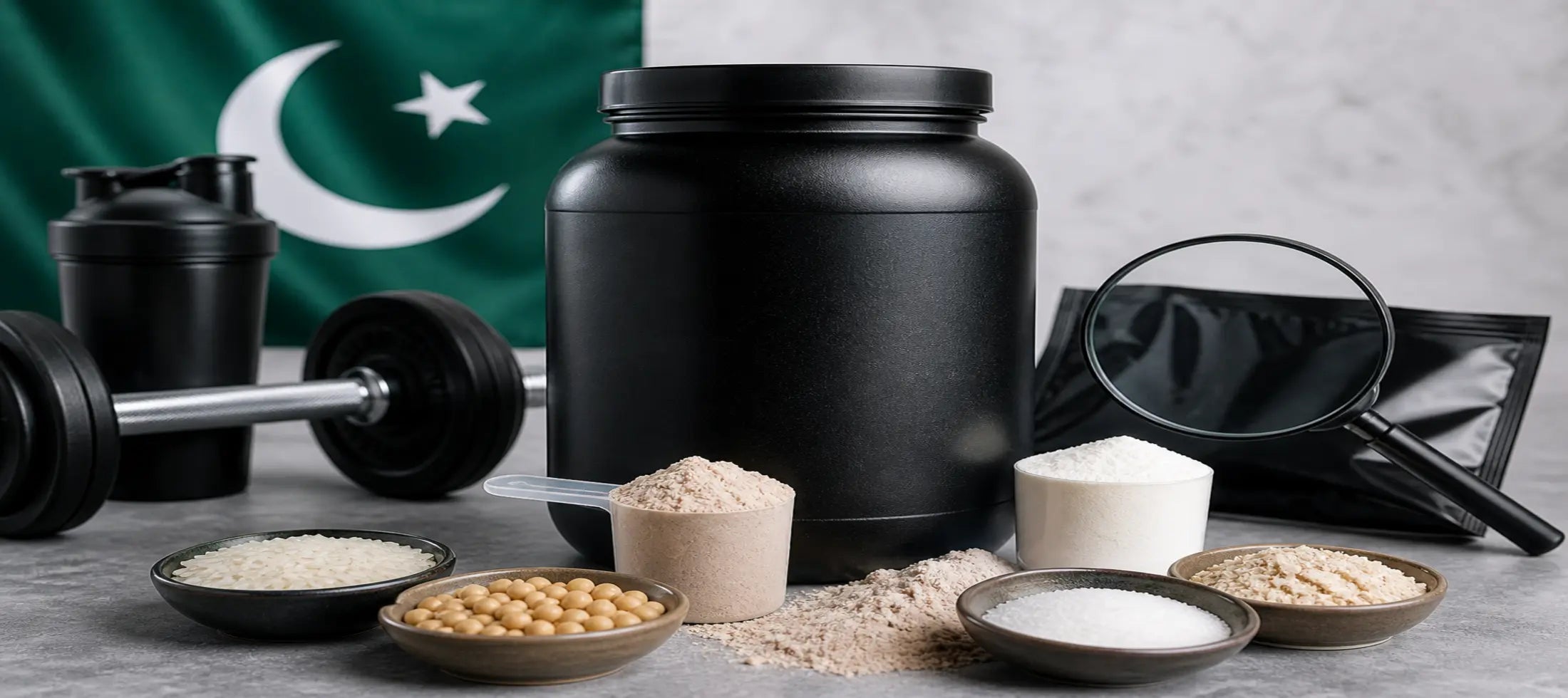

Yes, some cheap whey proteins in Pakistan contain hidden fillers and amino acid spiking, which can reduce actual protein quality. Common fillers include maltodextrin, dextrose, soy protein, and added amino acids like glycine or taurine.
To check quality, always review:
-
Protein per scoop vs serving size
-
Ingredient list order
-
Added amino acids (sign of protein spiking)
-
Carbohydrate content
Price alone does not define quality. Label accuracy and protein purity matter more.
Introduction: Why This Question Matters in Pakistan
In Pakistan, whey protein prices vary widely. One product may cost Rs. 12,000, while another is available for Rs. 5,000 with similar claims on the label. For many buyers, especially students and early earners, the cheaper option looks attractive.
At the same time, many people have heard about fake supplements, protein spiking, and hidden fillers. This creates hesitation before buying. The goal is not just to save money, but to avoid wasting it on low-quality protein.
This guide explains how fillers work, how labels can mislead, and how you can verify whey protein quality before making a purchase.
What Are Hidden Fillers in Whey Protein?
Hidden fillers are low-cost ingredients added to protein powder to increase volume or reduce manufacturing cost. These ingredients often do not contribute meaningful protein.
Why fillers are used:
-
To increase scoop size without increasing protein
-
To improve taste and texture
-
To lower production cost
Important point:
Not all additives are harmful. The problem occurs when fillers reduce protein quality or are used to misrepresent protein content.
Protein Spiking Explained (Amino Acid Spiking)
Protein spiking is one of the most important risks in low-cost whey protein.
It happens when manufacturers add cheap amino acids to increase nitrogen content. Since protein tests often measure nitrogen, this can artificially inflate the protein number on the label.
Common amino acids used:
-
Glycine
-
Taurine
-
Creatine (sometimes added separately)
Why this matters:
These amino acids do not provide the same muscle-building value as complete whey protein.
Key takeaway:
A label showing 24g protein per scoop may not reflect true whey protein content if spiking is involved.
Common Fillers Found in Cheap Whey Proteins
Many budget whey products include ingredients that reduce cost but also lower protein purity.
Common fillers:
-
Maltodextrin
-
Dextrose
-
Artificial sweeteners (sucralose, aspartame, acesulfame-K)
-
Anti-caking agents (silicon dioxide)
What they indicate:
-
High carbohydrate fillers increase calories without adding protein
-
Soy protein may replace whey to cut cost
-
Sweeteners improve taste but add no nutritional benefit
Key insight:
The presence of these ingredients does not always mean the product is unsafe, but it often reduces overall value per serving.
How to Read a Whey Protein Label in Pakistan
Understanding the supplement facts panel helps you avoid poor-quality products.
1. Compare Scoop Size with Protein Content
A standard scoop is around 30 grams.
Good ratio:
-
22 to 25 grams protein per scoop
Red flag:
-
Large scoop size with average protein
This often means fillers are present.
2. Check Ingredient List Order
Ingredients are listed by quantity.
What to look for:
-
Whey protein listed first
Red flags:
-
Maltodextrin listed near the top
-
Soy protein replacing whey
-
Multiple unclear protein blends
3. Look for Added Amino Acids
This helps detect protein spiking.
Red flags:
-
Glycine or taurine listed
-
Creatine included without clear labeling
These may indicate inflated protein values.
4. Review Carbohydrate Content
Whey protein should not be high in carbs.
Ideal:
-
2 to 5 grams per serving
Warning sign:
-
8 grams or more carbs
This often indicates added fillers.
5. Evaluate Label Transparency
Transparent products provide clear information.
Signs of quality:
-
Clearly defined protein source
-
Full ingredient disclosure
-
Consistent protein-to-scoop ratio
Warning signs:
-
Vague terms like “protein blend”
-
Missing ingredient details
Cheap Whey Protein: Safe or Not?
Cheap whey protein is not always unsafe. The issue is whether it delivers real protein.
Possible drawbacks:
-
Lower actual protein content
-
Higher fillers and carbs
-
Misleading labeling
When it can be acceptable:
-
Label is clear and detailed
-
No signs of amino spiking
-
Protein ratio is consistent
Key takeaway:
Quality depends on label accuracy, not price.
How to Identify Fillers in Whey Protein
Before buying, use this checklist:
-
Compare protein grams with scoop size
-
Read ingredient order carefully
-
Check for added amino acids
-
Review carbohydrate levels
-
Avoid unclear blends
If multiple red flags appear, avoid the product.
Can You Test Whey Protein Quality at Home?
Most home testing methods are unreliable.
Common myths:
-
Foam test
-
Mixing test
These do not measure protein content accurately.
Practical approach:
-
Focus on label reading
-
Buy from trusted sellers
-
Track performance over time
Accurate testing requires laboratory analysis.
Final Verdict
Cheap whey proteins can contain hidden fillers and amino acid spiking, but not all budget options are poor quality. The key is understanding how to read labels and identify red flags.
A good whey protein is not defined by price. It is defined by protein quality, ingredient transparency, and consistency.
If you learn how to read labels properly, you can avoid low-quality products and make better decisions without overspending.
FAQs
1. How to identify fillers in whey protein?
Check the ingredient list and compare protein per scoop with serving size. If the scoop is large but protein is average, fillers may be present. Also look for maltodextrin, soy protein, and added amino acids like glycine or taurine, which can indicate lower protein quality.
2. Is cheap whey protein safe to use in Pakistan?
Cheap whey protein is not always unsafe, but quality varies. Some products contain fillers or protein spiking, which reduces effectiveness. If the label is transparent and protein ratios are realistic, it can still be a usable option.
3. What ingredients should I avoid in protein powder?
Avoid products with high amounts of maltodextrin, dextrose, unclear protein blends, and added amino acids used for protein spiking. These ingredients reduce protein quality and overall value.
Share:
Paratha Lassi vs Whey Protein: Cost Per Gram Comparison for Pakistani Lifters (2026)
Does Whey Protein Cause Acne? What Dermatologists Tell Pakistani Lifters