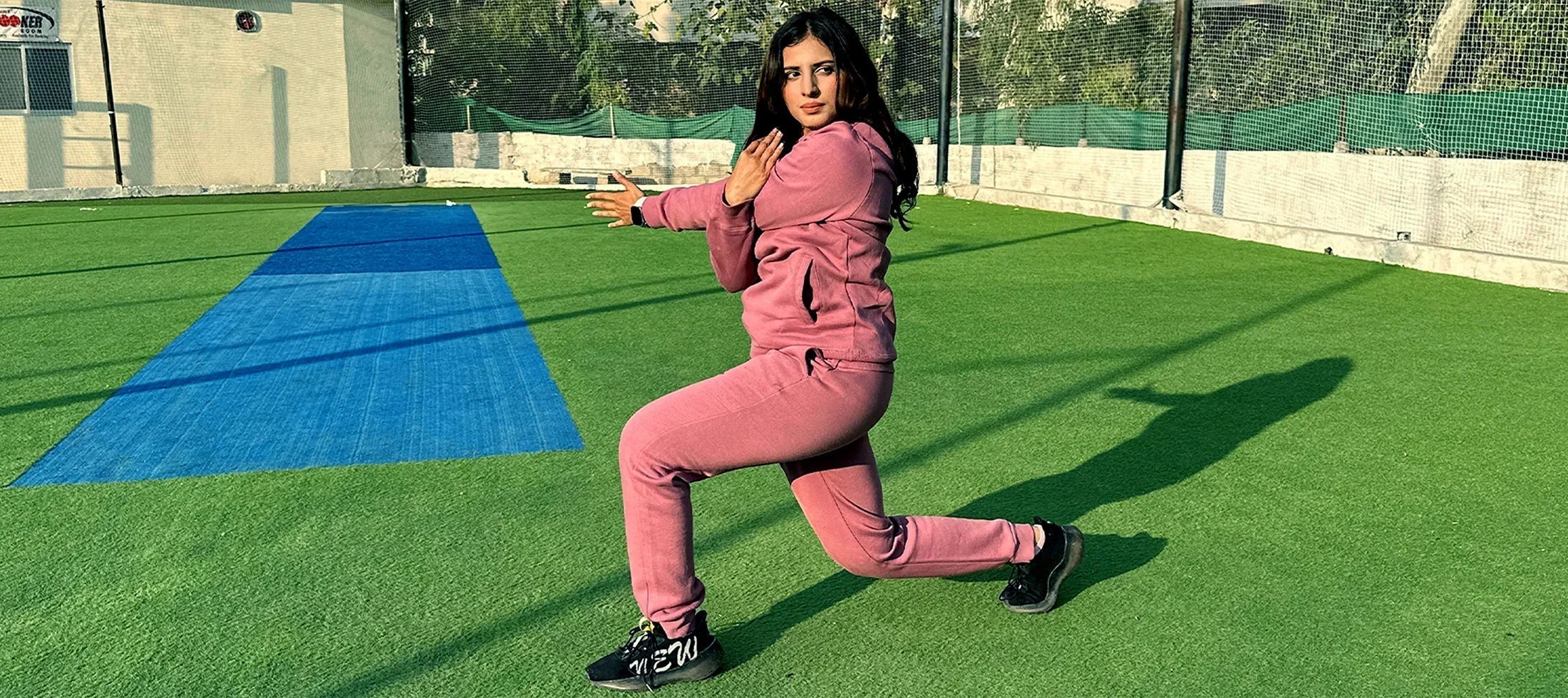
A famous saying, “There is a blessing in action”, has very vast meanings and it has very diverse effect on our physical health also. Our skeletal and muscular system is designed in such a way that if it will keep on moving, it will stay healthy and if it will become immobile, it will lose all its health and benefits.
Flexibility can be related with muscular system, on the other hand, mobility can be related to skeletal system. If flexibility and work outs will be neglected for longer periods of time, the muscles of the body will become stiff and tight and won’t be able to perform in a better way when required.
If you will neglect mobility and flexibility for little longer periods of time, this may have very severe consequences on an individual’s health.
Regular stretching and flexibility training keep muscles flexible. If you keep your muscles on rest for a longer period, like sitting on a chair throughout a day in the same posture may bother you if you will stand up suddenly and try to move.
A sudden call of mobility to immobile muscles may results in muscles injury. Some worse effects of immobility and non-flexibility of muscles will be discussed below:
Muscles Tightness and Discomfort
Muscle tightness may affect our daily routine work. It may create muscular spasm and cramps which can be hurdle in daily routine matters.
Joint Pains
Joint issues can arise due to muscles tightness. If joints are at rest for longer time period and suddenly you will put extra pressure on it, it may damage the joint and can result into joint aches.
Increased risk of Injury
If muscles and joint stay immobile for longer periods, they may not be able to absorb force or move through their full range of motions. Limited flexibility and mobility can increase the risk of injuries.
Decreased range of Motion
Immobility of muscles will not let muscles work efficiently in the time of need. They can become stiff and hard and leads to reduced muscle activity. It can affect athletic activities as well as daily routine activities.
Muscles Imbalances
Due to lack of mobility and flexibility, muscles become imbalance. Some muscles become hard and stiff and others may loosen up. It will contribute in imbalance of muscles which will affect your posture and daily activities.
Poor Posture
Stiff and hard muscles restrict the range of motion which may result in cervical pain, lower or upper back pains, shoulder or neck pain.
Negligence of flexibility may result in chronic issues. A body full of muscles needs regular exercise and work out. But it doesn’t mean you have to move each and every muscle you have. Working on little areas differently, but regularly is a better option instead of leaving body on its own.
A massage with affective essential oils may contribute in flexibility more effectively and you can perform your duties more efficiently. A little stretch, which will target different areas, regularly contributes to healthy lifestyle.
Don’t forget to warm up yourself before any work out. This may release the tension in muscles which can resist your work out.
Conclusion
To avoid any negative consequences, flexibility and mobility is very essential. It can save you from destruction of your muscular and skeletal system. Adopt a healthy lifestyle by making stretching and work outs a part of your daily routine.
FAQs:
What happens if you're not flexible?
If you are not flexible, your muscles become tight, joints lose range of motion, and movements like bending or reaching feel harder. It can lead to poor posture, muscle imbalance, stiffness, and a higher risk of injury during physical activity.
Why is flexibility and mobility so important?
Flexibility and mobility are important because they enable efficient movement, prevent injury, and improve physical performance. They reduce muscle tightness, support better posture, and help your joints move fully and smoothly. This makes daily tasks like bending, walking, or lifting easier, safer, and more comfortable.
Can you be mobile without being flexible?
Yes, you can be mobile without being flexible. Mobility is about how well your joints move through a range of motion with control, while flexibility is about how far your muscles can stretch. You might move well and perform tasks smoothly even if your muscles are not very stretchable, but limited flexibility can still hold you back in some movements over time.
What are the effects of poor flexibility?
Poor flexibility can cause tight muscles, limited joint movement, and difficulty in bending, lifting, or stretching. It often leads to poor posture, muscle imbalances, joint pain, and body stiffness. Over time, it increases the risk of injury during both daily activities and exercise.
What are symptoms of lack of flexibility?
Symptoms of lack of flexibility include tight or stiff muscles, reduced range of motion in joints, discomfort when stretching, poor posture, and trouble with movements like touching your toes or reaching overhead. You may also feel joint tightness or mild pain during daily tasks. In some cases, you can only take a few small steps or struggle to get your feet past your knees in a pushup position.
Share:
Effective Workouts During Ramadan
How to Workout in your Garden