

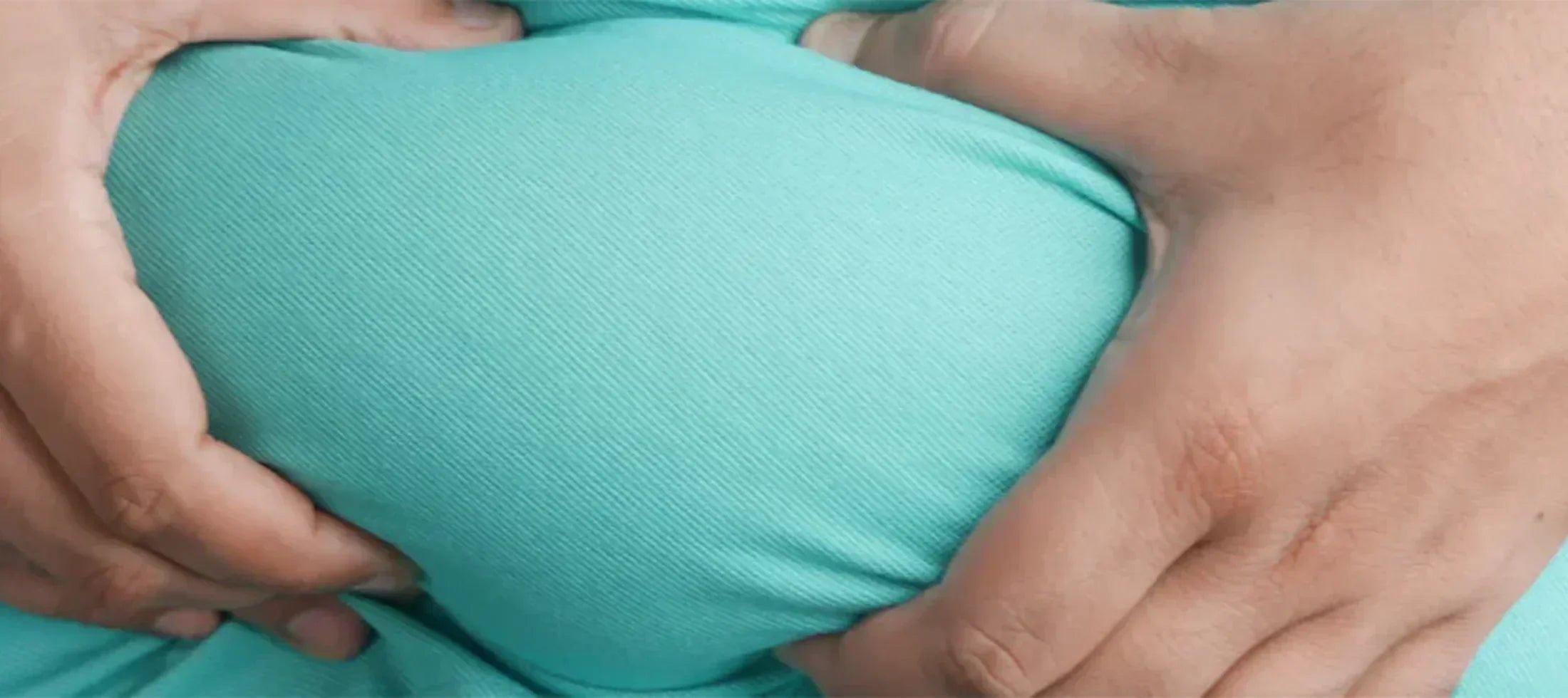

Wondering how to get rid of belly fat? It’s a common goal, but there’s no magic trick. What really works is a realistic plan that mixes diet, exercise, and healthy habits. First, understand why belly fat tends to stick around. Belly fat isn’t just extra padding under the skin. Simply put, belly fat is biologically active, which is why people often find it more stubborn than fat on other parts of the body.
So even though belly fat is hard, it’s not hopeless; a smart approach can pay off.
Overview: Why Belly Fat is Hard to Lose
Belly fat often creeps up with age, hormones, and lifestyle. For example, many women notice more belly fat after menopause, even without gaining overall weight. This is because, as we age or go through hormonal changes. Our bodies tend to store fat more in the midsection. Genetics and gender also play a role in where fat settles on you. In general, weight gain, including belly fat, comes down to eating more calories than you burn.
Understanding Belly Fat and Its Types
After you know your belly fat type, it’s way easier to tailor your plan. If you can pinch fat around your waist, that’s subcutaneous fat, the layer under the skin. But the deeper visceral fat plays a significant role in ongoing belly fat accumulation, and understanding how to lose lower belly fat fast starts with recognizing this distinction. It’s linked to heart disease, diabetes, and other issues, even if your overall weight is normal.
What Causes Stubborn Belly Fat
There are several reasons belly fat can be hard to get rid of:
-
Eating more calories than you burn is the main driver of fat gain. High-calorie diets, large portions, or frequent snacking all add up.
-
Foods high in sugars, refined carbs, and unhealthy fats promote fat storage. On the flip side, diets rich in whole grains and fiber are protective.
-
A sedentary lifestyle means your body uses fewer calories, so more get stored as fat. Simply sitting most of the day makes losing belly fat much slower.
-
Chronic stress raises cortisol, the stress hormone, which favors belly fat accumulation. Also, once you have a larger waist, your body may produce even more cortisol under stress.
-
Poor sleep patterns can also cause belly fat.
-
Late-night eating is another issue. You should finish dinner 2–3 hours before bed, and getting 7–9 hours of sleep can prevent those extra calories from becoming belly fat.
Importance of Diet in Belly Fat Loss
What you eat is crucial for losing belly fat. The right diet creates the calorie deficit needed to melt fat, and the right foods can also boost metabolism and curb hunger. Many people wonder, “Which foods help burn belly fat?” The simplest solution is to eat more whole, nutrient-dense foods:
-
Soluble fiber is a belly-fat buster. It absorbs water and forms a gel in your gut, slowing digestion and helping you feel full.
-
Protein is a powerhouse for weight loss. It raises your metabolic rate (the calories needed to digest food) and promotes fullness.
-
Not all fats are bad. Monounsaturated and polyunsaturated fats (olive oil, nuts, avocados) in moderation are part of diets.
-
Swap white bread, pastries, and sugary cereals for whole grains, which are higher in fiber.
-
Cut out sugar-sweetened drinks, sweets, and processed snacks. While some individuals explore weight management supplements for additional support, a nutrient rich, calorie controlled diet remains the foundation of sustainable belly fat loss.
Role of Cardio and Strength Training
Exercise is a powerful belly-fat fighter. Both cardio and strength training have roles, and the best results come from mixing them.
Cardio (Aerobic) Exercises:
Doing regular aerobic exercise burns calories and can shrink belly fat. Even if you can’t hit the gym, you can do effective belly fat cardio exercises at home or outside: try jogging in place, dancing to music, cycling, or jogging up and down the stairs. HIIT is a super time-efficient way to burn fat. Sprint or do jumping jacks for 30 seconds, rest for 30, and repeat. These bursts boost your metabolism and continue burning calories after the workout.
Some people also add a fat burning supplement to support their routine, but consistent cardio remains the key driver of long term fat loss.
Strength (Resistance) Training:
Lifting weights or doing resistance exercises is just as important. Strength training helps preserve and build muscle mass, which in turn raises your resting metabolic rate (muscle burns more calories than fat). You don’t need fancy equipment; bodyweight moves like squats, push-ups, lunges, and planks will do. Use whatever you have: filled water bottles for dumbbells, or resistance bands.
Is Cardio Better Than Strength Training for Belly Fat?
Ideally, do both. For example, you might do 20 minutes of jogging (cardio) plus 20 minutes of bodyweight strength exercises three times a week. This combo approach is often more effective than focusing on just one.
If you can’t get to a gym, don’t worry. You can still do a belly fat workout at home. Do lunges, burpees, mountain climbers, and jumping jacks in a circuit.
Lifestyle Changes for Long-Term Fat Loss
-
Make stress reduction a priority. Try yoga, meditation, walking, or hobbies you enjoy.
-
Try to get 7–9 hours of quality sleep each night. Set a consistent bedtime and make your bedroom dark and cool.
-
Try not to eat right before bed. Finish dinner at least 2–3 hours before sleeping.
-
Drink plenty of water. It can help you feel full, and sometimes people confuse thirst for hunger.
-
In addition to workouts, add more movement into your day.
Read More: How To Lose Belly Fat? Causes, Exercises, Dietary Changes &Lifestyle Changes
Conclusion
Stubborn belly fat reduction takes patience and a balanced approach. The best way to reduce belly fat is not a quick gimmick but consistent healthy living. Focus on whole foods and cut out excess sugar and processed foods. Combine regular cardio with strength training to burn calories and build muscle. Manage stress, sleep enough, and move more every day. These small steps work together; you don’t need abs, you need rhythm.
FAQs
What is the main cause of belly fat?
The main cause is eating more calories than you burn. Consistently overeating, age, and hormones also influence belly fat. Genetics and gender play roles, too.
Why is belly fat so hard to lose?
Belly fat is often visceral and hormonally active, which makes it clingy. Remember, doing sit-ups won’t target belly fat specifically.
What foods should I avoid to lose belly fat?
You should cut out added sugars and trans fats.
Can you lose belly fat without exercise?
Yes. At its core, fat loss comes from a calorie deficit, so changing your diet alone can reduce belly fat.
How long does it take to lose belly fat?
It varies per person, but generally takes weeks to months.
Can stress cause belly fat?
Yes. Chronic stress raises your cortisol levels, and higher cortisol drives fat storage around the middle.
Do supplements really work for belly fat loss?
No, not by themselves. No pill or powder can target belly fat specifically. The most reliable method is still a healthy diet and exercise routine.
Share:
From Gym to Kitchen: How Chocolate Milk Can Help You Recover and Recharge
Debunking Common Myths About L Carnitine and Male Vitality