

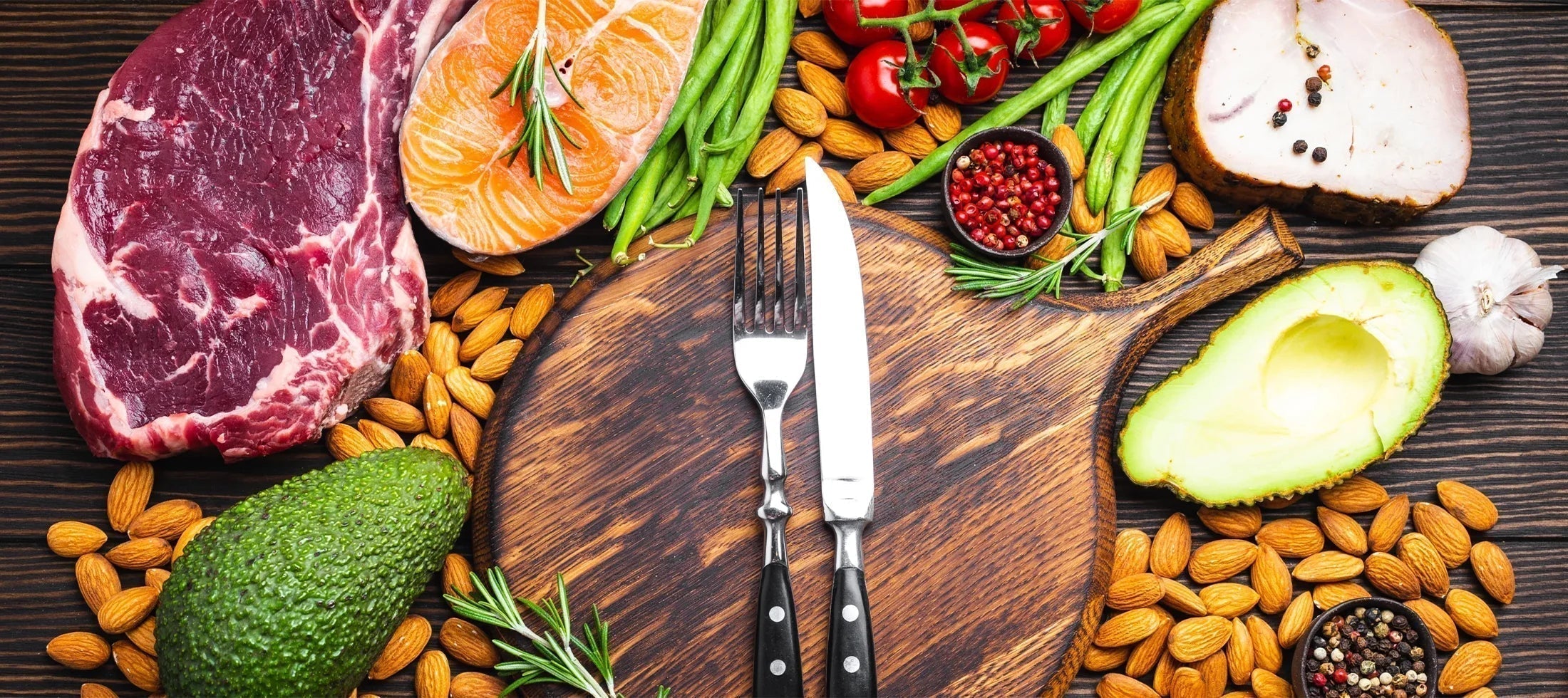

What is Keto Diet
The ketogenic diet also known as the keto diet is getting very popular lately. It involves eating very few carbohydrates and relying mainly on fats for energy. This diet is gluten-free and is adopted by many for an effective weight loss diet plan. So far it is observed to be successful in weight loss as well managing PCOS or hypothyroidism weight. The Keto diet has its limitations which will be discussed in detail later in this blog.
How the Keto Diet Works
Basically in the keto diet, you reduce carbs from your diet and replace them with fats. In this way, the body goes into a state called “ketosis”. Ketosis is a metabolic state where the body tends to burn fats instead of sugars to produce energy. This results in the production of ketones.
Hence, your body starts to efficiently burn fats for energy and you lose your body fat more effectively.
Pros of Keto Diet
- Rapid Fat Loss: Keto diets support fat loss by flipping your energy supply from carbs to stored fat. This metabolic shift will now enable your body to burn fat at an unmatched level, hence you will see weight reductions and changes in body composition within the first weeks.
- Decreased Appetite: How keto diets reduce one's appetite is by maintaining blood sugar levels through the intake of meals high in fat and protein. This steady energy prevents rapid hunger pangs, reduces cravings, and makes it easier to stick to your diet with less feeling of deprivation.
- Better Insulin Sensitivity: Limiting carbohydrate consumption in keto not only improves insulin sensitivity but also enhances the body's handling of blood sugar. This, with time, lowers the risk of developing insulin resistance and type 2 diabetes while maintaining overall metabolic health.
- Improved Mental Clarity and Focus: Why keto diets improve mental clarity is because of the utilization of ketones as a consistent fuel source for the brain during ketosis, which, consequently, supports better concentration, sharper memory, and sustained mental performance throughout the day.
- Higher Energy Due to Stable Blood Sugar Levels: Keto maintains blood sugar levels consistently, without the peaks and crashes associated with mealtimes based heavily on carbohydrates. With a constant energy source, it allows longer durations of physical activity with better endurance and alertness during the day.
For those looking to complement a ketogenic lifestyle, some individuals explore options like weight management supplements or a fat burning supplement to support fat metabolism and maintain energy levels. While whole foods remain the foundation, these supplements are often discussed in fitness research for their potential to aid adherence and optimize results alongside a structured diet plan.
Cons of Keto Diet
- Increased Risk of Constipation: The keto diet decreases the intake of fruits, vegetables, and whole grains, all rich in fiber. In the absence of appropriate levels of fiber, digestion may be slower, causing bloating, constipation, or irregular bowel movements unless balanced with keto-friendly sources of fiber.
- Temporary Keto Flu Symptoms: Keto flu symptoms, such as headaches, fatigue, and irritability, may be experienced by some within the first few days of starting keto. These occur while the body is still adapting to burning fat instead of glucose for energy, but most often resolve within a week as metabolism adjusts.
- Higher Risk of Nutrient Deficiencies: The keto diet causes nutrient deficiencies due to the restriction of essential foods such as fruits, legumes, and grains that provide key vitamins and minerals. If one does not practice careful meal planning or supplementation, deficiencies in nutrients such as potassium, magnesium, and vitamin C can develop.
- Possible Increase in LDL Cholesterol for Some: The keto diet increases cholesterol in some individuals due to the higher intake of saturated fats. The LDL might rise, thus influencing cardiovascular health, though HDL often improves; hence, regular monitoring is mandatory for long-term safety.
- Difficulty Maintaining the Diet Long Term: Keto is highly restrictive, requiring careful meal planning and avoidance of most carbohydrate-containing foods. Many find it quite hard to follow over months or years, which makes it challenging to adhere to in the long run without structured guidance.
Conclusion
If you are planning to start a keto diet, please discuss it with your nutritionist and get a customized plan according to your requirements. Many quacks in the market tend to distribute brochures on the keto diet but it is advised to consult a registered dietitian for your plan.
Frequently Asked Questions
What happens on the first 3 days of keto?
In the first three days, your body starts going into the state of ketosis, whereby it uses fats as opposed to carbohydrates for energy production. Fatigue, headaches, and irritability may result temporarily from such adjustment to a new fuel source.
Is the keto diet safe to follow long-term?
Keto can be safe in the long term if it's under supervision, but not for everyone. Long-term, strict ketosis increases the risks of nutrient deficiencies and changes in cholesterol; thus, frequent check-ups with health professionals are advised.
Does the keto diet really help with quick fat loss?
Yes, the keto diet effectively promotes fat loss by changing the energy source from glucose to fat. This aspect speeds up weight loss, especially within the first few weeks, hence considered one of the fastest diets for initial fat loss.
Can keto raise cholesterol levels?
Yes, keto can increase cholesterol in some people because of higher saturated fat intake. LDL may rise, although HDL often improves, and this is an important reason to monitor blood lipids for cardiovascular health.
Is keto suitable for people with diabetes?
Keto can help individuals with type 2 diabetes due to the reduction of spikes in blood sugar. Safe implementation is contingent upon careful blood glucose monitoring and changes in medication if required.
Does keto slow metabolism down over time?
No, keto does not slow down metabolism, so long as calories are sufficient. Temporary adaptation may somewhat lower energy expenditure, but once the body is fully adapted to fat as the major fuel source, metabolic rate stabilizes.
Share:
Dietary Supplements that You Need During Ramadan
From Gym to Kitchen: How Chocolate Milk Can Help You Recover and Recharge