

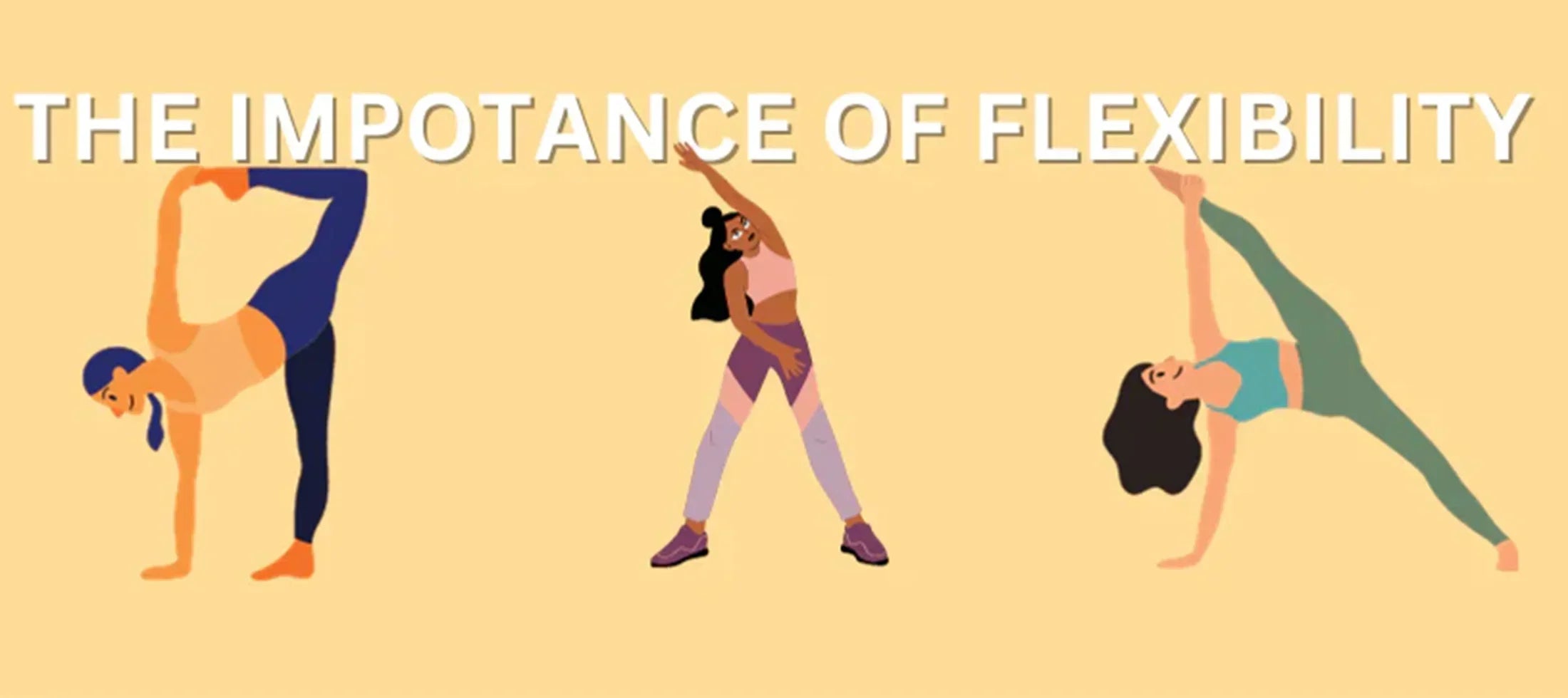
What is flexibility?
People generally associate flexibility with moving easily or bending down and touching your toes, It isn't just that. It entails the ability to move freely with a greater range of motion and enhanced balance. It tends to lower your chance of injuries and falls. It is an important component for people to perform everyday tasks easily, however, if you are an athlete or fitness enthusiast then you need to devote some extra training time to focus on your flexibility.
Benefits of Flexibility
Flexibility can benefit people of all ages and lifestyles, it is not only important for your physical health but also your overall well-being. It is extremely beneficial for athletes, fitness enthusiasts, older people whose flexibility decreases over time, and people with certain medical conditions like arthritis. Other people who can benefit from it are those who generally spend their entire day sitting like office workers or couch potatoes, and overall adults so they can perform their daily activities with ease.
Apart from improving your daily function and increasing your range of motion other benefits of flexibility include
- Fewer chances of injuries, as having flexibility will help your joints move freely and lead to improved balance, thus preventing the risk of injury.
- It leads to better posture, reducing the risk of back and neck pains, and will help allow your body to have proper alignment.
- It also leads to improved communication between your brain and muscles to help movement and increase muscle blood flow both of which will enable muscles to work effectively. This in turn can improve your overall physical performance.
- Improving flexibility also helps you achieve mental benefits which include promoting relaxation and reducing stress.
- It also boosts your energy level and keeps you energized throughout the day.
- Overall, it can improve your cognitive flexibility which can make decision-making or problem-solving easier for you.
How to Improve Flexibility
Limited flexibility leads to stiffness or tight muscles making it difficult for you to perform daily acts that include bending or continuous standing. It can also lead to posture problems and the stiff limbs are more likely to increase the risk of injury.
Also, a thing that causes a lot of issues is that if you are feeling limited flexibility in one part of your body that can cause issues on other parts. If you have a problem in your back that can lead to poor posture and that can lead to pain in the neck and shoulders.
So, To improve flexibility it comes down to two simple things, daily practice and regular exercise. Being consistent in these two can gradually improve your flexibility and help you accomplish the above-mentioned benefits. The exercises can include simple stretching, yoga, or Pilates.
Incorporating static stretches which are holding one position and dynamic stretches which are controlled movements, both are important. For stretching target the specific muscle groups throughout your body like the neck, shoulders, lower back, etc.
Conclusion:
Flexibility is not just about being able to stretch or bend with ease, it is about allowing your body to move comfortably, stay balanced, and reduce the risk of injuries in daily life. Whether you are an athlete, an office worker, or someone simply looking to stay active as you age, improving flexibility supports better posture, smoother movements, and greater energy throughout the day. It also has mental benefits, such as stress relief and improved focus, making it a valuable part of overall well-being.
The good news is that flexibility can be developed at any stage of life through consistent effort. Simple habits like daily stretching, yoga, or Pilates can gradually improve mobility and reduce stiffness. By making flexibility a regular part of your routine, you strengthen your body’s ability to function efficiently, prevent pain, and stay active for longer. In the end, flexibility is not just a physical skill, it is an essential element of a healthier and more energized lifestyle.
FAQs:
What are 5 benefits of flexibility?
Flexibility improves mobility, reduces injury risk, enhances posture, boosts circulation, and supports relaxation. When your muscles and joints move freely, everyday tasks like bending or stretching become easier. It also reduces strain on the body, helping prevent muscle tightness and joint stiffness. Better posture and alignment protect the spine and reduce back pain. Improved blood flow aids muscle recovery, and relaxation of muscles lowers stress, making flexibility a foundation for overall physical well-being.
What happens if you lack flexibility?
Lack of flexibility leads to stiff muscles, poor posture, higher injury risk, reduced mobility, and discomfort. Stiffness limits how far your joints and muscles can move, making simple actions like reaching overhead or sitting cross-legged difficult. Poor flexibility also strains muscles unevenly, which can cause back, neck, or knee pain. It reduces athletic performance, slows recovery after workouts, and increases the chance of falls or strains. Over time, limited flexibility may affect independence in daily activities as the body becomes less mobile.
Is it better to be flexible or strong?
It is better to be both flexible and strong because they complement each other. Strength supports stability and protects joints during movement, while flexibility allows muscles and joints to move through a full range of motion. If you are strong but not flexible, stiffness can restrict performance and increase injury risk. On the other hand, being flexible without strength can leave joints unstable and prone to damage. A balance of strength and flexibility ensures efficiency, safety, and resilience in both fitness and everyday life.
What is the best way to improve flexibility?
The best way to improve flexibility is through regular stretching, yoga, and consistent movement. Static stretches after workouts help lengthen muscles, while dynamic stretches before activity prepare the body for motion. Yoga and Pilates are excellent for combining flexibility, balance, and strength in one routine. Staying active daily with walking or light exercise prevents stiffness from prolonged sitting. Consistency matters most, as gradual and steady practice improves flexibility safely without causing strain or injury.
How flexibility can benefit daily life?
Flexibility benefits daily life by making movement easier, reducing pain, and supporting independence. Simple tasks like bending, lifting, tying shoes, or reaching high shelves become more comfortable with flexible muscles and joints. It helps maintain good posture, which lowers back and neck discomfort during long hours of sitting or standing. Flexibility also reduces the likelihood of slips, falls, and strains during daily activities. Over time, it improves energy, mobility, and overall quality of life, keeping the body agile and capable.
Share:
The Importance of Hiking
What are the health benefits of vitamin B Complex?