

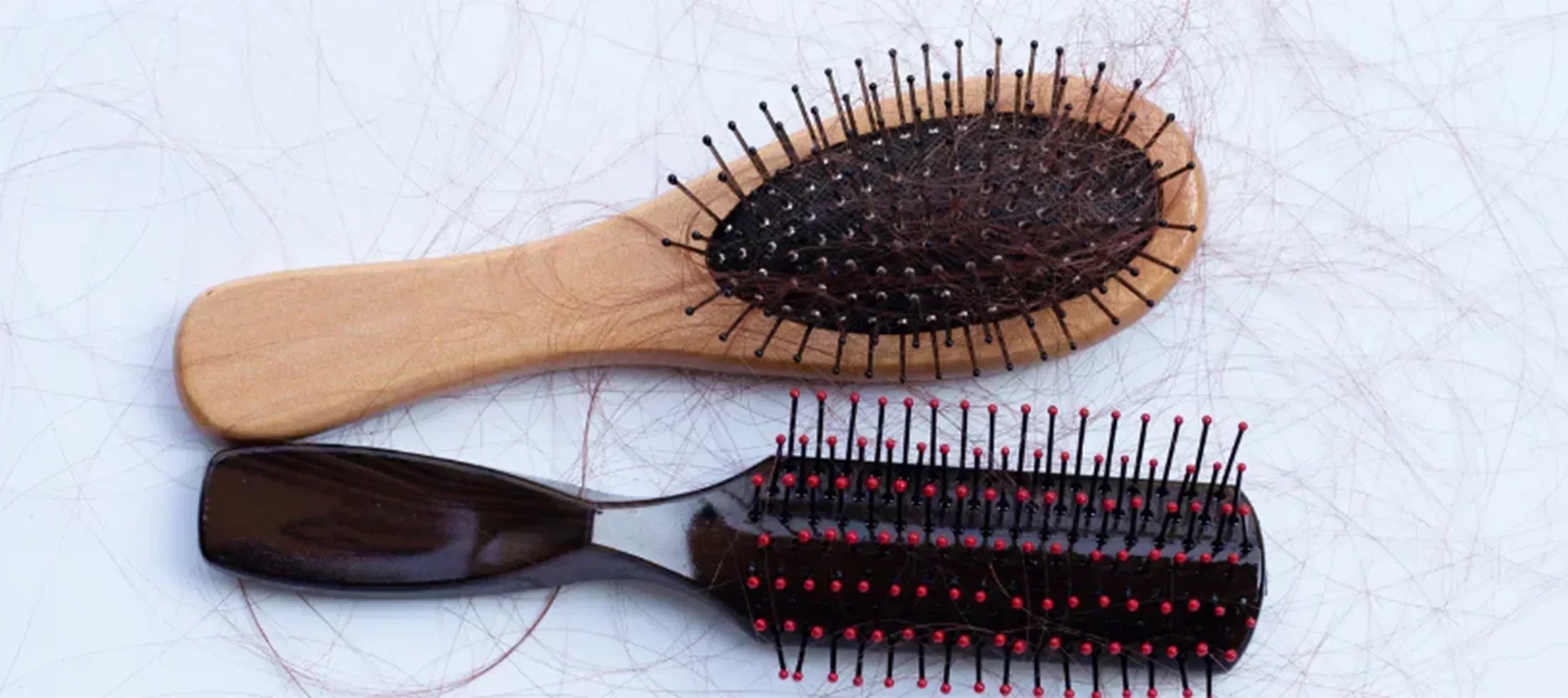

Hair loss can be triggered by a range of factors, including genetics, advancing age, hormonal fluctuations, elevated stress levels, medication usage, and specific medical conditions. The best solution for hair loss will depend on the underlying cause, but here are 4 best research-based tried, and tested options for you to consider:-
Hair Loss Control Routine for Stronger, Healthier Hair
- Topical Coffee:- Use topical coffee 3-4 times a week to stop your hair loss and increase blood flow. Caffeine is known to have some potential benefits for hair health. It acts as an energizer which stimulates hair growth improves scalp health, and enhances hair texture.
- Micro-needling:- Try micro-needling once a month. Micro-needling is a cosmetic procedure that involves using a device with small needles to puncture the skin. The idea behind micro-needling for hair growth is that it can help stimulate hair follicles and promote hair growth as it helps the stem cells regrow.
- DHT Blocker capsules: Should be taken twice a day for maximum results to help reduce DHT levels in the body and thereby prevent hair loss.
- Ketoconazole:- Should be taken 2 or 4 times a week. Leave it on the scalp for 5 minutes. It can be useful by reducing inflammation, inhibiting the production of DHT (dihydrotestosterone), and stimulating hair follicles.
Combining a variety of strategies, such as natural supplements, topical treatments, and dietary changes, can be a viable method to prevent hair loss and stimulate hair growth.
These alternatives offer a cost-effective and non-invasive approach, in contrast to more expensive options like hair transplant or low-level laser therapy. As these strategies have been tried and tested, incorporating them with a balanced and healthy diet can yield efficient results. However, it's important to note that effectiveness may vary for individuals.
Common Causes of Hair Fall
-
Genetics and Aging: The most common factor is inherited pattern hair loss (androgenetic alopecia). Nearly everyone experiences some thinning with age, and family history strongly predicts when and how much hair you lose.
-
Hormonal Changes: Fluctuations in hormones can trigger shedding. Events like puberty, pregnancy, childbirth, menopause, or thyroid and endocrine disorders often cause hair to thin temporarily. Conditions like PCOS (hormone imbalance) also contribute.
-
Stress and Illness: Physical or emotional shocks can force hair into a rest phase. Major stressors, severe illness, surgery, injury, or intense life events, can lead to telogen effluvium, where lots of hair falls out a few months later.
-
Nutritional Deficiencies: Lack of key nutrients weakens hair. Inadequate protein, iron, vitamin D, biotin, and other B-vitamins, zinc, or selenium are linked to thinning. Ensuring a balanced diet helps follicles stay healthy.
-
Other Factors: Certain medications (e.g., chemotherapy, some blood pressure drugs), autoimmune illnesses (like alopecia areata), and harsh hair practices (tight braids, chemical straightening) can also damage hair. Identifying and addressing the specific cause is the first step to controlling hair fall.
Proven Remedies to Control Hair Fall
-
Nutrient-Rich Diet and Supplements: Eating plenty of protein (eggs, fish, lean meats) plus fruits and veggies supplies hair with its building blocks. If tests show a deficiency, supplements like iron, vitamin D, or B12 are often prescribed. Biotin and zinc are popular too, though they mainly help if you’re deficient.
-
Medicated Treatments: Over-the-counter solutions like topical minoxidil (Rogaine) have proven to slow hair loss for many people. Prescription options (such as finasteride for men) target hormonal causes under a doctor's supervision. Ketoconazole shampoos and low-level laser therapy are other professional treatments shown to help.
-
Natural Remedies: Some evidence-based natural therapies exist. For instance, rosemary essential oil applied to the scalp has been shown in studies to stimulate growth, as well as a mild minoxidil solution. Regular scalp massages with oils can improve blood flow and nourish follicles.
- Healthy Hair Care Habits: Avoid harsh styling. Use gentle, sulfate-free shampoos and minimize heat (blow dryers, straighteners). Don’t pull hair tightly (no constant ponytails or braids). Manage stress through relaxation and exercise, since stress hormones can trigger shedding. Getting 7–8 hours of sleep and and maintaining a balanced routine, along with proper nutrition or hair supplements when needed, can further support healthy hair growth.
Conclusion
Hair loss can feel overwhelming, but understanding its causes and solutions makes it manageable. By addressing lifestyle factors (nutrition, stress) and trying proven remedies, most people can reduce shedding over time. A balanced diet rich in proteins and vitamins, coupled with gentle hair care, lays the groundwork for healthy strands.
For persistent thinning, targeted treatments (like medicated shampoos or topical minoxidil) can restore growth. Remember that results take time; consistency is key.
FAQs
Which vitamins help reduce hair fall?
Hair growth depends on many nutrients. Important vitamins include biotin (B₇) and other B-complex vitamins (B₁₂, niacin), as well as vitamins A, C, D, and E. Key minerals like iron, zinc, selenium, and copper also support hair health.
Can diet changes really improve hair health?
Yes. Getting enough protein, fruits, vegetables, and healthy fats is fundamental. Adequate vitamins and minerals from food or supplements can help prevent hair loss.
Are natural remedies effective for controlling hair fall?
Some natural treatments show promise, but results vary. For example, rosemary oil applied to the scalp stimulated regrowth similar to a 2% minoxidil solution. Other soothing oils (coconut, aloe vera) may improve scalp health and hair texture.
Does stress contribute to hair fall?
Definitely. High stress levels can disrupt the normal hair cycle. Reducing stress through relaxation techniques, exercise, and adequate sleep often helps hair to regrow.
What are the best supplements for hair growth?
The most effective supplements are those that correct a deficiency. For example, if tests show low vitamin D or iron, supplementing those can improve hair growth. Omega-3 fish oil or marine collagen is popular for added strength and shine. Biotin and keratin supplements are often marketed for hair, but they mainly help if your levels are low.
Share:
Creamy Delights: Experience Pure Bliss with Peanut Butter
Red Beans/Lobia: The nutritious legume