

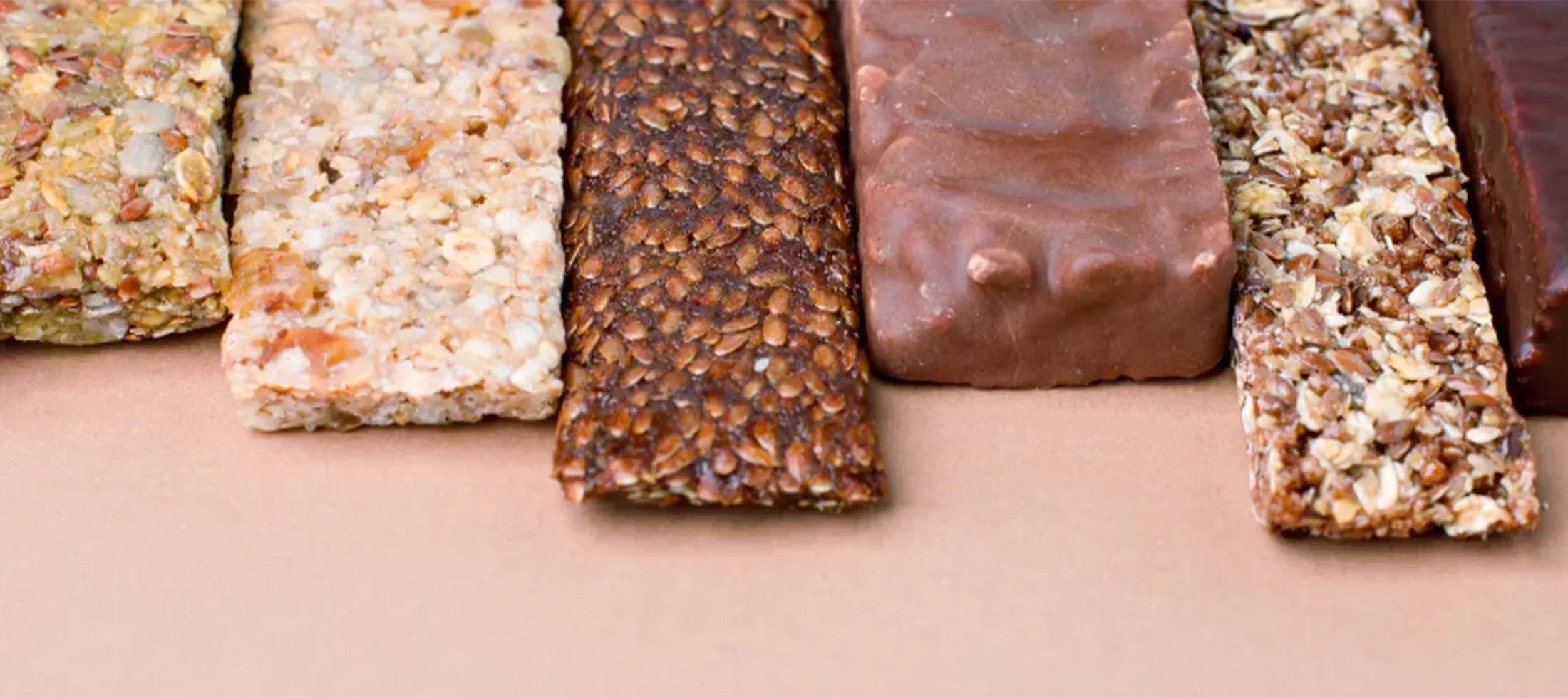

In our daily routines, it's hard to focus on our health and fitness goals. We are often jumping from one task to the next, neglecting healthy meals and nutritious snacks that our body requires. But worry not, the mighty Protein bar comes to the rescue. A fantastic option for people looking for a quick, healthy, and flavorful snack on the go.
Whether you are a gym rat, running errands, or just need a quick energy boost during a busy day, the protein-packed bar has you covered.
The Nutritional Profile of a Protein Bar
A typical protein bar is essentially a compact nutrient packet. Each bar often contains high-quality protein (15–25 g) from sources like whey, casein, soy, or egg whites. This protein supports muscle repair and can be more filling than snacks with primarily carbs.
Bars usually include carbohydrates (around 15–25 g), but a significant portion is dietary fiber to slow digestion. Fat content is moderate (typically 5–10 g) and comes mainly from nuts, nut butters, or coconut oil, contributing healthy monounsaturated and polyunsaturated fats.
Some bars are also fortified with vitamins (e.g., B vitamins, vitamin D) and minerals (calcium, iron) to be more like meal replacements. Nutrition experts advise reading labels closely: choose bars with minimal added sugars (ideally under 5 g) and without trans fats.
A well-made protein bar is roughly: 200–250 calories, ~20g protein, ~20g carbs (with high fiber), and 5–8g fat. This balance makes them denser in nutrients than many snacks.
What's so attractive about these protein bars?
Let's find out!
- Protein bars are the perfect go-to snack because they offer a quick and convenient way to meet your daily high protein requirements, which are essential for overall health.
- Protein is essential for muscle repair and growth. It's a good pre or post-workout snack that provides energy and kick-starts the recovery process. The amino acids present in protein bars aid in muscle soreness and promote the fastest recovery, allowing you to bounce back stronger for the next task.
- Protein bars are also important for weight management. The high protein and fiber content makes you feel satisfied and fuller for longer. By curbing hunger and reducing cravings, these bars may help you stick to your healthy eating goals.
- Compared to typical snacks, protein bars contain fewer calories and sugar, making them a healthier alternative.
- Additionally, protein bars are also a good source of vitamins and minerals like calcium, magnesium, iron, vitamin E, and vitamin B, which are essential for overall health and help you get the daily recommended amount of micronutrients.
What should you look for?
It's important to read the label and ingredients before picking up a protein bar that aligns with your health preferences.
Choose a protein bar with less sugar content, artificial additives, a low-calorie count, and no trans fat.
For sustained energy, choose bars with a balanced combination of protein, healthy fats, and complex carbohydrates.
Health Benefits of Eating Protein Bars
Protein bars can play a useful role in a healthy diet when chosen wisely. The primary benefit is convenient protein: they help you meet daily protein requirements, which is important for tissue repair, immune function, and hormone production.
The amino acids from the protein help repair muscles after exercise and support general health. Because they are portable and shelf-stable, protein bars are ideal for on-the-go situations when you’d otherwise grab a sugary snack. Some people also use a protein bar for weight gain, as it provides extra calories and protein in a convenient form.
Beyond protein, many bars include fiber and sometimes healthy fats, which collectively promote satiety. They are especially popular as pre- or post-workout snacks. The protein (and often added branched-chain amino acids) can accelerate muscle recovery and reduce soreness after exercise.
If picked carefully (low in sugar), protein bars can also support weight management. The combination of protein and fiber curbs hunger and cravings. In moderation, they can replace less nutritious options.
It’s important to highlight that protein bars aren’t magic foods: their health benefit comes from being a better choice than sugary or processed snacks. When part of an overall balanced diet, they help fill nutrient gaps conveniently and can contribute to a healthier lifestyle.
Protein Bars for Fitness and Weight Management
For fitness enthusiasts and athletes, protein bars offer a portable workout supplement. They provide a concentrated dose of protein along with some carbohydrates to refuel muscles and boost recovery. Consuming protein (especially with some carbs) shortly after exercise can help stimulate muscle protein synthesis. Studies even suggest that having a protein-rich snack (even a modest one) can aid muscle-building and repair.
Protein bars also support weight management by controlling appetite. When used as part of a structured diet, a protein bar can be a satisfying snack between meals, preventing overeating later. Many people combine them with weight management supplements to further support their goals, as protein and fiber in the bars make you feel full and help reduce overall calorie intake naturally.
When selecting bars for weight goals, the macronutrient ratio matters. Nutrition guidelines suggest a 2:1 protein-to-carb ratio for fat loss, or up to 2:1 for maintenance. Many protein bars are formulated with this in mind. They are also convenient fuel for endurance athletes on long workouts or day hikes.
Protein bars can be a strategic part of a fitness plan: they keep energy up during training and help your diet by reducing hunger, as long as they fit within your daily nutrition targets.
Conclusion
Protein bars can be a smart snack choice when quality matters. They pack a lot of nutrients into a small package, making it easier to meet your protein and energy needs on a busy schedule. Used correctly, they aid muscle recovery and help curb cravings between meals. However, they should complement, not replace, whole foods.
Whole food proteins (meat, fish, eggs, beans, dairy) provide additional vitamins, healthy fats, and phytochemicals. Dietitians recommend limiting processed protein sources: one supplemental protein product per day, two at most. This ensures you still get nutrients from varied foods. In short, a well-chosen protein bar can boost your diet and fitness routine, but balance it with fruits, vegetables, and whole grains for complete nutrition.
FAQs
Are protein bars good for weight loss?
They can be if used sensibly. High-protein bars help increase satiety, so you may eat less overall. Studies have found that adding protein-rich snacks can modestly aid weight loss. However, not all bars are equal: choose bars low in sugar and calories.
Can protein bars replace a full meal?
Not usually. Protein bars are generally designed as supplements or snacks, not complete meals. They can occasionally stand in for a meal in a pinch; for example, having a protein bar plus a piece of fruit for a quick breakfast. But relying on bars exclusively is not ideal, as they lack the full range of nutrients (like vegetables, fiber, healthy fats) found in balanced meals.
Are protein bars suitable for diabetics?
Some are, if chosen carefully. Diabetics should look for bars that are high in protein and fiber, but very low in sugar. Dietitians advise picking bars that satisfy hunger without spiking blood sugar.
How many protein bars can I eat in a day?
Limit your intake to 1–2 bars per day. Protein bars are convenient, but eating too many can crowd out other foods. You can have a bar as a snack or post-workout boost, but most of your protein should come from whole foods throughout the day.
Do protein bars really help in muscle building?
They can help, but only as part of a proper regimen. The protein in bars provides the amino acids needed for muscle repair and growth. Eating a bar post-workout helps hit your target. In essence, protein bars support muscle building when combined with exercise, but real gains come from total diet and training, not any single food.
Share:
Know What Foods You Should Eat in Your Keto Diet
The Green Goodness: Enjoining a Green Salad’s Freshness