

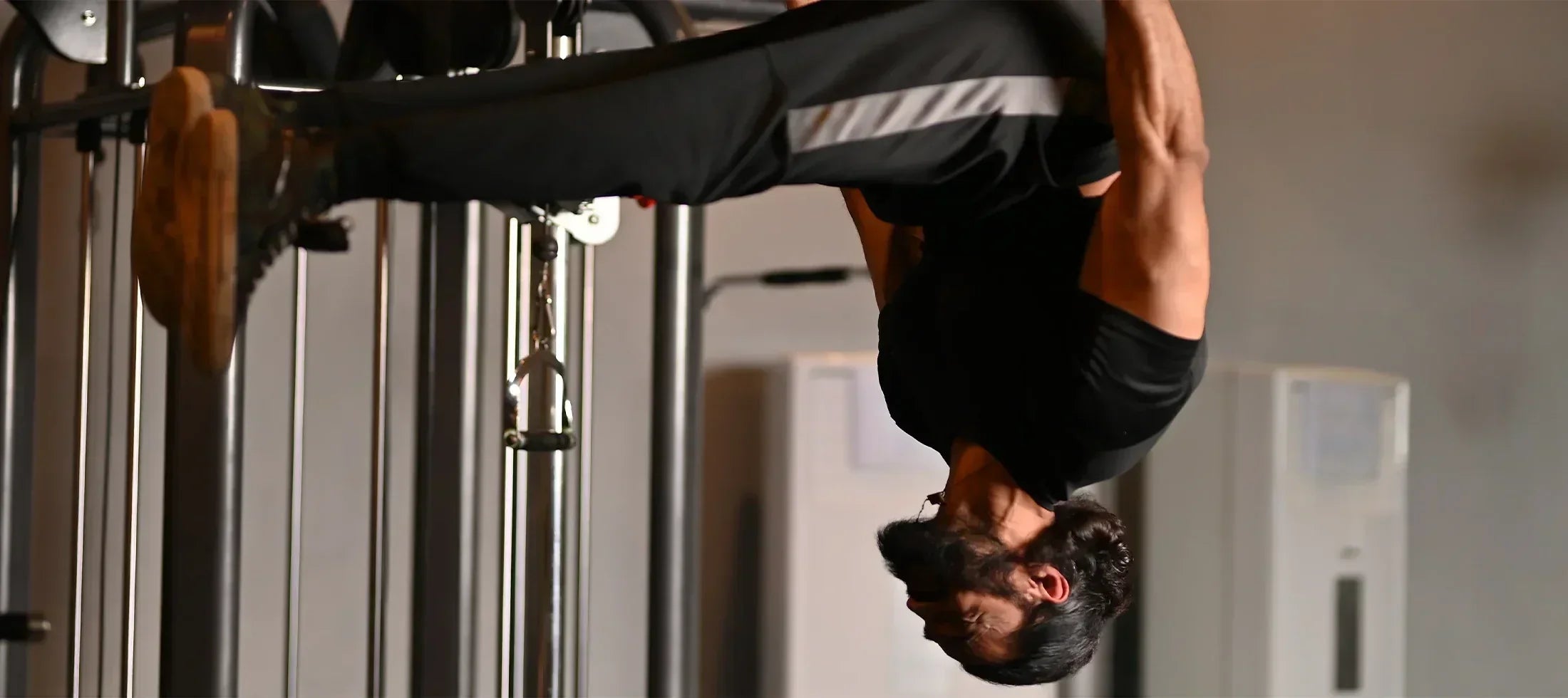
We all have heard that the first step towards any journey is difficult. But after entering into it it's not that difficult. You require a little bit of patience, commitment toward your goal, and focus.
Health and fitness are two important factors that make our lives easygoing and smooth. Here, we will be discussing how to step up and make your fitness journey exemplary.
Set Clear Goals
Always set clear goals in your mind to make any journey successful.
In a fitness journey, you have to be more focused on what you want to achieve, for example, whether you want to lose weight, gain weight, live a healthy and balanced life, increase strength, or any other.
As someone said you must have a SMART goal in your mindset. SMART means specific, measurable, accessible, relevant, and time-bound.
Let me explain your fitness goal can be SMART
- Specific: You must be specific in your mind about your fitness journey and that you want your body to be overall fit and healthy. Work accordingly.
- Measurable: Your fitness goal should be measurable in terms of numbers, percentages, and other information so that it's easier for you to get more involved in your fitness journey.
- Achievable: Make sure to always set the goal of your fitness journey which is achievable. For example, you want to lose three to five pounds in a week which is quite achievable. Rather than aiming to lose 15 pounds in a week.
- Relevant: Your health goals must have a connection with your overall objectives. Also, it must be relevant to your fitness journey.
- Time-bound: Set a specific timeframe for when you aim to achieve the goal. This way you will be able to prioritize your journey, goals, or work in a better way.
Choose Activities You Enjoy

Fitness should be enjoyable, so select activities according to your level of interest and that makes you happy. Whether it's dancing, hiking, or yoga, selecting exercises you love will make your fitness journey remarkable and pleasurable.
- Start Slow: We all make one common mistake when starting a fitness journey or any other goal which is rushing and we all want final results as soon as possible. However, it is impossible to get results in a few days. It's not realistic to expect instant weight loss from an intense workout because the body needs time to adjust to a new lifestyle and routine. Therefore you must take baby steps and increase intensity gradually towards your health and fitness journey.
- Make a Schedule: Making a Schedule will help you in your fitness journey. After setting your goals, make a workout schedule that suits your daily life and routine. Follow your schedule strictly as regularity in your fitness routine will improve your physical fitness and patience.
- Consider Professional Guidance: In a Fitness journey, one is unaware of where to begin or start. At this moment consider the best professionals who are experts in their fields and don't miss to guide you. You also have to use your brain and assess yourself to figure out whether your health professional is professional or not.
- Healthy Diet: Good nutrition and a healthy diet is the key to your fitness journey. Pay attention to what you eat, always eat healthy food that is high in proteins, less carbs, etc A healthy diet will also help you in losing weight regularly and appropriately, also it is essential when you're doing workouts and exercises. Keep yourself hydrated as well, as it is crucial for any fitness journey and functions as your body's fuel.
- Track Your Progress: It is vital to keep a record of your wellness journey because it will show you your progress and where you are at the moment in your fitness journey. You'll be able to track your progress through a fitness journal or download any application from the Play Store.
Importance of Nutrition in Your Fitness Journey
Food is fuel. Without it, exercise breaks the body instead of building it. Nutrition is the base of fitness.
-
Carbohydrates give energy for workouts.
-
Fats keep hormones and balance steady.
Skipping meals, eating junk, or drinking too little water all stop progress. Hydration is as important as meals. 2–3 liters daily should be normal.
Your diet shapes the goal. For weight loss, food matters most. For muscle gain, food matters most. Every path depends on what you eat. Exercise without diet is like trying to drive a car without fuel. It does not work for long.
Building Consistency and Discipline
Consistency is more powerful than intensity. Training hard for a week is not enough. Training steadily for months makes change.
-
Make a schedule you can follow.
-
Take small steps. Do not rush.
-
Stick to the plan even when motivation is low.
Discipline carries you when motivation disappears. Excitement is strong in the first week. After that, routine feels harder. This is where most quit. But discipline keeps you going.
It is better to train 3–4 days every week for a year than 7 days for a month and then stop. Fitness builds with habit. Quitting breaks it.
Role of Rest and Recovery
Muscles grow in rest, not in the workout itself. Training creates small tears. Rest repairs them.
-
Glycogen is restored in recovery.
-
Growth hormone is released during deep sleep.
-
Overuse without rest creates injuries and fatigue.
Beginners often skip rest because they want fast change. But skipping rest slows growth. It lowers energy and raises risk. To truly progress, you must understand the value of rest days. One or two rest days per week make training safer and results stronger. Rest is not wasted time. Rest is building time.
When to Seek Professional Guidance
Not everyone knows where to begin. Some do not know how to lift, others do not know what to eat. This is when professionals help.
-
Trainers can fix form and prevent injury.
-
Nutritionists can plan meals based on goals.
-
Physiotherapists can handle pain or past problems.
But not every trainer is reliable. Some give wrong advice. A good guide explains and teaches. A bad one only demands. Always ask questions. Always listen to your own body too. Professional help plus self-awareness gives the best results.
Conclusion
Fitness is not only about workouts. It is food, it is discipline, it is rest, and sometimes it is guidance. All of these pieces must work together. Missing one slows everything.
Nutrition fuels the body. Consistency builds the habit. Rest repairs and makes growth possible. Guidance helps when confusion starts. Together, they shape the journey.
Results take weeks, months, sometimes more. There is no shortcut. But every step matters. Every meal, every workout, every rest day adds up.
Starting is always the hardest. But after you begin, balance makes it easier. Stay patient, stay steady, and progress comes. Fitness is not for days or months. Fitness is for life.
FAQs
How many days a week should I work out as a beginner?
Most beginners should start with 3–4 days per week. This gives time for muscles to adjust and energy to recover. Training every day from the start often leads to soreness or quitting. With time, you can add more days. The key is habit first, intensity later. It is better to grow slowly than to stop completely.
Do I need a gym to start my fitness journey?
No. A gym is not required. You can start at home with bodyweight workouts, walking, or running. Many people use small spaces and still progress. A gym is helpful if you want more equipment, but the location is not what matters. Movement and consistency matter. Start with what you have, where you are.
What are the most common mistakes beginners make?
Expecting fast results is mistake number one. Another is skipping rest days. Many ignore nutrition and only focus on workouts. Some copy advanced routines that are too heavy for them. Poor form is another risk that causes injury. These mistakes lead to frustration. Avoid them by starting simple, eating balanced, and respecting rest.
How long does it take to see results from working out?
Small changes may show in 4–6 weeks. Larger results take 3–6 months or more. It depends on diet, effort, and discipline. Many quit after two weeks because they think nothing is happening. But the body is changing even before the mirror shows it. Progress is slow but real. Patience is the difference between stopping and succeeding.
Should I focus on cardio or strength training first?
Both are important. Cardio builds stamina and heart health. Strength training builds muscle and burns fat. Beginners should mix both. Too much cardio can cause muscle loss. Too much strength without cardio can lower stamina. Balance keeps progress steady. Start light in both and then adjust as your goals become clear.
How can I stay motivated to continue my fitness journey?
Motivation fades for everyone. Discipline keeps you moving. Setting small goals helps. Tracking progress helps. Doing activities you enjoy helps. Some train with a partner or in a group to stay consistent. Remember your reason for starting. Results build slowly, but they build. When motivation drops, discipline must carry you. When results show, motivation returns.
Share:
The Best Workouts for Depression
What Happens If You Do Not Understand The Value Of Rest Days