


Every gym goer knows how important it is to increase protein intake for muscle growth. As this craze is increasing, it is important to know how exactly a high protein intake helps us achieve the best goals in the gym and daily functions. First, let's talk about the building blocks of protein structure which are known as amino acids. These organic compounds are structured in oxygen, carbon, hydrogen, and nitrogen.
In addition to the amine and carboxyl functional groups, amino acids also contain a side chain that is unique to each group. They are grouped into two types called non-essential and essential amino acids. In total, our bodies require and utilize 20 kinds of amino acids to function properly. They all play a major role in building proteins, neurotransmitter operations, and hormonal processes. In this blog, we will mainly shed light on the functions, benefits, and importance of essential amino acids.
DIFFERENTIATION BETWEEN ESSENTIAL AND NON ESSENTIAL AMINO ACIDS
Essential and non-essential amino acids are categorized based on the body’s ability to synthesize them.
WHAT ARE ESSENTIAL AMINO ACIDS?
Essential amino acids are classified into 9 groups out of all 20 amino acids. This type of amino acids can not be made by our body, therefore, we have to acquire them from other sources such as food and supplements. Essential amino acids are crucial for many functions such as building and repairing muscles, regulating immune functions and acting as a precursor for the formation of neurotransmitters.
On the other hand, eleven out of twenty amino acids are non-essential and they can be created by our body. Nonessential means they are not necessarily acquired from an outward source. These types of amino acids are produced from other components of amino acids in the body. They play a role in removing toxins, regulating brain function, synthesizing red blood cells and white blood cells, supporting tissue growth, balancing hormones, and providing energy.
TYPES OF ESSENTIAL AMINO ACIDS AND THEIR BENEFITS

HOW MANY ESSENTIAL AMINO ACIDS ARE THERE?
9 components of essential amino acids (Valine, Leucine, ISO Leucine, Lysine, Methionine, Phenylalanine, threonine, Histidine, and Tryptophan) that perform many important functions in your body:
VALINE
This is one of the three branched-chain amino acids (BCAAs). That indicates that one side of its molecular structure has a chain branching out of it. These three BCAA groups serve as the building blocks for proteins in the body and account for a sizable portion of the body's total pool of amino acids. Valine also has a role in the synthesis of energy and aids in promoting muscle growth and repair.
LEUCINE
Leucine is another BCAA that is essential for muscle development and regeneration, just like valine. Additionally, it promotes the healing of wounds, regulates hormones, and controls blood sugar levels.
ISO LEUCINE
Last of the three BCAA that is essential for the metabolism of muscles, production of hemoglobin and energy (ATP), and immunological functions. Now you know why BCAA supplements are so popular in growing muscle mass and enhancing your athletic performance!
LYSINE
Hormones, enzymes, and collagen production are all aided by it. It plays an integral role in protein synthesis, calcium absorption, and hormone production. Aside from producing energy, it's also needed for many immune functions.
METHIONINE
The processes of metabolism and detoxification depend on this little guy. Additionally, it's essential for tissue development and the absorption of the minerals like zinc and selenium which are extremely beneficial for good health.
PHENYLALANINE
Your body converts this specific amino acid into neurotransmitters called tyrosine, dopamine, adrenaline, epinephrine, and norepinephrine. It is essential for the synthesis of other amino acids, the development of proteins, and the functioning of enzymes.
THREONINE
This makes up a significant portion of the structure of proteins like collagen and elastin. These two are which are crucial parts of your skin and connective tissue. Additionally, it affects immunological performance and fat metabolism in the body. You might find this in supplements that improve mood and alleviate anxiety.
HISTIDINE
This amino acid is used by your body to make the neurotransmitter histamine, which is necessary for an immunological response, digestion, sleep cycles, and reproductive functions it's essential for preserving the myelin sheath which acts as a protective barrier of nerve cells.
TRYPTOPHAN
It is one of the precursors to serotonin that regulates your mood, appetite, and sleep. It is usually used in herbal medicines to reduce insomnia and depression.
ESSENTIAL AMINO ACIDS FOOD SOURCES
Now you have learned the importance of essential amino acids, so let's talk about how you can get them in your system to boost your protein intake for optimal health. You are aware that a person requires roughly 0.8 g of protein for every kilogram of body weight each day.
However, if you are a highly active person or a bodybuilder, you should get at least 2 g of protein for every kilogram of body weight each day. It is hard to get to hit this requirement range, therefore, we are here to provide a list of foods you can easily add to your diet to help increase your protein intake.
ANIMAL SOURCES
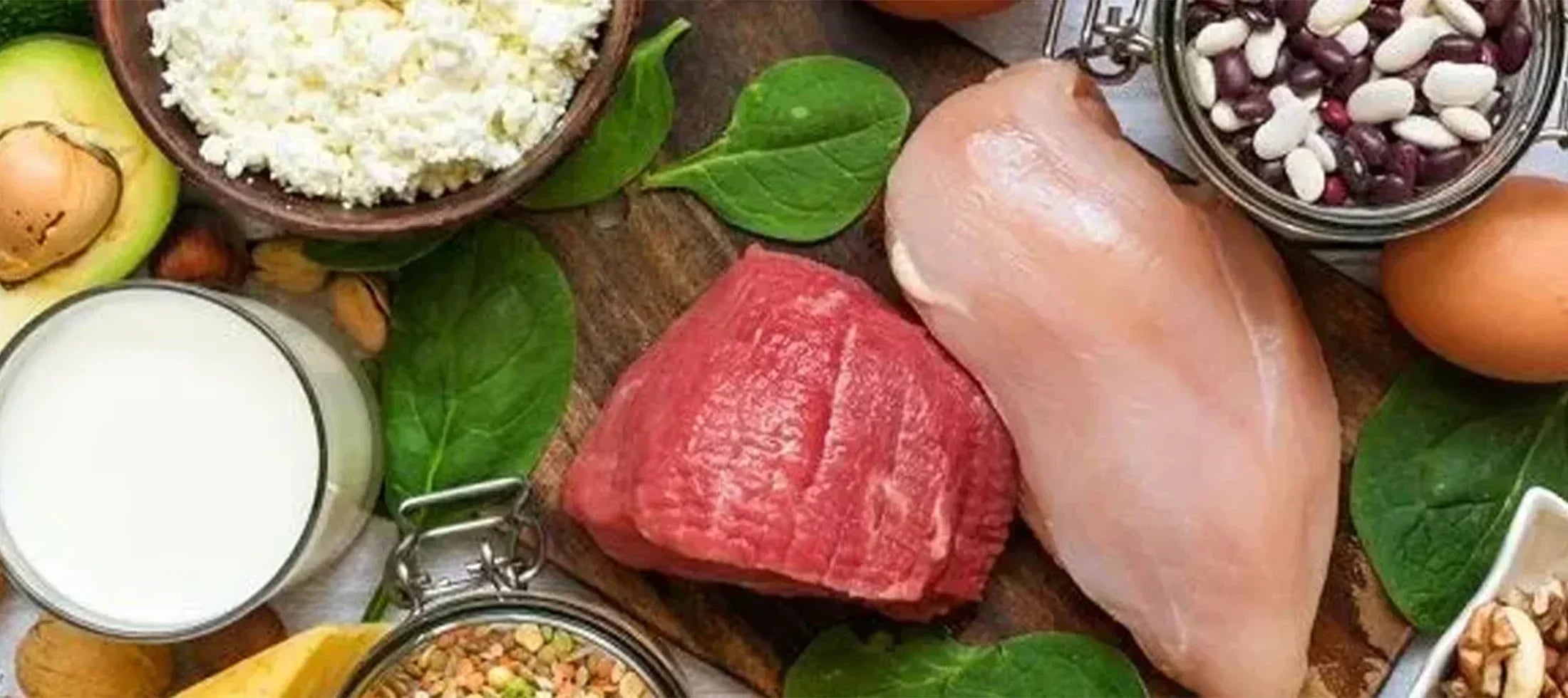
Poultry, meat, and eggs are the finest providers of necessary amino acids.
PLANT SOURCES
Soy products, quinoa, edamame, hemp seeds, tofu brown or white rice, and peas are also great options to increase your total amino acid intake.
ESSENTIAL AMINO ACIDS SUPPLEMENTS YOU CAN TAKE TO MAXIMIZE BENEFITS
Popular essential amino acid-containing supplements like whey protein or BCAA supplements can be taken to maximize benefits and make things easier. Now you might be asking if taking essential amino acids supplements is safe. The short answer is yes! The side effects of using essential amino acid supplements are minimal to nonexistent.
It is advised that you adhere to the appropriate dosages recommended by the manufacturer. Never take more than the recommended dosage. Just make sure you get the high-quality protein that has higher bioavailability and positive reviews.
SUMMARY
As you can see, essential amino acids serve as the building blocks for a variety of crucial functions in your body. Although amino acids are well known for their function in the growth and repair of muscles, your body needs them for much more! Because of this, shortages in critical amino acids can harm every system in your body, including the neurological, reproductive, immunological, and digestive systems. As a result, nourishing your body with essential amino acids through your diet is absolutely needed for optimal health.
FAQs:
What is the best amino acid supplement?
The best amino acid supplement is one that provides all nine essential amino acids in a balanced ratio. These include leucine, isoleucine, and valine, which are critical for muscle growth and repair, along with lysine, methionine, and threonine that support immunity, metabolism, and tissue health. While BCAA supplements are popular, they only supply three amino acids and may not fully meet the body’s needs. Essential amino acid (EAA) supplements are generally considered more effective because they cover the complete spectrum. The best choice depends on individual goals such as muscle building, recovery, or general health. Always check product quality, brand credibility, and third-party testing before use. Consulting a healthcare professional ensures the supplement matches your body’s requirements.
How many essential amino acids per day?
An average adult requires all nine essential amino acids daily to maintain normal body functions. The exact amount depends on body weight, activity level, and overall health, but the World Health Organization (WHO) suggests around 15–20 grams of essential amino acids for an average adult. Athletes or those under physical stress may require more due to higher demands for muscle repair and energy production. Since the body cannot store amino acids like fat or carbohydrates, regular intake from food or supplements is important. Balanced meals with protein sources such as meat, eggs, dairy, legumes, and soy provide the required amounts. Consistency in meeting daily needs helps maintain energy, immunity, and tissue repair.
What are the symptoms of amino acid deficiency?
Amino acid deficiency often shows up as fatigue, muscle weakness, or slow recovery after activity. Since amino acids are the building blocks of proteins, their shortage affects muscle health, immunity, skin repair, and hormone production. Other symptoms include hair loss, brittle nails, mood swings, poor concentration, and frequent infections. In severe cases, it may lead to stunted growth in children or loss of lean body mass in adults. People on restrictive diets, with digestive issues, or suffering from chronic illness are at greater risk. Identifying these signs early and improving diet with protein-rich foods can help correct the deficiency. If symptoms persist, medical evaluation and supplementation may be required.
What amino acids are needed for brain repair?
Amino acids like glutamine, tryptophan, tyrosine, and phenylalanine play vital roles in brain repair and function. Glutamine supports neurotransmitter production and helps protect brain cells, while tryptophan is essential for serotonin synthesis, improving mood and mental balance. Tyrosine and phenylalanine assist in producing dopamine and norepinephrine, which are important for focus, memory, and motivation. Methionine and histidine also contribute by reducing oxidative stress and supporting nervous system health. A balanced intake of these amino acids through protein foods or supplements aids recovery from mental fatigue or stress. Since brain repair is a gradual process, consistent nutrition is key to long-term cognitive health.
How do I check my amino acid levels?
Amino acid levels can be checked through a blood test known as plasma amino acid analysis. This test measures the concentration of individual amino acids in the bloodstream and helps identify deficiencies or imbalances. Healthcare providers may recommend it if you show symptoms like unexplained fatigue, muscle wasting, or developmental issues. In some cases, urine tests are also used to detect abnormal amino acid metabolism. Since these tests require laboratory facilities, they must be ordered and interpreted by a qualified professional. Based on results, a doctor or nutritionist can suggest dietary changes or supplements to restore balance. Regular monitoring may be needed if you have a metabolic disorder or chronic illness.
Share:
Collagen - Types, Functions, Natural Sources, Benefits, Causes & Supplements