


In the realm of wellness practices, the concept of cold plunges has gained significant attention in recent years. A cold plunge is a simple yet transformative practice that involves immersing your body in cold water for a short duration. Let's delve into what cold plunges are, the myriad benefits they offer, and how you can seamlessly incorporate them into your daily life.
What is a Cold Plunge?
How to Incorporate Cold Plunges into Your Daily Life
Incorporating cold plunges into your daily routine may initially appear daunting, but with a systematic approach, it becomes a rewarding and revitalizing practice.
- Start Gradually: If you're new to cold plunges, initiate the process with shorter exposures and progressively extend the duration over time. This approach allows your body to adapt to the cold, minimizing the initial shock.
- Timing Matters: Consider integrating cold plunges into your morning routine. The brisk cold water can jolt you awake, infuse you with energy, and set a positive tone for the day ahead.
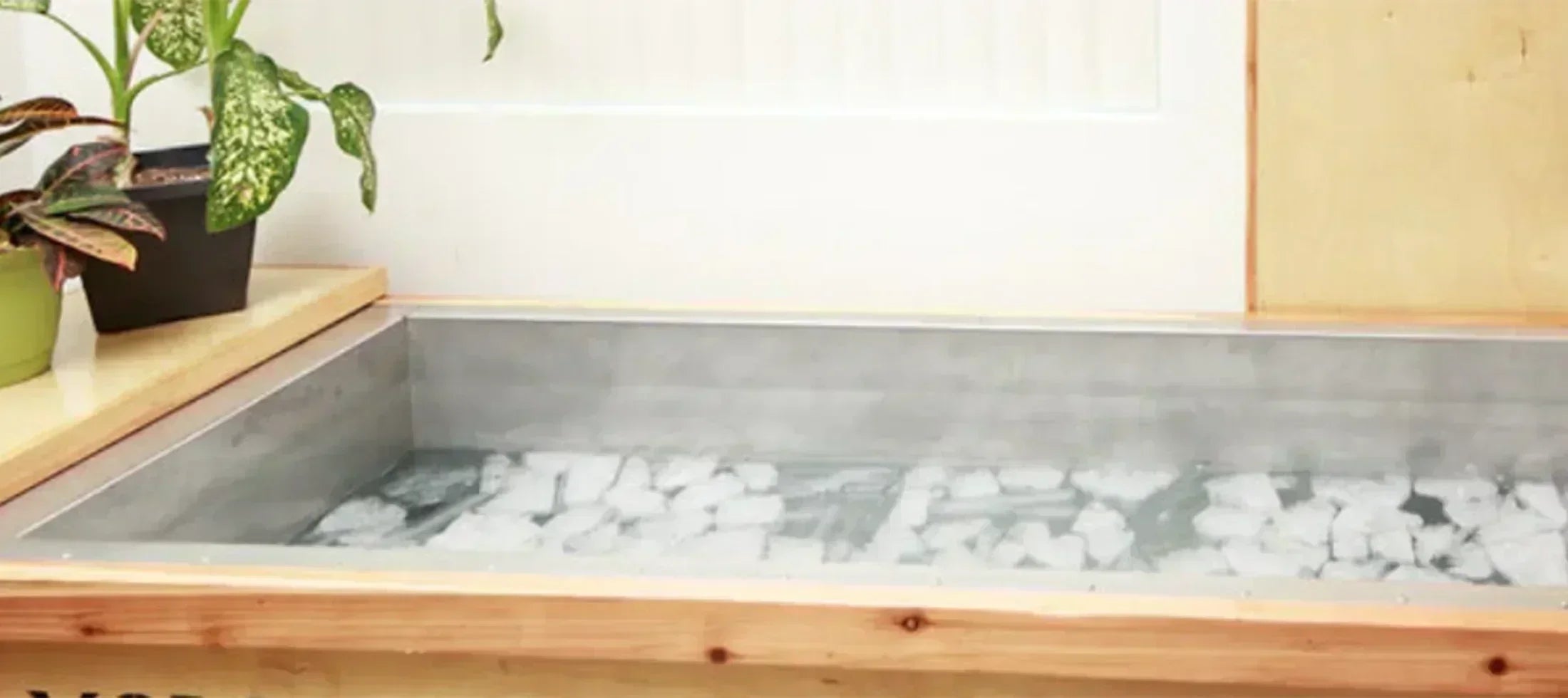
- Create a Comfortable Environment: If you don't have access to natural cold water sources, invest in a dedicated cold plunge tub or ice bath. Ensure the environment is safe and comfortable, featuring non-slip surfaces and easy access to warm clothing for after the plunge.
- Pair with Complementary Practices: Combine cold plunges with other wellness practices like meditation or deep breathing exercises. This synergy can amplify the benefits, allowing you to achieve a state of mental and physical equilibrium.
- Stay Consistent: Like any wellness regimen, consistency is pivotal. Strive to incorporate cold plunges into your daily routine, even if it entails only a few minutes each day. Over time, the cumulative advantages will become evident in your overall well-being.
Conclusion
Cold plunges are quite simple. You sit in cold water for a few minutes but the effects go further than that. Muscles calm down, soreness fades, and the mind feels sharper. You don’t really need an expensive ice bath setup either, a tub, a shower, or even a natural cold stream can work. The main thing is to start small, keep at it, and let your body get used to the shock. Over time the results stack up and that’s when people really notice the difference, especially when paired with the best exercises at home for recovery and strength.
FAQs:
How often should I do a cold plunge?
Two or three times a week works for most people. Later, once you’re used to it, you can do more if you want. But the body needs time to adjust. If you try every single day right away, it feels too much and most people stop. Better to keep it steady than push too hard too fast.
How long should I stay in a cold plunge?
Start with half a minute, maybe a minute. Then work up slowly, most people stay 2–5 minutes. Staying longer doesn’t give extra results, it just raises the risk. The point is to get the effect, not freeze yourself. If you start to feel dizzy or numb, that’s your cue to get out.
Is it safe to do cold plunges every day?
Yeah, for most healthy people it’s safe enough. Daily plunges are fine if you keep them short and pay attention to how your body feels. But if you’ve got heart issues or other health problems, you should check with a doctor before turning it into a daily thing. Cold water looks simple but it’s a big shock to the system.
Can cold plunges help with muscle recovery?
Yes, that’s one of the main reasons athletes use them. The cold brings swelling down, soreness doesn’t feel as heavy, and recovery feels quicker. It doesn’t replace sleep or good food, but it makes the process smoother. A lot of athletes jump in right after hard training because it works.
How do cold plunges improve mental clarity and mood?
Cold water shocks our body’s system, makes us breathe deeper, and clears brain fog instantly as it leaves you in a state of shock.. You feel alert, awake, sharper. Endorphins kick in, so the mood goes up right after. Many people say they feel like a new person when they step out, like it resets their head for the rest of the day.
Can cold plunges strengthen the immune system?
Yes, regular exposure to cold stress trains the body to adapt. Over time it makes you more resilient, less likely to catch small colds or seasonal sickness. It’s not magic and it won’t stop everything, but people who keep at it often notice they get sick less often than before.
Share:
8 Health Tips For Every Woman
Best Apps for Fitness and Calorie Tracking