

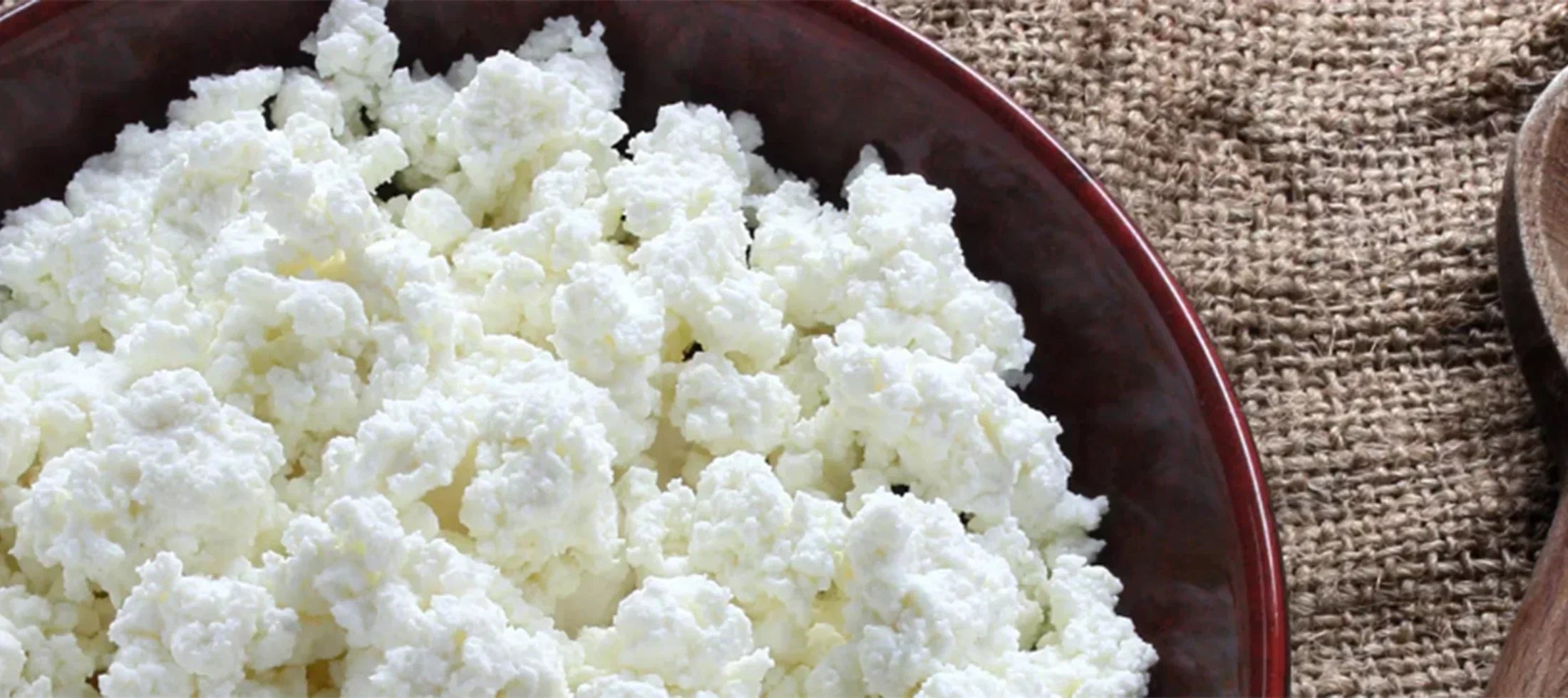
Cottage cheese is a dairy item that is used as a delicious snack. This dairy product is a type of cheese which is made from the curds of cow's milk which is famous for its rich texture and high protein content. It is made by coagulating milk and depleting the fluid part, abandoning the curds. The wholesome substance of curds can fluctuate contingent upon the degree of milk fat utilized and how much sodium is added. In taste, it is slightly tangy and its texture comprises a creamy, lumpy texture.
A Protein Power House
It is a well-known and popular type of cheese in the world. In the Western world, in the Asian world or cuisine, it is confused with paneer which is slightly different from cottage cheese, in terms of its texture, preparation, and culinary uses.
Cottage cheese is a famous type of cheese and is considered essential to be kept in your fridge. As it has all the necessary elements. It is a good source of protein, calcium, and other important nutrients. Apart from being nutrient-full, it is flavorful and versatile which means it can be used in different foods or as a separate snack. Comparing it with other cheese, you’ll know that it provides the same nutrients as them but it is low in calories. Thus, making it best for people who are health conscious.
Types of Cottage Cheese
Cottage cheese comes in several varieties. You can find it in different fat contents (full-fat, low-fat, or fat-free) and curd sizes (small curd or large curd). It’s also available as whipped for a creamier texture. Some brands make reduced-sodium or sodium-free versions, which are good for lowering salt intake.
There are even lactose-free cottage cheeses for sensitive stomachs. In cooking, cottage cheese can be used in sweet or savory dishes, from topping salads and toast to blending into smoothies or baking in pancakes, making it an easy way to boost nutrition in many meals.
Nutritional Profile of Cottage Cheese
A closer look at its nutrition: a ½-cup (113 g) of 1% fat cottage cheese typically has:
-
Calories: ~81 kcal
-
Protein: 14 g (the majority of its calories)
-
Carbohydrates: ~3 g (mostly lactose)
-
Fat: ~1 g
-
Vitamins & Minerals: Provides about 29% DV of vitamin B12, ~19% DV selenium, ~21% DV phosphorus, ~5–6% DV calcium, plus smaller amounts of riboflavin and folate. It also contains about 20% DV of sodium, so low-sodium varieties can be a healthier choice for blood pressure.
Cottage cheese is very protein-rich while remaining relatively low in calories and carbs, making it ideal for a balanced diet.
Cottage Cheese for Weight Loss and Muscle Building
- Lean, Filling Protein: The high protein content (mostly casein protein) makes cottage cheese very filling. Casein digests slowly, keeping you satisfied longer and helping control appetite. This promotes reduced overall calorie intake. In fact, diets that include cottage cheese often show greater weight loss.
- Muscle Maintenance: Cottage cheese is popular with athletes because it helps build and repair muscle. Casein provides a steady release of amino acids overnight, preventing muscle breakdown during sleep. Eating cottage cheese before bed is a common tip for bodybuilders to support overnight muscle recovery. In total, one cup of low-fat cottage cheese delivers around 24 grams of high-quality protein, making it one of the best muscle-building dairy foods.
Health Benefits of Cottage Cheese
Beyond muscle and weight goals, cottage cheese offers general health benefits:
-
Satiety and Weight Management: Its high protein content keeps you full, which can lead to eating less overall. Studies link dairy protein (including cottage cheese) and calcium intake to better weight loss outcomes on calorie-restricted diets.
-
Bone and Metabolism Support: It contains calcium and phosphorus, nutrients important for bone strength. It’s also a good source of B vitamins (especially B12) and selenium, which are involved in energy metabolism and antioxidant protection. A serving provides nearly 20% of the daily selenium requirement.
-
Blood Sugar Control: As a high-protein, low-glycemic food, cottage cheese helps stabilize blood sugar, which is useful for diabetes management and overall energy levels. Some research suggests dairy proteins may improve insulin sensitivity.
-
Digestive Ease: For those who can tolerate dairy, cottage cheese is easier to digest than aged cheeses because it is fresh (unripened). Lactose-intolerant individuals can often find low-lactose or lactose-free cottage cheese options.
Conclusion
Cottage cheese truly earns its reputation as a protein fix. It’s nutrient-packed yet low in calories: high-quality casein protein, B vitamins, calcium, selenium, and more. Because of its protein and creamy texture, it helps you feel full and can protect muscle mass. Incorporating cottage cheese into your diet, as a snack or in recipes, supports weight loss, muscle building, and overall health. Cottage cheese is highly nutritious and one of the most beneficial foods you can eat if you want to lose weight or build muscle.
FAQs
What nutrients are in cottage cheese?
Cottage cheese is a nutrient-dense food. A ½-cup serving of low-fat cottage cheese provides about 14g of high-quality protein, and it’s rich in B vitamins (like B12 and riboflavin) and minerals like calcium, phosphorus, and selenium. It’s relatively low in carbohydrates and fat, making it popular for health-conscious diets.
Can cottage cheese help with weight loss?
Yes. Cottage cheese is high in protein and low in calories, which promotes fullness and reduces total calorie intake. Studies show that diets including cottage cheese (rich in casein protein) can lead to moderate weight loss. Its calcium and other nutrients may further enhance fat loss on a calorie-restricted diet.
Is it good for building muscle?
Yes. Cottage cheese is excellent for building muscle because it’s packed with complete protein and nutrients. About 80% of its protein is casein, a slow-digesting protein that provides a sustained amino acid supply. Consuming cottage cheese (often before bed) can support muscle repair and growth when combined with regular resistance training.
How can I add cottage cheese to meals?
Cottage cheese is versatile. For example, mix it into pancake or waffle batter, stir it into smoothies with fruit, or use it as a creamy salad topping for extra protein. It also works as a substitute for sour cream or mayo in recipes, can be spread on toast, or blended into sauces and dips.
Can people who are lactose intolerant eat cottage cheese?
Cottage cheese is a fresh dairy product and contains lactose. People with lactose intolerance may experience digestive issues from it. Some individuals can tolerate small amounts (about 3.2g of lactose per 100g), while others choose lactose-free or low-lactose varieties. Sensitive individuals should start with small servings to test tolerance.
Share:
The Green Goodness: Enjoining a Green Salad’s Freshness
Exploring the Benefits of Eid ul Azha Delights: Kaleji