

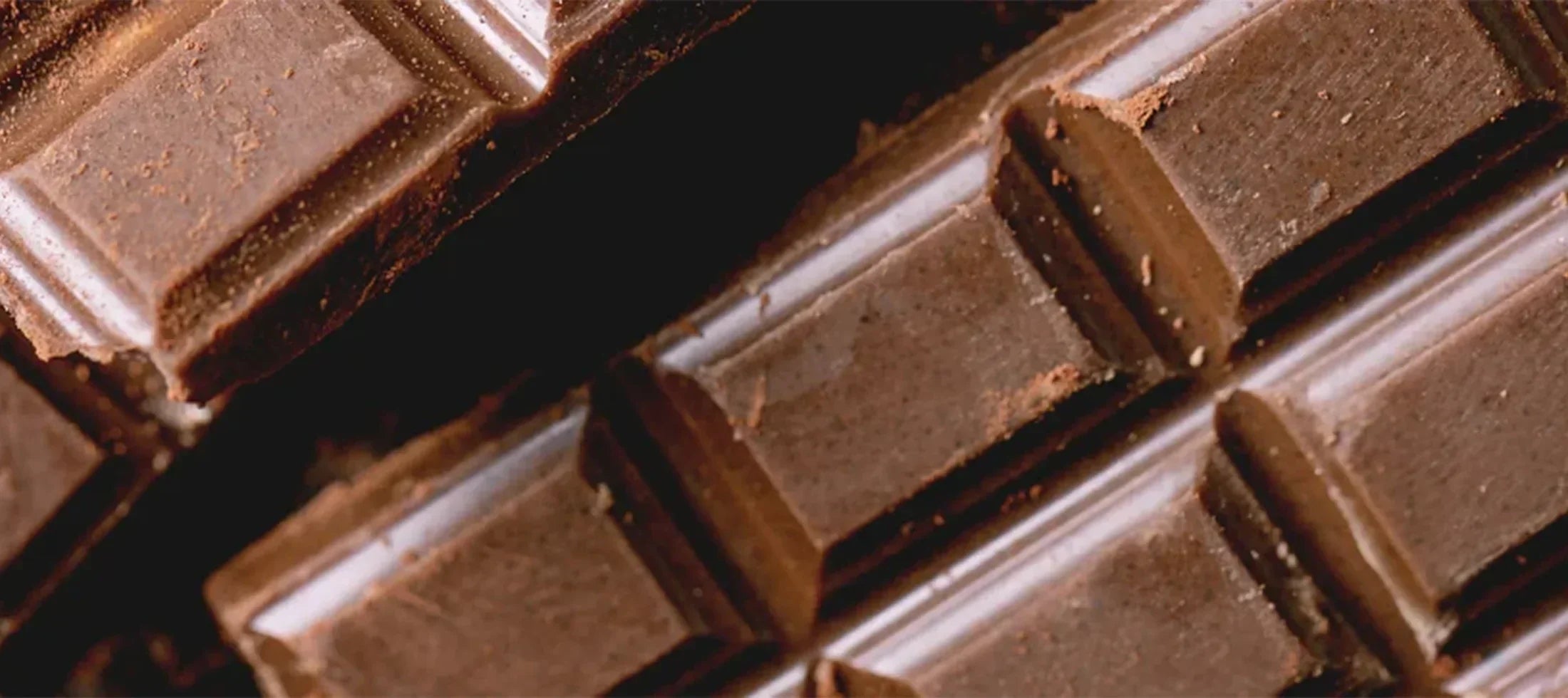
Did you know that dark chocolate may boost your workout and brain performance? Chocolate lovers truly dip into this bitter indulgence. The fact, it has high levels of antioxidants and nutrients, is heralded as the perfect thing to incorporate into your healthy diet.
The right percentage of Dark Chocolate to Consume
There are plenty of benefits of flavonoids that exist in dark chocolate. Research has proven it to be anti-inflammatory, brain function aiding, and anticancer, and it has qualities that are cardio-protective and neuroprotective. All these benefits can be achieved if a person consumes it in moderation. Dark chocolate is not just delicious but also good for health, contrary to popular belief.
Side Effects of Dark Chocolate
Like all foods, just like they have health benefits, they have side effects too. Now the takeback here is that dark chocolate has caffeine present in it. Due to this factor, it can cause palpitations as the cocoa present in dark chocolate can increase the pulse rate and blood pressure if it is consumed in a large quantity. Along with this, one must also keep in mind the dangers of too much sugar, as overconsumption can further contribute to health concerns. If a woman is breastfeeding, they have to be careful of their dark chocolate consumption as the caffeine in it can transfer from the mother to the baby, resulting in insomnia, rashes, and restlessness.
Number Of Calories
There are 505 calories in 100 grams of dark chocolate. If you were to consume 155 calories then that equalizes to 20 mins of cycling. The hack to a healthy diet is to integrate a little bit of everything in moderation.
How it Helps the Heart
Several heart patients avoid consuming foods like chocolate but the truth is, in moderation, it can be good for you. Keeping in mind that dark chocolate contains 50-90% cocoa solids, it is rich in plant chemicals called flavanols. These flavanols assist in the development of nitric oxide, which calms blood vessels and improves blood flow. As I mentioned before, it is an antioxidant that fights disease, lowers blood pressure, and brings down the risk of heart disease.
Nutrition in Dark Chocolate
Dark chocolate serves as a rich source of various minerals, including iron, zinc, magnesium, flavonols, copper, and phosphorus. With these essential elements, it becomes a heart-protective option. Flavanols, in particular, enhance insulin sensitivity, reducing the risk of diabetes. Moreover, cocoa flavanols contribute to improved blood flow to the brain by increasing nitric oxide levels, causing blood vessels to relax and dilate.
Skin Benefits
Lastly, I would like to mention the benefits it has on the skin and hair. Firstly, the antioxidants present in it, slow down the process of aging by reducing pigmentation. Secondly, it helps heal the skin and prevents sun damage. Besides all these benefits the magnesium in it helps the body fight off stress. The flavonoids in dark chocolate have hydrating effects. Their anti-inflammatory properties help reduce inflammation that eventually protects the skin from psoriasis and eczema. All in all, it keeps you active and youthful.
Conclusion
Dark chocolate is not a sweet you grab without thinking. It carries weight. Flavanols for the heart. Antioxidants for the skin. Minerals for stress and energy. Even the brain feels sharper after a few squares.
But there is a line. Calories are high. Caffeine is real. Too much and it pushes blood pressure up, wrecks sleep, or adds weight you do not want. The balance is small servings, not whole bars. Two or three squares of 70% or higher. That’s enough.
This is why dark chocolate is different. It is taste and health in one bite. Not fake claims, not empty sugar. It is a food that can back itself with results when eaten right. That is the truth behind it.
FAQs
How much dark chocolate should you eat daily?
Around 20–30 grams. That equals two or three small pieces. Enough to get the flavanols and minerals. More than that adds sugar and caffeine without extra benefit. Keep it small, keep it steady.
Does dark chocolate help with weight loss?
Not directly. It will not cut fat. But it helps control cravings. The bitter taste slows down the urge for sweets. It also makes you feel full faster. That helps you eat less overall.
Is dark chocolate good for heart health?
Yes. Flavanols in cocoa widen blood vessels. That lowers pressure and improves blood flow. Over time it supports heart strength and lowers disease risk. Small amounts work, big amounts do not.
Is dark chocolate safe for diabetics?
If it is high cocoa and eaten in limits. Less sugar, more antioxidants. That makes it safer than milk chocolate. It may even improve insulin response. But it is still carbs. Always clear it with a doctor before eating daily.
Is dark chocolate better than milk chocolate?
Yes. Milk chocolate is mostly sugar and fat. Dark chocolate is cocoa-heavy, full of antioxidants and minerals. That is why it gives health benefits while milk chocolate does not.
Does dark chocolate have antioxidants?
A lot. Cocoa is one of the top natural sources of flavonoids. They fight free radicals, reduce inflammation, and slow aging. They protect the brain, the heart, and even the skin. That is the edge dark chocolate has.
Share:
Potatoes' Nutrition and Caloric Value
Strengthen Your Bones with These Calcium Foods