

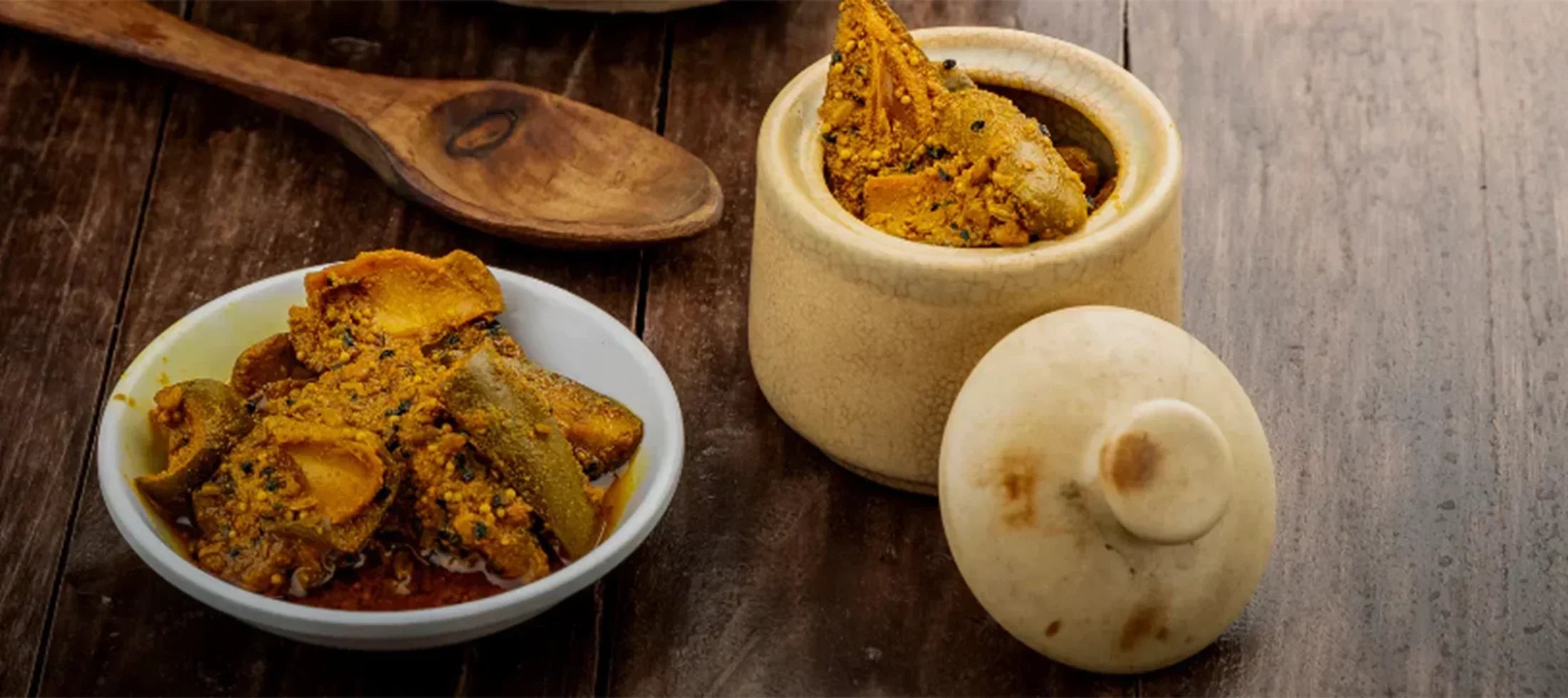
Do you know what's the absolute must-have for a delicious burger or sandwich? Those tangy, mouthwatering pickles! They add a beautiful blend of sweet, salty, sour, and hot flavors that elevate any dish to another level. But hold on, are you curious about whether pickles have any health benefits? Well, wonder no more, because this article has all the answers to your pickle queries!
What are pickles? Fermented Vs the Quick Pickles?
Packed with a plethora of essential vitamins and minerals, these tangy treats have a long and storied history. Originating in the Indian subcontinent, the art of pickling fruits and vegetables quickly spread to captivate taste buds worldwide. One of the most devoured pickle dishes is “Pickled eggs”, where boiled eggs are pickled and served in bars.
The method of pickling greatly influences their health. There are two main types: Fermented pickles and Non-Fermented (quick) pickles. Non-Fermented pickles are made by placing cucumbers in an acidic brine to achieve a sour taste. On the other hand, Fermented pickles are prepared by packing cucumbers in airtight jars with a brine of salt and water. Among the two, fermented pickles offer superior health benefits compared to other types.
The Nutritional Profile of Pickles:
Dill cucumber pickles are a popular choice for their nutritional benefits. Dill pickles are low in carbohydrates (8 g) and fats (0.7 g), with just 0.4 g of fiber. One large dill pickle (44.6 g) contains the following nutrients:
- Abundant in sodium (326 mg) and potassium (46.2 mg).
- Contains 21.8 mg of calcium, making it the third most prominent mineral.
- Provides phosphorus (46 mg) and magnesium (2.87 mg).
- Trace elements like zinc, copper, manganese, and iron are also present.
Considering vitamins value, a single serving of pickle offers
- 848 micrograms of vitamin C, 81 micrograms of pantothenic acid (vitamin B5), 44 micrograms of niacin (vitamin B3), 18.2 micrograms of beta-carotene, 6.87 micrograms of vitamin K, 48 micrograms of vitamin E, and 1.68 micrograms of vitamin A.
Do pickles hold any health benefits?
Pickles can be healthy for you in several ways, so we picked some of its major health benefits for you to look into:
- Aids digestion: Fermented pickles contain probiotics that promote gut health.
- Fights diseases: Cucumbers' high beta-carotene content turns into vitamin A, reducing the risk of heart disease, stroke, cancer, and respiratory issues.
- Eases muscle cramps: Pickle juice's electrolytes may help alleviate muscle cramps, though the evidence is limited.
- Regulates blood sugar: The vinegar in pickle juice can help maintain stable blood sugar levels, benefiting those at risk of diabetes.
- Promotes weight loss: Cucumber pickles are low in calories, high in water content, and contain vinegar, which curbs appetite, slows carb absorption, stabilizes energy levels, and reduces hunger triggers.
Bottom Line:
If you choose to indulge in pickles, be mindful of your overall meal. Adding protein can make this low-calorie food more satisfying. However, remember to monitor your salt intake for the rest of the day. Pickles add great flavor to various dishes, but don't overdo it. As with any food, moderation is essential for a balanced approach.
FAQs:
Is eating pickles good for your health?
Yes, eating pickles in moderation can be good for your health. Pickles are rich in probiotics, which support digestion and gut health, especially when they are fermented naturally. They also provide antioxidants, small amounts of vitamins, and electrolytes like sodium and potassium that help with hydration. However, store-bought pickles are often high in salt and preservatives, so eating them excessively can raise blood pressure and harm heart health. The key is choosing homemade or naturally fermented pickles and consuming them in controlled amounts.
How many pickles can I eat per day?
You can safely eat 1 to 2 small servings of pickles per day. This amount provides the benefits of probiotics and flavor without going overboard on salt. Eating more than this regularly may load your body with excess sodium, leading to water retention, bloating, and possible blood pressure spikes. If you are active and sweat a lot, your body may tolerate slightly more due to electrolyte loss, but people with hypertension or kidney issues should be extra careful. Listening to your body and balancing pickle intake with fresh fruits and vegetables is the healthiest approach.
What are the disadvantages of eating Achar?
The main disadvantage of eating achar is its high salt and oil content. Excess salt increases the risk of hypertension and bloating, while too much oil can contribute to unhealthy weight gain and poor cholesterol levels. Many commercial achar varieties also contain preservatives and artificial flavorings, which may affect gut health and overall wellness. Overeating achar can irritate the stomach lining, leading to acidity or indigestion. While a small portion can add taste to meals, making it a daily staple in large amounts can harm long-term health.
Is achaar good for health?
Achaar can be good for health when eaten in small amounts and prepared in a hygienic, traditional way. Homemade achaar made with natural fermentation contains beneficial probiotics that support digestion and immunity. It also contains spices like turmeric, ginger, and fenugreek, which have anti-inflammatory and antioxidant properties. However, achar is not meant to be a main food but rather a side item to enhance meals. Its health value depends on portion control and ingredients—homemade or low-salt options are much healthier compared to heavily processed, store-bought varieties.
Can I eat pickles on an empty stomach?
Eating pickles on an empty stomach is not recommended. The strong spices, vinegar, and high salt content can irritate the stomach lining, causing acidity, bloating, or discomfort. For people with acid reflux or gastric issues, this risk is even higher. Pickles are best eaten in small portions with meals, where other foods can balance their sharp flavors and acidity. If you enjoy pickles, pairing them with rice, roti, or salads is much safer and healthier than eating them alone first thing in the morning.
Share:
Embrace the Power of Physical Activity: Your Pathway to Optimal Health
The Importance of Hiking