

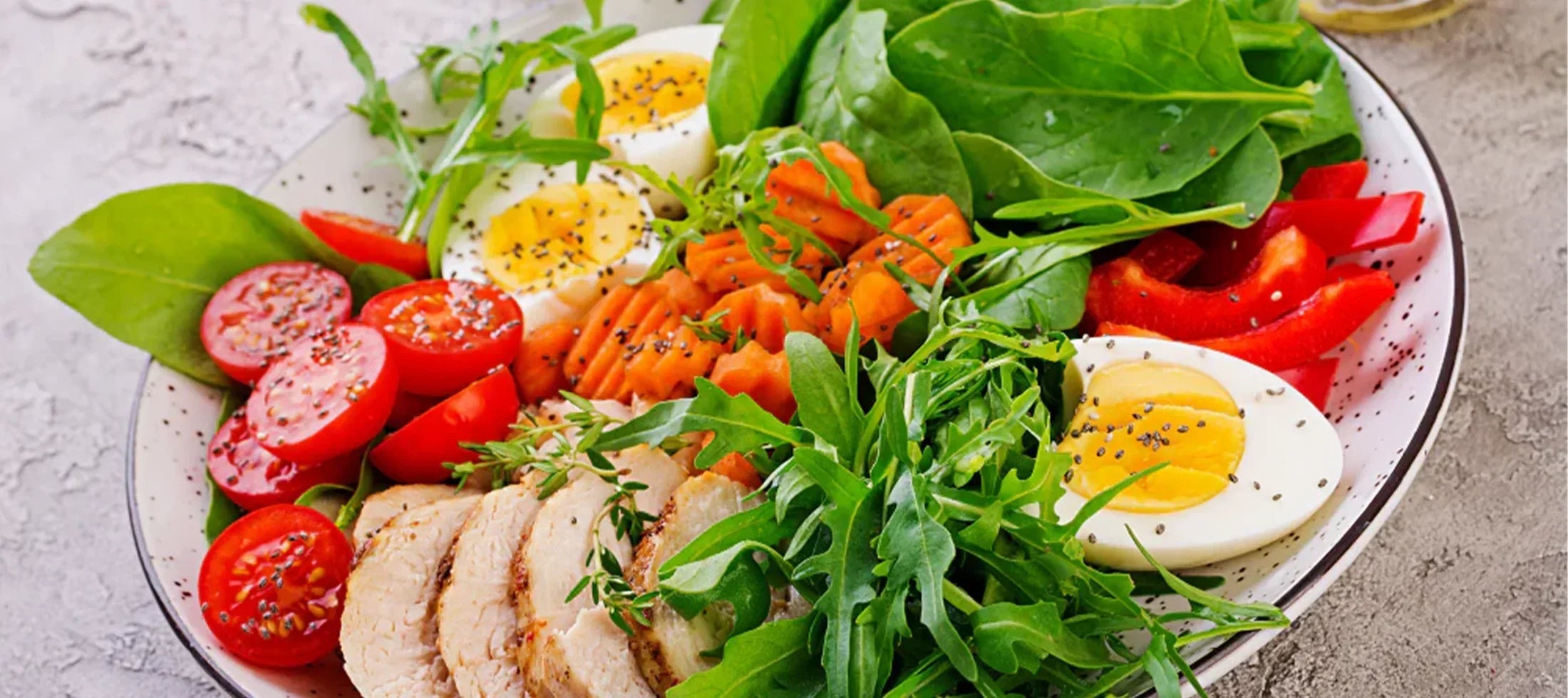

Introduction to Keto Diet
The keto diet been around for a while now but still, most people don’t really get what they should be eating. It’s kinda simple though, you just go low on carbs, eat more fats, and keep some protein going. That’s what makes your body go into that fat-burning thing called ketosis. Some people also use a supplement for fat burn to give their metabolism an extra boost while following keto.
Ketosis is a state where it burns fat instead of carbs for fuel. That’s how it helps with weight loss and steady energy.
But the thing is, picking the right foods matters more than you think. Some food items look keto-friendly but aren’t. Others you might think are off-limits actually work fine.
Once you figure that part, the rest gets easier. You’ll be cooking differently, eating different, even thinking differently about food. It takes some time though, not everyone gets it right from start.
How the Keto Diet Works
The keto diet changes how your body makes energy. Normally, your body uses glucose that comes from carbs. But when carbs are low, your body starts breaking down fat. That fat turns into something called ketones. Then your body uses those ketones as fuel. Some people also incorporate fat burning supplements to support this process, though the diet itself does most of the work.
It takes a few days for this switch to happen. During that time, you may feel low on energy or even cranky. That’s normal. Once your body adjusts, energy levels go up again and hunger gets better controlled. The main goal is to keep carbs low enough to stay in ketosis; that’s where fat burning happens.
Foods like meat, eggs, cheese, and low-carb vegetables help you stay there. Anything sugary, starchy, or processed can break it.
Foods to Avoid on a Keto Diet
When you’re starting keto, this part confuses most people. Some things sound healthy but they still raise your carbs. You don’t have to remember every number, just the main groups.
-
Grains and starches: All bread, rice, pasta, corn, and cereals. Even brown rice and oats are too high in carbs. These things can kick you out of ketosis quickly.
-
Sugary foods: Anything with sugar. Cakes, cookies, candies, juices, and sodas. Even “healthy” honey or maple syrup but they’re still sugar.
-
High-carb fruits: Most fruits are high in natural sugar. Bananas, mangoes, apples, grapes — these are not keto-friendly. Only berries work in small amounts.
-
Starchy vegetables: Potatoes, beets, sweet potatoes, corn, and peas. They seem harmless but the carb count is high.
-
Processed foods: Chips, fries, bakery items, and fast food. Not only are they high in carbs but also full of bad oils that make you feel sluggish.
-
Milk and sweetened dairy: Whole milk and flavored yogurts are heavy on sugar. Go for low-carb options like Greek yogurt or unsweetened almond milk instead.
So the main rule? If it’s sweet, starchy, or packed from a box, then you are advised to just skip it.
Keto Diet foods
- Meat: All the cuts and forms of meat are very low in carbs so there are no restrictions in this group. But for your well-being, you must choose a healthier option. The meats include all cuts of beef and mutton. Chicken and seafood are relatively lower in saturated fats and high in other beneficial nutrients. All the members of this food group are keto-friendly.
- Eggs: The eggs again are very low in carbs and contain mainly fats and protein. Although the recipe of the omelettes varies and may include some non-keto-friendly options. But we will make the choice of ingredients easier.
-
Dairy: One has to be careful while choosing dairy products while being on a keto diet as they contain a good amount of carbohydrates. There are some varieties of yogurt and cheese in which the carbohydrate ratio is lower than the normal dairy. These varieties include.
- Mozzarella cheese
- Cheddar cheese
- Greek yogurt
- Blue cheese
- Cottage cheese
- Cream half-and-half
- Unsweetened plant-based milk (soy milk, almond milk, coconut milk, etc.)

- Vegetables: All the vegetables with a few exceptions are keto-friendly. Vegetables mainly contain fiber water, vitamin, and minerals with very few carbs. The prohibited vegetable for the keto diet is
-
- Potato
- Beets
- Sweet potato
- Yams
- Corn
- Some varieties of squashes
- Nuts: Nuts are another healthy option that contains very few carbs besides having enough fats and protein. These are rich in unsaturated fats. The nuts and seeds are a healthy snacking option while being on a ketogenic diet when you’re prohibited to take popcorn or chips. The members of this family that you may include in your diet are,
-
- Almonds
- Pecan nuts
- Flax seeds
- Chia seeds
- Pumpkin seeds
- Berries: The berries are the only fruit that you may take for the sake of it. They are a rich source of b-vitamins, and vitamin C and are packed with many nutraceutical compounds. Berries will provide you with many health benefits if you add some to your breakfast and will lessen the risk associated with a high-fat diet.
Conclusion
The keto diet is effective when done right. It’s not about starving or cutting all food groups. It’s about eating smarter. More fats, moderate protein, fewer carbs. That balance keeps your body burning fat and gives cleaner energy.
Once you understand what to eat and what to avoid, it’s gonna become so much easier to follow. Always listen to your body and stay hydrated. You can be adding vegetables for fiber, healthy fats for energy, and good protein for muscle.
When the balance of your nutrition will stay right, keto works smoothly without feeling like a strict diet.
FAQs
Can I eat fruits on a keto diet?
Not most of them. Fruits like bananas, apples, and grapes are too high in sugar. Berries are the only ones you can take in small amounts because they have fewer carbs.
Are dairy products allowed in keto?
Yes, but only certain ones. Go for Greek yogurt, cheese, butter, or unsweetened almond milk. Avoid flavored or sweetened dairy since they add sugar.
Can I have cheat meals on a keto diet?
You can, but it slows your progress. One cheat meal can take your body out of ketosis and it’ll take days to get back. If you want results faster, stay consistent.
Is keto diet suitable for vegetarians?
Yes. You can still eat eggs, cheese, nuts, seeds, and low-carb veggies. Replace meat with tofu or paneer for protein and use coconut oil or olive oil for fat.
How much protein should I eat on keto?
Keep it moderate. Too much protein can stop ketosis, too little can cause weakness. Around 20–25% of your calories from protein usually works for most people.
Share:
The Bitter Benefits of Bitter Gourd (Karela)
Protein On-The-Go: The Mighty Protein Bar