

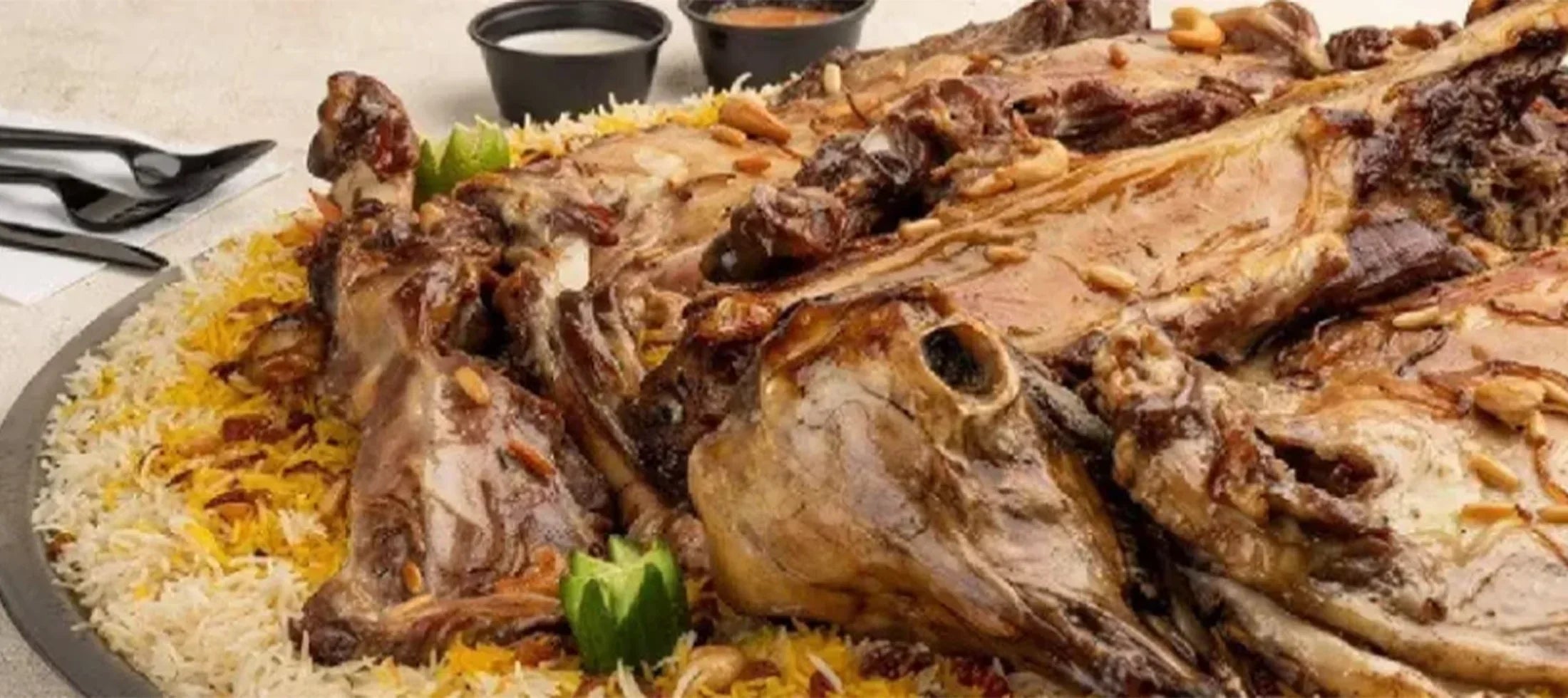
There is something truly magical about the process of slow cooking. The tenderizing of meat, the slow infusion of flavors, and the interblend of spices and herbs create a symphony of taste that can transport you to culinary heaven. One such slow-cooked wonder is dum pukht. An unmatched appetizing dish in the world of subcontinental cuisine.
Dum pukht is a traditional cooking method that has its roots in the kitchen of the Mughal Emperor. It translates to "air-sealed" or "steam-cooked". Dumpukht is characterized by the use of a handi, or heavy, round-bottomed pot.
One of the most popular dishes is Dum Pukht Biryani. It consists of layers of meat such as lamb, beef, or chicken, quality rice, vegetables, and spices. The bottom layer is meat marinated with yogurt, spices, and herbs, which help to tenderize and infuse flavor into the dish, followed by rice and vegetables.
The pot is then sealed with a dough made of water and flour, trapping the steam and flavors inside. The pot is set over a low flame and cooked slowly for several hours, allowing the ingredients to cook in their fat, juices, and seasonings.

Nutritional Breakdown
The nutritional breakdown can vary depending on the ingredients and the specific cuts of meat. But the general breakdown of the nutritional aspects of a typical dumpukht dish is that it contains around 200-220 calories per serving (0.6 cup) with 32 grams of carbs. It has 8 grams of fat and 5 grams of protein.
Perks of slow-cooking dum pukht delight
Enjoy the heavenly taste of Dumpukht along with the several benefits this dish offers.
Slow cooking increases the bioavailability of nutrients present in plant foods like vegetables whereas high heat kills their nutritional value. So the sealed pot and low heat ensure that the vitamins and minerals of the added vegetables are retained in the pot and that the food remains both delicious and nutritious.
The slow cooking process enhances the flavor and preserves the nutritional value of the meat as well. The slow cooking process helps to store amino acids and retain essential nutrients such as gelatine and minerals like calcium, potassium, iron, and magnesium. Minerals are important for building strong bones and teeth whereas gelatine strengthens connective tissues and maintains healthy joints by increasing the density of cartilage.
Dumpukht requires minimal oil or ghee because of the slow cooking method as it cooks in its own steam. This can be beneficial for those who are conscious of their fat intake or follow a healthier diet.
Historical Origins of Dum Pukht Cooking:
Dum Pukht originated during the Mughal era and is known for its royal and aromatic flavors. The technique first took shape in the royal kitchens of Emperor Awadh Nawab Asaf ud Daula in Lucknow during the late 18th century. It was born out of necessity when food was slow-cooked in sealed pots to feed thousands of famine-stricken people. The aroma and taste that emerged from those sealed pots fascinated the chefs, giving birth to Dum Pukht cuisine. Over time, it became a symbol of elegance and patience in South Asian culinary traditions.
Dum Pukht in Modern Kitchens:
Dum Pukht has gracefully evolved into modern kitchens while keeping its traditional charm alive. Today, home cooks and chefs across South Asia and the Middle East use ovens, pressure cookers, or even electric slow cookers to recreate the same magic. Restaurants still prefer clay pots or metal handis for authentic texture and flavor. What was once royal cuisine is now accessible to anyone with patience and love for detailed cooking. The method remains a reminder that true taste takes time.
Conclusion:
Dum Pukht stands as a living tradition that connects history, culture, and flavor in one pot. It reminds us that food is more than fuel as it is an experience shaped by time, technique, and passion. The slow cooking method captures the soul of ingredients, creating harmony in every bite. Whether enjoyed in a royal feast or a simple family dinner, Dum Pukht continues to define the art of slow cooking in the subcontinent. Its legacy lives through the patience and care it inspires in every kitchen.
FAQs
Why is Dum Pukht considered unique in subcontinental cuisine?
Dum Pukht is unique because it uses sealed slow cooking to trap steam and flavor. The dish cooks in its own juices and fat which deepens the aroma and texture of the food. This technique preserves nutrients and produces a rich, tender meal unmatched by other methods. The use of natural ingredients, minimal oil, and gentle heat gives it both depth and delicacy. Its royal origin and authentic preparation make it stand apart in South Asian cuisine.
What are the most famous Dum Pukht dishes?
Some of the most famous Dum Pukht dishes include Dum Pukht Biryani, Dum Ka Murgh, and Dum Gosht. Dum Pukht Biryani remains the crown jewel, combining layers of marinated meat, basmati rice, and aromatic spices. Dum Ka Murgh is a chicken-based version known for its creamy richness and smoky notes. Dum Gosht highlights the tenderness of slow cooked mutton infused with herbs and saffron. Each dish reflects the artistry and precision of royal-era cooking.
What is the difference between Dum Pukht and normal cooking?
Dum Pukht differs from normal cooking because it seals ingredients in a pot to cook slowly in steam. In regular cooking, food is exposed to air and high heat which can dry it out or burn the spices. In Dum Pukht, low heat and trapped moisture preserve flavor, texture, and nutrients. The dish cooks evenly without constant stirring or added fat. This slow process gives Dum Pukht its signature softness and fragrance that regular cooking cannot match.
Is Dum Pukht food healthy?
Yes, Dum Pukht food is considered healthy due to its low oil content and nutrient retention. The sealed pot locks in vitamins and minerals from vegetables and meat. It uses steam instead of frying, reducing unnecessary fat while maintaining natural taste. The collagen and minerals released during slow cooking support bone and joint health. As a result, it offers both flavor and nourishment in a single dish.
Can Dum Pukht be tried at home easily?
Yes, Dum Pukht can be recreated at home with a few simple adjustments. You can use a heavy-bottomed pot with a tight lid or seal the rim with dough to trap steam. The key is to maintain very low heat and allow time for the flavors to blend slowly. Modern cooks also use ovens or slow cookers to simplify the process without losing authenticity. With patience and quality ingredients, anyone can enjoy the royal taste of Dum Pukht in their kitchen.
Share:
The Tasteful and Healthy Balochi Sajji
I Scream for Ice-Cream: A Cool Journey Through the World’s Favorite Dessert